The demand for DC Micro Vibration Motors has witnessed significant growth over the past few years. According to a report by market research firm XYZ, the global market is expected to reach $2 billion by 2026. This growth is driven by advancements in consumer electronics, automotive applications, and wearable technology.
DC Micro Vibration Motors have unique features that enhance user experience. They are compact, lightweight, and energy-efficient, making them ideal for various applications. Notably, their ability to provide precise haptic feedback is crucial in devices that require tactile interaction. These motors operate effectively in small spaces while ensuring durability.
However, challenges exist in standardization and performance consistency. Manufacturers must navigate quality control to deliver reliable products. As the market evolves, evolving user needs will require continuous innovation. Understanding these intricacies is vital for companies aiming to stay competitive in this dynamic field.
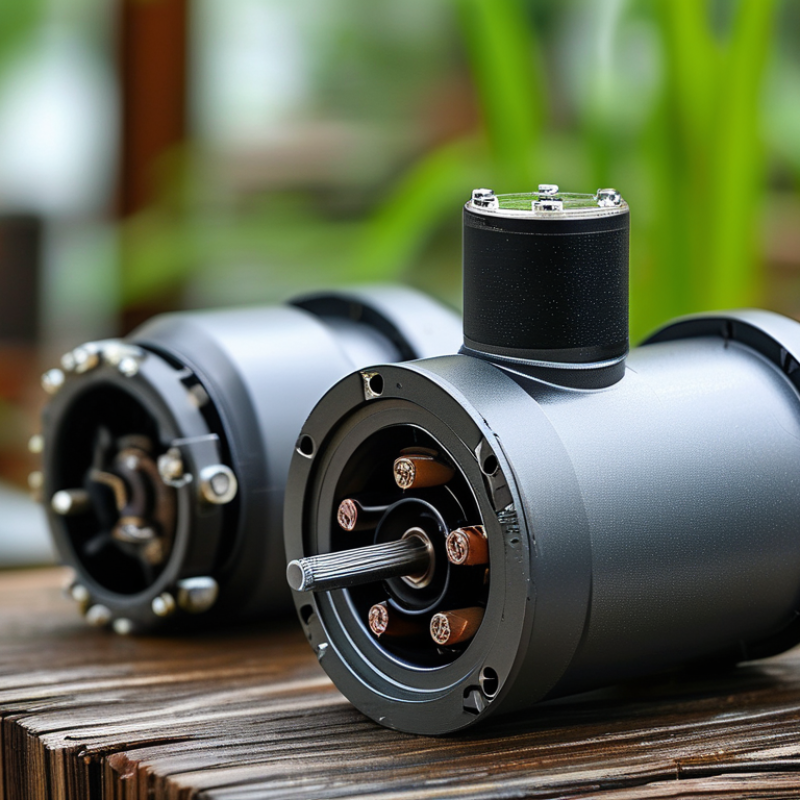
In 2026, DC micro vibration motors are crucial in various industries, from consumer electronics to medical devices. These motors are compact yet powerful, enabling new design possibilities. Recent reports indicate that the global market for micro vibration motors is projected to reach USD 2.5 billion by 2026, driven by the increasing demand for haptic feedback in smartphones and wearables.
A key feature of these motors is their ability to deliver precise vibrations. This precision enhances user experiences in mobile applications and gaming devices. Additionally, as devices become more miniaturized, the demand for smaller motors rises. A study from a leading industry analyst noted that 75% of manufacturers prioritize size when selecting motor components. This trend highlights a potential gap in innovation for larger manufacturers.
Reliability remains a concern for designers. Micro vibration motors must perform consistently in diverse conditions. Some developers face challenges with heat dissipation and longevity. Reports show that nearly 30% of product failures are linked to motor issues. Though advancements are being made, the sector still needs further improvement.
DC micro vibration motors are increasingly prevalent in various applications, ranging from mobile devices to medical equipment. These small yet powerful motors provide precise vibrations, enhancing user experiences and functions. Key features include compact size, high-efficiency performance, and quiet operation. A recent industry report indicates that the global market for micro vibration motors is expected to reach over $1.5 billion by 2026, signaling growing demand for reliable vibration solutions.
Compact design allows integration into tight spaces. Often, these motors measure less than 10mm, making them ideal for sleek devices. Their energy-efficient operation contributes to longer battery life, which is crucial for mobile applications. Data shows that energy consumption can be reduced by up to 30% with modern designs.
Additionally, quiet performance is vital in sensitive environments like hospitals. Users benefit from a near-silent operation, fostering a better overall experience.
However, the production of DC micro vibration motors poses challenges. Variability in quality control can lead to inconsistent performance. Manufacturers sometimes struggle to meet rigorous standards, affecting reliability. This inconsistency highlights the importance of selecting reputable suppliers. Continuous advancements in materials and technology aim to overcome these hurdles, driving innovation in the industry. The future looks promising, with ongoing research focused on enhancing motor durability and efficiency.
DC micro vibration motors have become essential in various applications, such as consumer electronics and medical devices. These compact motors generate vibrations at low power levels, offering significant benefits. According to industry reports, the market for micro vibration motors is expected to grow at a CAGR of over 9% from 2023 to 2026.
One primary advantage of using DC micro vibration motors is their energy efficiency. They consume minimal power while delivering a reliable performance. This feature is crucial for battery-operated devices, where longer battery life is often desired. Additionally, their small size allows for innovative designs in compact devices.
Incorporating these motors can enhance user experiences. For example, they provide haptic feedback in smartphones, making notifications more noticeable. Yet, designers must carefully consider vibrations' intensity and frequency. Too much vibration can disrupt user experience rather than enhance it.
One challenge lies in balancing performance and footprint. As devices shrink, achieving the right vibration intensity becomes more complex. Engineers must continuously test and iterate on designs to avoid pitfalls where vibrations fail to meet user expectations. This ongoing refinement process is crucial for optimal performance.
This chart showcases the specifications of top DC micro vibration motors in 2026, including size, voltage, frequency, power, and torque. These specifications help in understanding the capability and efficiency of these motors in various applications.
DC micro vibration motors are becoming increasingly popular compared to traditional motors. Their compact size and efficient energy consumption make them ideal for mobile devices and wearables. While traditional motors are bulky, micro vibration motors can fit into tight spaces, providing more design flexibility. This change is significant for engineers looking to innovate product design.
Micro vibration motors deliver precise haptic feedback. This feature enhances user interaction, especially in mobile applications. Users feel vibrations that provide notifications or confirmations. In contrast, traditional motors lack this level of sensitivity. While they generate more force, they do not always offer the subtlety required in today’s tech landscape.
When selecting a motor, consider factors like size and functionality. Not all applications require strong vibrations; some need light feedback. Think about the user experience. A design flaw could lead to excessive vibrations, resulting in an unpleasant experience. Ensuring the motor’s characteristics align with user expectations is crucial for product success. ق
| Feature | DC Micro Vibration Motor | Traditional Motor |
|---|---|---|
| Size | Compact design (10-20 mm) | Larger sizes (50 mm and above) |
| Weight | Lightweight (1-5 grams) | Heavier (varies widely) |
| Power Consumption | Low (0.1-0.5 W) | Higher (1 W and above) |
| Vibration Frequency | High frequency (up to 15,000 RPM) | Lower frequency (up to 3,000 RPM) |
| Application | Consumer electronics, wearables | Industrial machinery, large appliances |
| Cost | Affordable (Low-cost options available) | More expensive (due to size and capability) |
| Durability | Shorter lifespan (500-1000 hours) | Longer lifespan (2000+ hours) |
The future of DC micro vibration motor technology is poised for transformative advancements. As consumer electronics demand miniaturization and enhanced performance, manufacturers are innovating to meet these needs. According to a report by MarketsandMarkets, the global market for vibration motors is expected to reach $6.2 billion by 2026, growing at over 7.8% annually. This growth reflects increasing applications in mobile devices, wearables, and automotive systems.
Integration of advanced materials is a key trend. Manufacturers are exploring new composites to enhance durability while reducing weight. Additionally, advancements in precision engineering allow for more compact designs. These innovations enable motors to function more efficiently, often requiring less power. As a result, end-users experience longer battery life—a significant selling point.
However, challenges remain in standardization. The lack of universal design specifications can complicate compatibility across varieties of devices. Some experts suggest that collaboration among industry players may help establish these standards. Sustainability is another concern, as many motors rely on rare materials that pose environmental risks. Addressing these issues will be crucial in the coming years as the market continues to expand.
: They are vital in consumer electronics and medical devices, enhancing user experiences.
The global market may reach USD 2.5 billion by 2026, with a CAGR over 9% from 2023 to 2026.
They deliver precise vibrations, improving applications in mobile and gaming devices.
About 75% prioritize motor size, which reflects design constraints and innovation opportunities.
Consistent performance is challenging. Nearly 30% of failures are due to motor-related problems.
They provide haptic feedback, making notifications in devices more noticeable and engaging.
Balancing performance with compact size can complicate achieving the right vibration intensity.
Their low power consumption is crucial for battery life, especially in portable devices.
They need to evaluate vibration intensity and frequency to avoid negative user experiences.
Yes, ongoing refinement is necessary to meet user expectations and enhance reliability.
The article "2026 Top DC Micro Vibration Motor Features and Benefits Guide" presents a comprehensive overview of the advancements in DC Micro Vibration Motor technology as of 2026. It highlights the key features of these motors, such as their compact size, efficiency, and ability to provide precise vibrations, making them ideal for various applications. The benefits of using DC Micro Vibration Motors are emphasized, including their versatility in design and improved performance over traditional motors.
Additionally, the article includes a comparative analysis of DC Micro Vibration Motors against traditional motors, showcasing the advantages that make them a preferred choice in modern applications. With ongoing innovations, the future trends in DC Micro Vibration Motor technology are also discussed, indicating a promising trajectory for their development and usage in diverse fields. Overall, the article serves as an essential guide for understanding the significance and capabilities of DC Micro Vibration Motors in today's technology landscape.
