In today's competitive landscape, the integration of technology is vital for business efficiency. Servo motors stand out as a key innovation. Industry expert Dr. Emily Roberts, a leading figure in automation, once said, "Servo motors revolutionize precision in industrial applications." This insight underscores the importance of servo motors in enhancing operational performance.
Servo motors are favored for their accuracy and responsiveness. They provide precise control in various applications like robotics, CNC machines, and conveyor systems. Businesses that utilize servo motors often experience significant gains in productivity and quality. These motors are not merely components; they are the backbone of modern automation.
However, the decision to invest in servo motors requires reflection. Companies must analyse their specific needs and capabilities. While servo motors offer numerous advantages, they also demand a higher upfront investment and skilled personnel. It’s essential to weigh these factors carefully to ensure the benefits truly align with business goals.
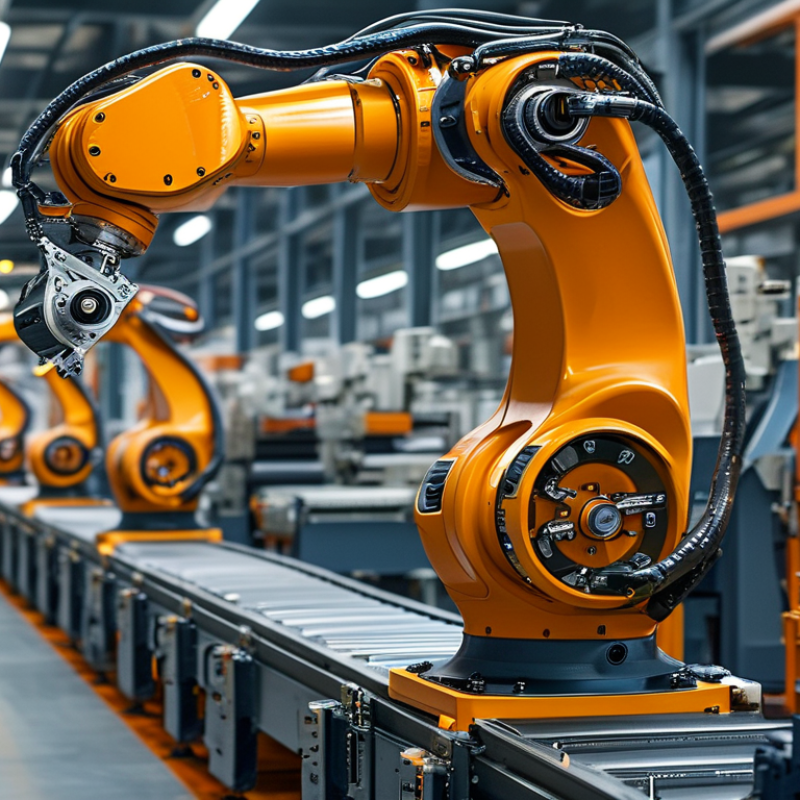
Overview of Servo Motors and Their Applications in Industry
Servo motors are critical in modern industrial applications. They provide precise control of angular or linear position, velocity, and acceleration, making them indispensable in automation. According to a report by Research and Markets, the global servo motor market is projected to reach $12 billion by 2025, reflecting the increasing demand for automation across various sectors.
These motors excel in applications like robotics, CNC machinery, and conveyor systems. In robotics, their precision enables tasks like welding and assembly with minimal human intervention. The industry has seen a 25% reduction in cycle time due to improved motor performance. Yet, businesses often wrestle with the complexity of integrating servo systems. Many underestimate their initial setup cost, leading to budget overruns.
Industries also benefit from the energy efficiency of servo motors. They consume less power compared to traditional motors, often leading to lower operational expenses. A study indicated that implementing servo motors can reduce energy consumption by 30%-50% in automated systems. However, it is crucial for businesses to weigh these efficiency gains against installation and maintenance challenges. Understanding these nuances can help organizations make informed decisions in their automation strategy.
Enhanced Precision and Accuracy: Key Advantages of Servo Motors
Servo motors have transformed the landscape of precision manufacturing. Their ability to deliver enhanced accuracy makes them invaluable in various applications. When it comes to positioning and speed control, servo motors excel. They provide real-time feedback, ensuring that the machinery operates within specified parameters. This level of precision reduces errors, leading to higher quality outputs in production lines.
In the realm of robotics, servo motors play a crucial role. They allow for intricate movements that are both fluid and precise. Each joint of a robotic arm can be controlled independently, creating a symphony of motion that mimics human dexterity. However, implementing these systems requires a skillful understanding of mechanics. A lack of proper programming can lead to inconsistent performance, which warrants constant re-evaluation and fine-tuning.
Moreover, the power efficiency of servo motors cannot be overlooked. They consume less energy compared to traditional alternatives. This operational efficiency benefits businesses by lowering energy costs. Yet, the initial investment can be significant, often leading to hesitance among small-scale enterprises. The balance between cost and benefit requires careful consideration. Ultimately, the transformative potential of servo motors can redefine business capabilities, provided that organizations invest in proper training and understanding.
Improved Energy Efficiency and Cost Savings with Servo Technology
Servo motors are revolutionizing how businesses approach energy efficiency. These devices provide precise control over motion, which often leads to reduced energy consumption. For instance, in manufacturing processes, they enable machinery to operate with minimal waste. This efficiency directly translates into cost savings for organizations over time.
Using servo technology can optimize performance in various applications. From robotics to conveyor systems, servo motors enhance accuracy and speed while using less energy than traditional motors. However, businesses may initially face higher upfront costs. It's essential to evaluate the long-term benefits of energy savings and reduced operational costs against this initial investment.
The implementation of servo motors is not without challenges. Companies might struggle with integration into existing systems. Additionally, technical knowledge is crucial for maintenance and troubleshooting. These hurdles should not overshadow the potential for improved energy efficiency. Organizations must consider their specific needs before transitioning to servo technology.
Increased Speed and Performance: How Servo Motors Enhance Productivity
Servo motors significantly boost speed and performance in industrial applications. They achieve precise control over movement, enhancing the overall efficiency of manufacturing processes. According to a study by the International Federation of Robotics, the integration of servo motors can improve productivity by up to 30%. This rapid response capability allows systems to perform complex tasks more quickly and accurately.
Additionally, servo motors contribute to reduced cycle times. Their ability to switch directions and speed seamlessly minimizes delays during operation. Research indicates that companies utilizing servo technology can decrease operational costs by 15% to 20%. However, the initial investment in these systems can be substantial, posing a challenge for smaller businesses.
Implementing servo motors requires careful planning and expertise. Misalignment or improper calibration can lead to performance issues. Some organizations may find it difficult to adapt their processes to fully leverage the benefits of servo motors. While the advantages are clear, the transition can be complicated and requires ongoing training and adjustment. Embracing this technology needs a consistent review of processes to ensure maximum efficiency.
Top 10 Benefits of Servo Motors for Your Business Needs
Servo motors are crucial in enhancing productivity across various industries. This chart illustrates the top benefits associated with the use of servo motors, showcasing how they are rated in terms of their advantages to business performance.
Reliability and Durability: Long-Term Benefits of Investing in Servo Motors
Servo motors are renowned for their reliability and durability. They are designed to perform consistently over long periods, making them an essential investment for manufacturing and automation sectors. According to a report by the National Institute of Standards and Technology, servo motors can lead to a productivity increase of up to 30% due to their precision and swift response times. Businesses that prioritize high performance often report reduced downtime, translating into significant cost savings.
The longevity of servo motors is supported by their robust construction. Many models feature components that are resistant to wear and tear. A survey from the Motion Control Association indicated that 85% of companies saw a marked decrease in maintenance costs after switching to servo motors. This aspect alone enhances operational efficiency, yet it is important to consider that initial costs can be higher than traditional motor solutions. Potential buyers should assess the payback period and overall return on investment.
Investing in these motors fosters a more reliable production environment. Companies can respond swiftly to market demands due to the precise control and high torque capabilities of servo systems. However, it's vital for businesses to match the motor type closely with their application needs. Misalignment can lead to performance issues, negating the perceived advantages. Therefore, careful planning and analysis remain critical in reaping the full benefits of servo technology.
FAQS
: Servo motors provide precise control in applications like robotics, CNC machinery, and conveyor systems.
They reduce energy consumption by 30%-50% compared to traditional motors, leading to lower operational costs.
They enhance reliability, reduce downtime, and can increase productivity by up to 30%.
Yes, initial costs can be higher than traditional motors, leading to budget concerns for some businesses.
Yes, misalignment with application needs can lead to performance issues and negate benefits.
Many companies report a decrease in maintenance costs after switching, but it varies by application.
Precision is critical, especially for tasks like welding and assembly which require minimal human intervention.
Businesses must consider installation complexity and long-term maintenance alongside initial costs.
Yes, underestimating setup costs can lead to budget overruns and operational delays.
Companies might overlook the careful planning needed to align the motor type with their specific application needs.
Conclusion
Servo motors are essential components in modern industrial applications, offering numerous benefits that enhance business efficiency. These motors provide enhanced precision and accuracy, making them ideal for tasks that require meticulous control. Additionally, their design contributes to improved energy efficiency, translating to significant cost savings over time.
The increased speed and performance of servo motors can significantly boost productivity, enabling businesses to meet higher demand with ease. Moreover, their reliability and durability ensure long-term operational benefits, making them a worthwhile investment for any company seeking to optimize its processes. In summary, the adoption of servo motors can transform business operations through precision, efficiency, and improved performance, solidifying their place as a valuable asset in industry.
