In the evolving landscape of electric motors, the High Torque Motor stands out as a crucial component for various applications. Designed to deliver powerful performance, these motors excel in demanding environments. They play a pivotal role in industries ranging from automotive to robotics. With 2026 on the horizon, buyers must carefully consider their options.
Choosing the best High Torque Motor can be challenging. There are numerous models available, each with unique specifications. Factors such as efficiency, durability, and torque output are vital. High-quality motors not only boost performance but also enhance reliability. Understanding these intricacies requires experience and technical knowledge.
Buyers should seek trustworthy sources of information. Consulting experts in the field can provide valuable insights. It’s essential to assess both the advantages and limitations of various motors. This reflection helps in making informed decisions. Investing time in research will yield better outcomes. In a competitive market, the right choice can significantly impact operational success.
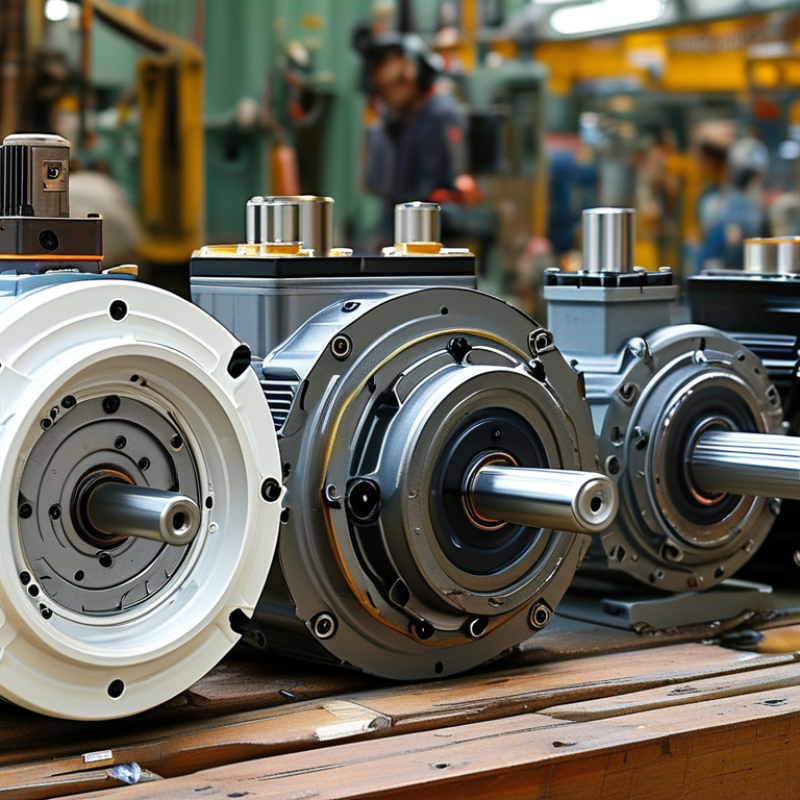
2026 High Torque Motor Market Overview and Forecast Analysis
The high torque motor market is poised for significant growth in 2026. Various industries are increasingly implementing these motors due to their efficiency and power output. In heavy machinery, for instance, torque motors enhance performance, enabling tasks that were previously unattainable. This demand is not just limited to manufacturing; construction and automotive sectors are rapidly adopting high torque technologies for more reliable operations.
Market analysts predict that the rise in automation will drive the need for high torque motors. Their ability to handle higher loads with precision positions them as essential tools in robotics and conveyor systems. Additionally, there is a noticeable shift towards electric high torque motors, driven by sustainability goals. However, challenges remain. The complexity of integrating new motor technologies may slow down adoption. Not all companies are equipped to manage the transition smoothly, reflecting a gap in experience and training within some sectors.
Understanding the key drivers of this market is crucial for stakeholders. As manufacturers innovate, it will become vital for buyers to stay informed about efficiency rates and performance benchmarks. The reliability of motor options will be a deciding factor in purchases. Engaging with industry experts can provide insights into upcoming trends and potential pitfalls. The landscape may change, but those who adapt quickly will find themselves leading the charge.
2026 Best High Torque Motor Market Overview
This chart represents the projected growth in the high torque motor market for 2026. It shows the estimated market volume in thousands of units for various applications, highlighting the increasing demand in industries such as automotive, aerospace, and robotics.
Key Applications of High Torque Motors Across Various Industries
High torque motors have become crucial in various industries, thanks to their efficiency and reliability. Industries like automotive, manufacturing, and renewable energy increasingly rely on these powerful machines. According to a report by the International Energy Agency, the demand for high torque motors in industrial applications is projected to grow by 8% annually through 2026. This growth reflects not only their applications in electric vehicles but also their significance in automation.
In automotive settings, high torque motors improve vehicle performance by providing better acceleration and efficiency. The electric vehicle market alone is expected to see a 15% increase in high torque motor usage over the next few years. Furthermore, in manufacturing, these motors drive heavy machinery, contributing to an efficient production process. A study by the National Renewable Energy Laboratory notes that high torque applications can reduce energy consumption by 20%, leading to significant cost savings.
However, the increasing complexity in custom applications raises challenges. Adapting these motors to meet varying specifications can lead to inefficiencies and unexpected costs. Improved design and innovation are crucial for addressing these challenges. The transition to advanced materials and technology will necessitate ongoing research and development in the field.
2026 Best High Torque Motor for Global Buyers
| Application Industry |
Torque Range (Nm) |
Power Rating (kW) |
Efficiency (%) |
Typical Use Cases |
| Manufacturing |
50 - 500 |
2 - 50 |
85 |
CNC Machines, Conveyors |
| Automotive |
100 - 800 |
10 - 100 |
90 |
Electric Vehicles, Robotics |
| Healthcare |
20 - 200 |
1 - 15 |
80 |
Medical Equipment, Mobility Aids |
| Aerospace |
150 - 1000 |
20 - 200 |
88 |
Actuators, Drones |
| Mining |
200 - 1500 |
25 - 300 |
87 |
Drilling Equipment, Conveyors |
Top High Torque Motor Manufacturers and Their Market Positions
When examining the landscape of high torque motor manufacturers, several key players stand out. These companies have carved out significant market positions through innovation and reliability. Investing in high torque motors requires buyers to pay attention to factors such as performance, durability, and efficiency. Many manufacturers offer various designs and specifications that cater to different industries, ensuring versatility in applications.
Analyzing the competitive environment reveals that some manufacturers focus on niche markets. They specialize in custom solutions, which can lead to deeper insights into technology trends and user needs. However, not all companies maintain consistent quality. Some lack adequate testing protocols, leading to variability in performance. Buyers should exercise caution and conduct thorough research before making commitments.
Market dynamics are shifting as sustainability becomes a priority. Manufacturers are adapting by incorporating eco-friendly materials and energy-efficient designs. This transition may not be seamless for all, and some companies may struggle to keep pace. As global demand continues to evolve, navigating these changes will be crucial for maintaining market relevance in the high torque motor sector.
Technical Specifications and Performance Metrics of Leading Motors
When selecting a high torque motor, buyers must consider various technical specifications. Key metrics include torque rating, RPM, and efficiency. Motors are often measured in Newton-meters (Nm) for torque. Higher ratings usually indicate better performance in demanding applications. RPM (revolutions per minute) affects speed and power delivery. A balance between torque and RPM is crucial for optimal operation.
Reliability is another important factor. High-quality motors should exhibit minimal wear over time. This means they can handle extended use without significant performance loss. Buyers should also consider thermal management capabilities. Effective cooling systems can prevent overheating and ensure longevity. Additionally, compatibility with various power supplies is vital. Ensuring the motor works seamlessly with existing systems is often overlooked but essential for success.
In practice, users often find their ideal specifications might not align perfectly with available options. This discrepancy can lead to trial and error. It’s essential to analyze real-world performance compared to theoretical metrics. Feedback from others can provide valuable insights. Every motor may have its quirks, requiring adjustments for different applications.
Impact of Technological Advancements on High Torque Motor Efficiency
Technological advancements are significantly enhancing the efficiency of high torque motors. Innovations in materials and design play a crucial role. For instance, the use of high-performance magnets can increase torque density, leading to a more compact and efficient motor design. A report from the International Energy Agency highlights that optimized designs can improve energy efficiency by up to 25%.
Improved cooling techniques are also vital. Effective heat dissipation helps maintain performance. Studies show that advanced cooling methods can extend motor lifespan by minimizing thermal stress. Although these developments are promising, challenges remain in balancing performance with cost. Manufacturers need to invest in research and development while keeping production expenses manageable.
Industry professionals recommend examining both efficiency ratings and torque requirements when selecting a motor. It’s crucial to consider how technological changes can impact long-term operational costs. Understand that not all advancements will suit every application. Sometimes, simpler designs may offer more reliability without the latest technology. Staying informed about these trends is essential for making the best purchasing decisions.
FAQS
: Buyers need to consider performance, durability, and efficiency. These factors impact overall satisfaction.
A reliable motor shows minimal wear over time. This ensures longevity and consistent performance even with extended use.
It's crucial to check if the motor works with current power supplies. Overlooking this can lead to performance issues.
Key metrics include torque rating, RPM, and efficiency. Each plays a role in the motor's performance in applications.
No, some manufacturers lack adequate testing protocols. This can lead to variability in performance, so research is vital.
Manufacturers are adapting by using eco-friendly materials. This shift may present challenges for some, requiring time to adjust.
Effective cooling systems can prevent overheating. This feature contributes significantly to the motor's longevity and reliability.
Ideal specifications may not match available options. Users often experience trial and error, discovering what really works.
Feedback offers insights into real-world performance. This can help buyers make more informed decisions based on practical experiences.
A balance between torque and RPM is essential. This ensures the motor functions effectively in demanding situations.
Conclusion
The "2026 Best High Torque Motor for Global Buyers" article provides a comprehensive analysis of the high torque motor market, highlighting key trends and forecasts for the coming years. It explores the pivotal applications of high torque motors across various industries, emphasizing their role in driving efficiency in sectors such as manufacturing, automotive, and renewable energy.
Additionally, the article delves into the leading manufacturers in the high torque motor space, discussing their market positions and contributions to technological advancements. A significant focus is placed on the technical specifications and performance metrics of top-performing motors, showcasing how innovation contributes to enhanced motor efficiency. Overall, the insights presented paint a detailed picture of the evolving landscape of high torque motors and their impact on global industries.
