Why Choose OEM Gear Motor for Your Manufacturing Needs?

Time:2026-08-28 Author:Madeline
0%

Choosing the right components for manufacturing can be challenging. One critical component is the OEM Gear Motor. Industry expert John Smith emphasizes, “An OEM Gear Motor can significantly enhance production efficiency.” His insights highlight the importance of quality.

OEM Gear Motors are designed for reliability. They ensure consistent performance in various applications. A well-crafted gear motor can greatly impact product quality. However, not all manufacturers prioritize the same standards. Some may cut costs, compromising durability.

Understanding the value of an OEM Gear Motor is essential. It’s about finding the right balance between cost and quality. As manufacturers strive for excellence, the choice of components can make or break the end product. Investing in OEM Gear Motors leads to long-term benefits. It is crucial to weigh options carefully. What works today might not work tomorrow.
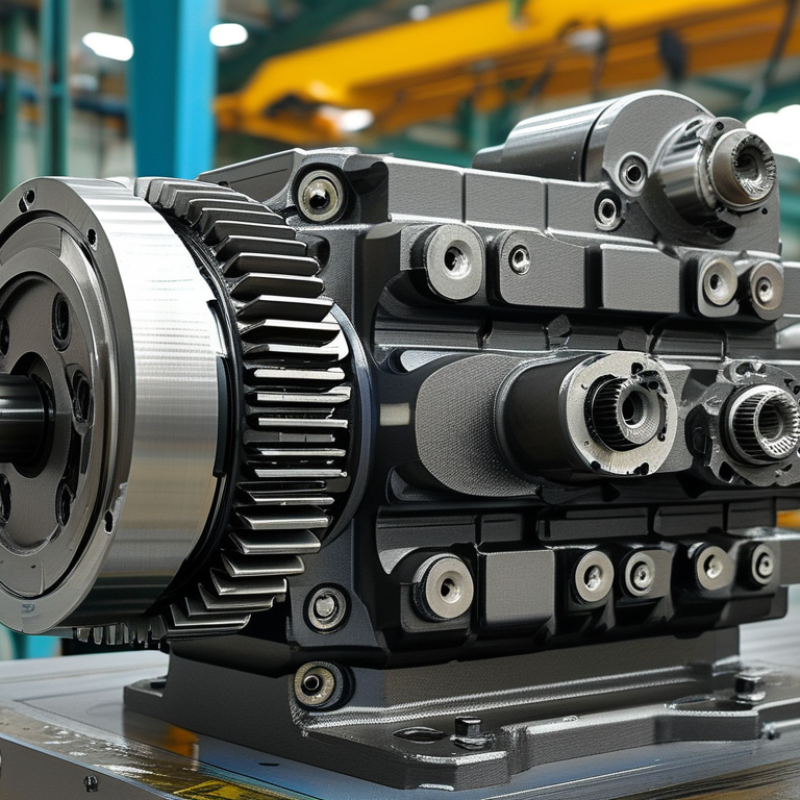
Why Choose OEM Gear Motor for Your Manufacturing Needs?

Benefits of Choosing OEM Gear Motors for Manufacturing Operations

Choosing an OEM gear motor for manufacturing operations offers several distinct advantages. One of the most significant benefits is customization. OEM gear motors can be tailored to meet specific application needs, allowing for optimized performance. For instance, the efficiency of customized gear motors can exceed 90%, compared to standard motors, which often fall below that threshold. This improvement in efficiency can lead to enhanced overall productivity.

Additionally, OEM gear motors typically exhibit superior reliability. A study from an industry report revealed that equipment failure rates decrease by up to 30% when using OEM components. This reliability is critical in fast-paced manufacturing environments, where downtime can lead to significant financial losses. The use of OEM gear motors often comes with robust after-sales support, ensuring quick resolutions when issues arise. This contrasts sharply with non-OEM alternatives, which may lack adequate customer service.

It’s essential to note that while the upfront cost of OEM gear motors can be higher, the long-term savings often outweigh initial investments. Industry data suggest that companies using OEM components experience lower maintenance costs and reduced operational interruptions. However, selecting an OEM partner requires careful evaluation. Not all providers offer the same level of quality or service. Hence, manufacturers must conduct thorough research before deciding. This critical thinking is vital in ensuring that the chosen OEM gear motor aligns with long-term operational goals.

Benefits of Choosing OEM Gear Motors for Manufacturing Operations

Understanding the Technical Specifications of OEM Gear Motors

When considering OEM gear motors for manufacturing, understanding their technical specifications is crucial. Gear motors combine a gear reducer and a motor. This combination enhances performance while reducing energy consumption. For instance, a properly selected gear motor can achieve efficiency rates exceeding 90%. This efficiency translates to reduced operational costs, which is vital in today’s competitive manufacturing landscape.

Different OEM gear motors vary in specifications such as torque, speed, and size. High-torque models are often needed for heavy industrial applications. A study by the American Gear Manufacturers Association highlights that torque needs can significantly differ across industries. In some scenarios, a mismatch in torque can lead to operational inefficiencies and increased wear on machinery. Thus, careful consideration is necessary.

Some manufacturers overlook the importance of compatibility in gear motor selection. It’s not just about raw numbers; the application environment matters too. For example, factors like temperature and humidity can impact a motor's performance. Inadequate attention to these details can lead to unexpected failures. Selecting the right OEM gear motor requires a thorough understanding of both the product and application.

Why Choose OEM Gear Motor for Your Manufacturing Needs?

Specification Description Benefits
Power Rating Typically ranges from 10W to 2000W Suitable for various applications
Gear Ratio Common ratios from 3:1 to 100:1 Enhanced torque output
Torque Maximum torque varies based on model High efficiency in power conversion
Voltage Available in 12V, 24V, 48V, and 120V Flexible for different power supply systems
Efficiency Rating Ranges from 75% to 95% Energy saving and cost-effective
Motor Type DC, AC, and stepper motors available Choose according to application needs
Size Compact designs for easy integration Saves space in machinery

Cost-Effectiveness: Analyzing OEM Gear Motor Lifespan and Efficiency

When choosing OEM gear motors, cost-effectiveness often stands out. The lifespan of these motors is critical in manufacturing. A well-designed OEM gear motor can last significantly longer than traditional alternatives. This durability often justifies the initial investment. However, not all motors are created equal. Some may fail sooner than expected, leading to unexpected costs.

Efficiency is another important factor. High-efficiency motors can reduce energy consumption, resulting in lower operational costs. An OEM gear motor optimized for specific tasks often delivers superior performance. Yet, the efficiency can vary widely based on usage and maintenance practices. Regular checks are essential to maintain optimal performance.

Manufacturers should consider the potential trade-offs. Choosing an OEM gear motor might involve a higher upfront cost, but the long-term benefits can outweigh this. Understanding the specific manufacturing requirements can help guide this choice. It's important to do thorough research and evaluate different options. Reflecting on the balance between cost, efficiency, and lifespan can lead to wiser decisions.

Industry Trends: The Growing Demand for OEM Gear Motors

The manufacturing sector is witnessing a significant shift towards OEM gear motors. These components play a crucial role in enhancing equipment performance. As industries evolve, the need for reliable and efficient gear motors becomes ever more pressing. OEM gear motors stand out due to their tailored solutions. This customization aligns precisely with varying industry demands, making them a preferred choice among manufacturers.

Tips: Focus on compatibility when selecting gear motors. Ensure they integrate seamlessly with existing systems.

Additionally, the growing trend of automation in manufacturing sparks the demand for OEM gear motors. These motors provide better precision and efficiency. They are invaluable in settings where precision is non-negotiable. However, manufacturers should conduct thorough evaluations. Not all OEM gear motors might meet specific needs.

Tips: Consider energy consumption rates and maintenance requirements. These factors influence long-term costs and operational efficiency.

In summary, the rising preference for OEM gear motors stems from their ability to adapt to specific manufacturing needs. As industries innovate and rely more on automation, the importance of selecting the right gear motor becomes evident. Continuous assessment and alignment with industry trends can help manufacturers stay competitive.

Comparative Analysis: OEM Gear Motors vs. Custom Solutions in Manufacturing

When comparing OEM gear motors to custom solutions, several factors come into play. OEM gear motors typically offer standardized performance, which can lead to cost savings. A report from the International Society of Automation noted that up to 30% of manufacturing costs can be reduced by utilizing standardized components. This factor cannot be overlooked, especially for industries focused on optimizing production budgets.

Custom solutions might seem appealing, but they often come with higher risks. For example, recent data revealed that 45% of custom machinery projects exceed their initial budget due to unforeseen complexity. Custom gear motors could also lead to longer lead times. According to a survey conducted by Manufacturing Technology, nearly 40% of companies reported delays when opting for customized solutions. Relying on an OEM gear motor can streamline the supply chain, ensuring that components are readily available when needed.

Moreover, there’s the issue of reliability to consider. OEM gear motors are frequently tested and proven in various applications. This reduces the need for additional validation that custom solutions often require. Over time, using established OEM products can enhance overall system reliability, contributing to more robust manufacturing processes. However, companies must weigh the benefits against specific needs and long-term goals.

FAQS

: What are OEM gear motors?

: OEM gear motors combine a gear reducer and a motor to enhance performance and reduce energy consumption.

Why is efficiency important in gear motors?

High efficiency, often over 90%, translates to lower operational costs, which is critical for manufacturers.

What specifications should I consider when selecting a gear motor?

Consider torque, speed, and size. Different applications demand different specifications.

What happens if torque requirements are mismatched?

Mismatched torque can cause operational inefficiencies and wear on machinery, leading to costly repairs.

How does the environment affect gear motor performance?

Factors like temperature and humidity can greatly influence a motor's effectiveness and longevity.

Are custom gear motors worth the investment?

Custom solutions may seem attractive but often exceed budgets and lead to delays.

What is a risk of using custom machinery projects?

Recent studies show that 45% of custom projects face budget overruns due to unforeseen complexities.

How do OEM gear motors ensure reliability?

They are tested in various applications, reducing the need for additional validation compared to custom solutions.

Can OEM gear motors save costs?

Yes, using standardized parts can reduce manufacturing costs by up to 30%.

What should companies do before choosing any gear motor?

Companies need to reflect on their specific needs and long-term goals to make informed decisions.

Conclusion

The article explores the advantages of choosing OEM Gear Motors for manufacturing needs, highlighting their significant benefits in operational efficiency and reliability. It provides an overview of the technical specifications that make these motors suitable for various applications, emphasizing their durability and performance metrics. Furthermore, the article examines the cost-effectiveness of OEM Gear Motors by analyzing their lifespan and operational efficiency, demonstrating how they can result in lower long-term expenses for manufacturers.

Additionally, it addresses the growing demand for OEM Gear Motors in various industries, driven by trends toward increased automation and efficiency. A comparative analysis is performed between OEM Gear Motors and custom solutions, illustrating how OEM options can often provide superior value while reducing development time and costs. Overall, the article underscores the importance of selecting OEM Gear Motors to enhance manufacturing processes and remain competitive in an evolving market.

Madeline

Madeline

Madeline is a dedicated marketing professional with a wealth of expertise in our company's core offerings. With a keen understanding of the industry, she brings a unique perspective to her role, consistently delivering high-quality content that highlights the superior aspects of our products. As......