The global demand for DC Gear Motors is on the rise. According to a recent study, the market is expected to grow at a CAGR of 5.2% through 2026. This increase is driven by the expanding use of automation across various industries. As sectors such as manufacturing and robotics evolve, the need for reliable and efficient DC Gear Motors becomes crucial.
These motors are essential in applications that require high torque at low speeds. They play a key role in electric vehicles, robotics, and home appliances. With advancements in technology, the efficiency of DC Gear Motors continues to improve, making them more attractive to buyers. However, challenges remain in terms of sourcing quality products. Buyers must consider factors like durability, torque, and price.
In this landscape, understanding the latest trends is vital. Industry reports indicate a significant push towards custom solutions. Many manufacturers are shifting focus to meet specific customer needs. This creates a demand for informed purchasing decisions. The insights shared in this guide aim to empower buyers. With the right knowledge, they can navigate the complexities of the DC Gear Motor market effectively.
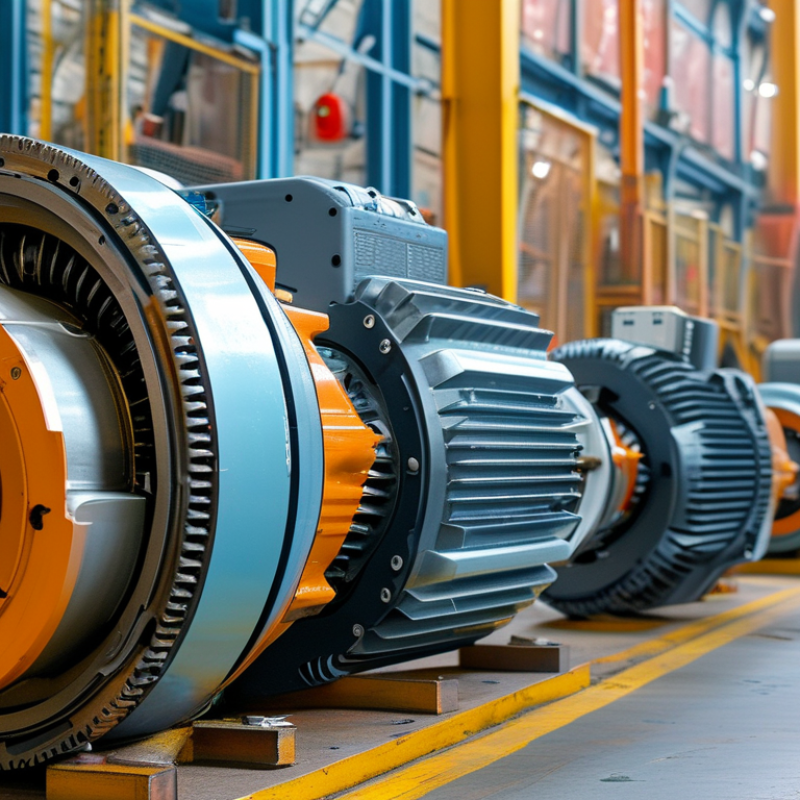
Current Market Overview of DC Gear Motors in 2026
The DC gear motor market is experiencing notable evolution as we approach 2026. Experts indicate that automation will drive demand. Industries are increasingly reliant on precise control systems. This shift presents both opportunities and challenges for manufacturers.
Technological advances continue to enhance efficiency. New materials are being tested for better performance and durability. These developments require manufacturers to adapt quickly. Potential buyers must consider not only specifications but also long-term reliability. Current trends highlight the need for energy-efficient solutions.
Despite progress, some challenges remain. Designing cost-effective systems while maintaining quality is complex. Buyers should prioritize suppliers with proven track records. The importance of after-sales service cannot be overlooked. Understanding these dynamics will help businesses make informed decisions.
Top DC Gear Motor Trends and Buyers Guide for 2026
This chart shows the projected market share of different DC gear motor applications in 2026. The data reflects the increasing demand for DC gear motors in various industries including robotics, automotive, and consumer electronics.
Key Innovations and Technologies Influencing DC Gear Motor Design
The DC gear motor industry is witnessing remarkable innovations that redefine design and functionality. Automation trends are driving the demand for compact, efficient motors. According to a recent market report, the global DC gear motor market is expected to grow at a CAGR of 5.2% through 2026. This growth is fueled by advancements in robotics and the automotive sector.
One key innovation is the integration of smart technology. This enables remote monitoring and control. Sensors embedded in gear motors enhance performance, providing real-time data on efficiency and load. Manufacturers are exploring the use of advanced materials to reduce weight while maintaining strength. Improvements in gear design help decrease friction, leading to higher efficiency.
Nevertheless, challenges persist in ensuring reliability. Some designs struggle with heat dissipation, affecting performance over time. Companies are experimenting with different cooling solutions. Additionally, balancing cost and innovation remains a concern. Engaging with industry standards can help guide development. Ultimately, the march toward improved DC gear motors is both exciting and complex.
Top Trends Shaping the Future of DC Gear Motors
The future of DC gear motors is being shaped by several key trends. One significant trend is the increasing demand for lightweight and compact designs. As industries seek more efficient technologies, lighter motors will enable improved performance in limited spaces. A report from MarketsandMarkets suggests that the DC gear motor market could grow at a CAGR of 6.5% by 2026. This growth stems from sectors like automotive and robotics, where space optimization is essential.
Automation plays a pivotal role in boosting the demand for DC gear motors. Factories are implementing more automated systems to enhance efficiency. According to a study published by McKinsey, automation can result in up to 30% increased productivity in various industries. However, achieving layers of automation with DC gear motors can be challenging. Integrating new systems often presents compatibility issues, which require careful planning and adjustment.
Sustainability is also a growing concern for manufacturers and users. As environmental regulations tighten, many firms are prioritizing energy-efficient models. The International Energy Agency noted that energy efficiency could reduce electricity consumption in motors by up to 20%. This focus on sustainability drives innovation but can also lead to complexities in meeting new standards. Companies must continuously adapt to these changes while ensuring reliability in their products.
Top DC Gear Motor Trends and Buyers Guide for 2026
| Trend |
Description |
Impact on Market |
Key Features |
| Increased Efficiency |
Development of motors that use less power and generate less heat. |
Wider adoption in energy-sensitive applications. |
High torque-to-weight ratio, reduced energy consumption. |
| Smart Motors |
Integration of IoT technology for remote monitoring and control. |
Enhanced operational efficiency and predictive maintenance. |
Connectivity features, automated alerts, data analysis. |
| Sustainability Focus |
Use of recyclable materials and eco-friendly manufacturing processes. |
Increased demand in environments with strict regulations. |
Low environmental impact, durable design. |
| Miniaturization |
Development of smaller, lighter motors without compromising performance. |
Greater application in compact devices and robotics. |
Compact design, versatile applications. |
| Enhanced Customization |
Greater options for tailored gear motor solutions to meet specific needs. |
Increased customer satisfaction and retention. |
Modular designs, varied gear ratios. |
Essential Features to Consider When Buying DC Gear Motors
When purchasing DC gear motors, several essential features should guide your decision. First, consider the voltage and power requirements. A motor’s voltage rating affects its efficiency and performance. Ensure compatibility with your project needs. The power rating will influence how effectively the motor can handle a load. High torque applications require motors designed for such demands.
Next, think about the gear ratio. This affects output speed and torque. A higher gear ratio will increase torque but decrease speed. Conversely, a lower ratio will offer higher speeds but less torque. Choose the ratio that aligns with your specific application.
Don’t forget about the build quality and environmental considerations. Motors should withstand the conditions they’ll face, such as heat, moisture, or dust. Additionally, consider the noise level. Some projects may require whisper-quiet operation while others can tolerate more sound. Remember, no motor is perfect. It's essential to weigh these factors against your unique needs and constraints.
Buyer Personas: Understanding the Target Audience for DC Gear Motors
Understanding buyer personas is crucial for anyone looking to invest in DC gear motors. Different industries require different specifications, and knowing the target audience is key. For instance, manufacturers may need gear motors with high torque. Alternatively, consumer electronics companies might focus on compact and lightweight designs. Knowing these distinctions helps in tailoring products effectively.
The decision-making process in these sectors often involves multiple stakeholders. Engineers, procurement managers, and project leaders all have unique needs. Engineers look for technical specifications and performance metrics. Procurement managers prioritize cost and availability. Recognizing these roles helps when developing marketing strategies and product features.
However, not all decisions in the purchase process are straightforward. Challenges often arise due to miscommunication among stakeholders. This leads to discrepancies in requirements versus final purchases. Listening to customer feedback is vital to address these ambiguities. Adapting to their evolving needs can strengthen trust and reliability in your offerings.
FAQS
: Automation trends are increasing reliance on precise control systems across various industries.
Buyers need to focus on specifications, long-term reliability, and supplier track records.
Key innovations include smart technology integration, improved gear design, and new lightweight materials.
Balancing cost and quality while ensuring reliability is complex for manufacturers.
Various industries require tailored specifications, such as high torque for manufacturers and compact designs for electronics.
Engineers focus on technical metrics, while procurement managers prioritize cost and availability.
Miscommunication among stakeholders often leads to discrepancies in requirements versus actual purchases.
Strong after-sales support builds trust and enhances long-term reliability for buyers.
Companies are experimenting with various cooling solutions to manage heat in gear motors.
The DC gear motor market is projected to grow at a CAGR of 5.2% through 2026.
Conclusion
The article "Top DC Gear Motor Trends and Buyers Guide for 2026" provides a comprehensive overview of the current landscape of DC Gear Motors, highlighting significant advancements and innovations shaping their design. As the market evolves, emerging technologies are expected to enhance efficiency and functionality, while key trends such as miniaturization, energy efficiency, and increased automation are set to influence future developments.
When considering a purchase, it is crucial for buyers to understand essential features such as torque, speed control, and integration capabilities. Additionally, insights into various buyer personas help manufacturers and suppliers tailor their products to meet diverse consumer needs. By staying informed about these factors, businesses and individuals can make better-informed decisions in the dynamic DC Gear Motor marketplace of 2026.
