10 Electric Motor Buying Tips for Global Buyers
Buying an Electric Motor is not simply a matter of comparing horsepower and price. It affects energy bills, production uptime, maintenance schedules, and long-term carbon performance. The International Energy Agency has reported that electric motor-driven systems consume roughly 40% of global electricity. In industrial facilities, their share can be even higher. The U.S. Department of Energy also identifies motor systems as major electricity users in manufacturing. Small specification errors can become expensive operational problems.
Global purchasing adds more variables. Voltage, frequency, mounting dimensions, insulation class, ingress protection, duty cycle, and ambient temperature must match the installation. An IE3 motor may meet efficiency requirements in one market, while another project may require IE4 performance. IEC 60034 standards provide a useful technical reference, but certification, documentation, and local compliance still require verification. A reliable supplier should provide test reports, efficiency data, drawings, warranty terms, and traceable production information.
The following ten tips focus on practical decisions that experienced buyers often make before issuing a purchase order. They cover application analysis, total cost, efficiency, environmental conditions, supplier capability, and after-sales support. One uncomfortable truth remains: the lowest quotation can be the costliest choice. I have seen buyers compare unit prices while overlooking cable changes, oversized ratings, bearing failures, or difficult spare-parts access. Data helps, but it does not replace site knowledge. Review every assumption carefully, especially when purchasing across borders. Think beyond delivery. A motor that runs quietly in a showroom may behave differently beside dust, heat, vibration, and unstable power.
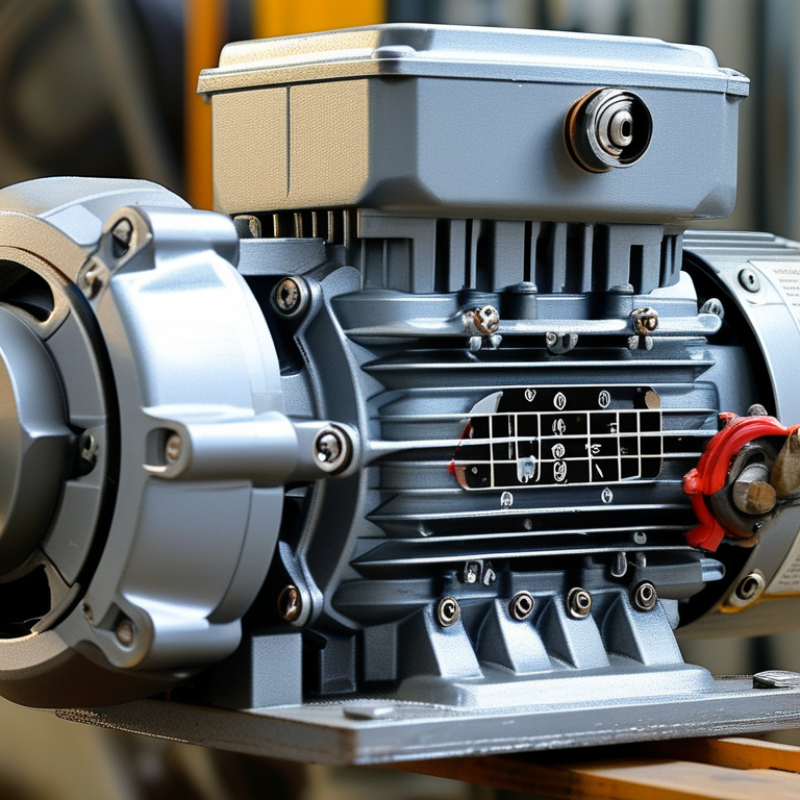
Define Motor Requirements and Operating Conditions
Before buying an electric motor, define the machine’s real working conditions. Record rated power, voltage, frequency, speed, torque, and starting method. A conveyor may need steady torque, while a pump often faces changing flow and pressure. Check the load at startup, during normal operation, and during overload events. Guessing here can cause overheating, poor efficiency, or unexpected shutdowns.
Tips: Measure the available voltage at the installation point, not only on paper. Note ambient temperature, altitude, dust, moisture, and ventilation. A motor near a furnace needs different protection from one inside a clean production room. Consider duty cycle carefully. Ten starts per hour is not the same as continuous operation. I once saw a specification miss short, heavy starts; the selected motor worked, but its thermal margin was uncomfortable.
Also define mechanical requirements before comparing prices. Confirm shaft dimensions, mounting position, rotation direction, coupling method, and allowable vibration. Ask whether braking, variable-speed control, or frequent reversing is necessary. These details affect motor selection and control equipment. Keep written measurements, photographs, and maintenance records from the site. They make supplier discussions more reliable and expose unclear assumptions. Some requirements may change after testing, and that is normal. Recheck the design under the coldest, hottest, and heaviest expected conditions. Small omissions become expensive later.
10 Electric Motor Buying Tips for Global Buyers - Define Motor Requirements and Operating Conditions
| No. | Buying Dimension | Information to Define | Realistic Reference Data | Why It Matters |
|---|---|---|---|---|
| 1 | Rated Power and Load | Determine continuous power, peak power, starting torque, and whether the load is constant-torque or variable-torque. | Example: 15 kW continuous load, 22 kW peak load, 1,450 rpm, and starting torque of at least 150% of rated torque. | Correct sizing prevents overheating, nuisance trips, poor acceleration, and unnecessary energy consumption. |
| 2 | Supply Voltage and Frequency | Confirm the available phase configuration, voltage, frequency, voltage tolerance, and power-system earthing arrangement. | Common industrial requirement: three-phase, 400 V, 50 Hz; typical motor terminal voltage tolerance may be approximately ±10% when permitted by the applicable standard. | A mismatch can cause excessive current, reduced torque, overheating, or failure to start. |
| 3 | Speed and Speed Control | Specify required operating speed, acceptable speed variation, acceleration time, reversing frequency, and whether a variable-frequency drive will be used. | Example: 1,500 rpm synchronous speed at 50 Hz, approximately 1,450 rpm full-load speed for a four-pole induction motor, with a required operating range of 30–50 Hz. | Speed requirements affect motor pole count, drive compatibility, cooling, torque, and mechanical stress. |
| 4 | Duty Cycle and Starts per Hour | Define running time, idle time, load pattern, number of starts, braking cycles, and periods of overload. | Example: continuous duty for 16 hours per day, 20 direct-on-line starts per hour, and intermittent overload up to 120% of rated load for 30 seconds. | Frequent starts generate thermal stress and may require a larger motor, reduced-voltage starting, or drive-based control. |
| 5 | Installation Environment | Identify ambient temperature, altitude, humidity, dust, water exposure, corrosive substances, and indoor or outdoor installation. | Example: outdoor installation, ambient temperature from −10°C to +45°C, relative humidity up to 95%, and altitude below 1,000 m. | Environmental conditions determine enclosure, insulation, cooling method, derating, and corrosion protection. |
| 6 | Ingress Protection and Enclosure | Select the required IP rating and enclosure construction based on dust, water jets, washdown, and ventilation conditions. | IP55 provides protection against dust ingress that could interfere with operation and water jets from any direction; higher protection may be required for heavy washdown. | The correct enclosure protects windings and bearings while avoiding excessive heat retention. |
| 7 | Efficiency and Energy Use | Compare efficiency at the actual operating load, annual running hours, electricity cost, and applicable efficiency regulations in the destination market. | Example: a 15 kW motor operating 6,000 hours per year should be evaluated at 50%, 75%, and 100% load rather than only at rated load. | A small efficiency improvement can produce substantial lifetime savings in continuously operated equipment. |
| 8 | Mechanical Compatibility | Confirm frame size, mounting arrangement, shaft diameter, shaft height, key dimensions, rotation direction, coupling type, and available installation space. | Example: foot-mounted motor with horizontal shaft, flange-free installation, 38 mm shaft diameter, and a 28 mm usable shaft extension. | Matching mechanical dimensions reduces modification work, alignment problems, vibration, and installation delays. |
| 9 | Insulation, Bearings, and Drive Compatibility | Specify insulation system, thermal class, bearing arrangement, permissible vibration, and requirements for inverter-fed operation. | Class F insulation is commonly used in industrial motors; for variable-speed operation, check voltage-spike resistance, minimum speed cooling, and bearing-current protection. | Drive output can increase electrical stress, bearing currents, acoustic noise, and motor heating if compatibility is not verified. |
| 10 | Standards, Documentation, and Service | Confirm required electrical and mechanical standards, test reports, documentation language, spare parts, warranty terms, and local technical support. | Request a datasheet, efficiency data, dimensional drawing, wiring diagram, routine test information, installation instructions, and operating limits before purchase. | Complete documentation supports customs clearance, installation approval, maintenance, compliance checks, and long-term reliability. |
Note: Final motor selection should be verified against the equipment load profile, applicable local regulations, and the manufacturer’s certified technical data.
FAQS
Record power, voltage, frequency, speed, torque, and starting method. Measure the real installation conditions. Include startup load, normal load, and overload events. Guessing creates risk.
Paper specifications may not match actual supply conditions. Measure voltage, phase, frequency, and voltage variation at the motor location. Use a qualified electrician. Small errors can increase current, heat, and wear.
Frequency can change speed, cooling, torque, and current. Confirm whether the supply uses 50 Hz, 60 Hz, or another frequency. Do not assume compatibility from a broad nameplate range.
Check shaft diameter, shaft height, keyway, flange dimensions, mounting position, and terminal-box location. Confirm rotation direction and coupling details. Take photographs. A small mismatch can delay installation.
Review temperature, altitude, dust, moisture, corrosion, and ventilation. A motor near a furnace needs stronger protection than one in a clean room. Allow reasonable thermal margin, but avoid excessive oversizing.
Continuous operation differs from repeated short starts. Record starts per hour, reversing frequency, braking needs, and overload duration. Ten starts per hour is significant. I once underestimated short heavy starts; the motor worked, but its thermal margin felt uncomfortable.
Request test reports, traceable serial records, warranty terms, efficiency data, installation instructions, and comparable application references. Confirm relevant quality and safety certifications. Photos are not evidence. That assumption often fails.
Compare purchase price, efficiency at your actual load, energy use, maintenance, spare parts, delivery, and freight. A motor running 6,000 hours yearly may justify a higher price. Cheap is not always economical. Recheck the calculation before signing.
Conclusion
Buying an Electric Motor for global operations requires more than comparing prices or power ratings. Start by defining the motor’s required output, load profile, duty cycle, speed, starting conditions, and operating environment. Then compare suitable motor types, power capacities, control options, and efficiency classes to balance performance with energy consumption. Confirm that the voltage, frequency, mounting arrangement, enclosure protection, cooling method, and environmental resistance match the installation site and local electrical systems.
Supplier evaluation should include manufacturing capability, product certifications, technical documentation, communication quality, and transparent pricing. Consider total ownership costs, including transportation, installation, maintenance, energy use, spare parts, and expected service life. Before placing an order, clarify quality inspection procedures, warranty coverage, production lead times, packaging, delivery terms, and after-sales support. A carefully selected motor should provide reliable operation, manageable lifecycle costs, regulatory compatibility, and dependable support throughout its working life.
