2026 How to Choose the Right AC Shaded Pole Gear Motor?
Choosing the right AC Shaded Pole Gear Motor is essential for optimal performance in various applications. Experts like Dr. Emily Kors, a leading engineer in the motor industry, emphasize, "Selecting the right motor can significantly enhance efficiency and longevity." Her words highlight the importance of informed choices in this field.
In the realm of AC Shaded Pole Gear Motors, understanding specifications is crucial. Factors such as torque, speed, and efficiency must align with the application needs. Many overlook these details, leading to inefficient setups. A common error is prioritizing cost over quality, which can result in greater expenses over time.
Delving deeper, potential buyers should assess reliability as a key metric. This can often be overlooked in the purchasing process. A well-chosen AC Shaded Pole Gear Motor can save time and energy. Consideration of real-world performance and manufacturer reputation is vital. Reflecting on these aspects can lead to wiser investments and superior results in practical applications.
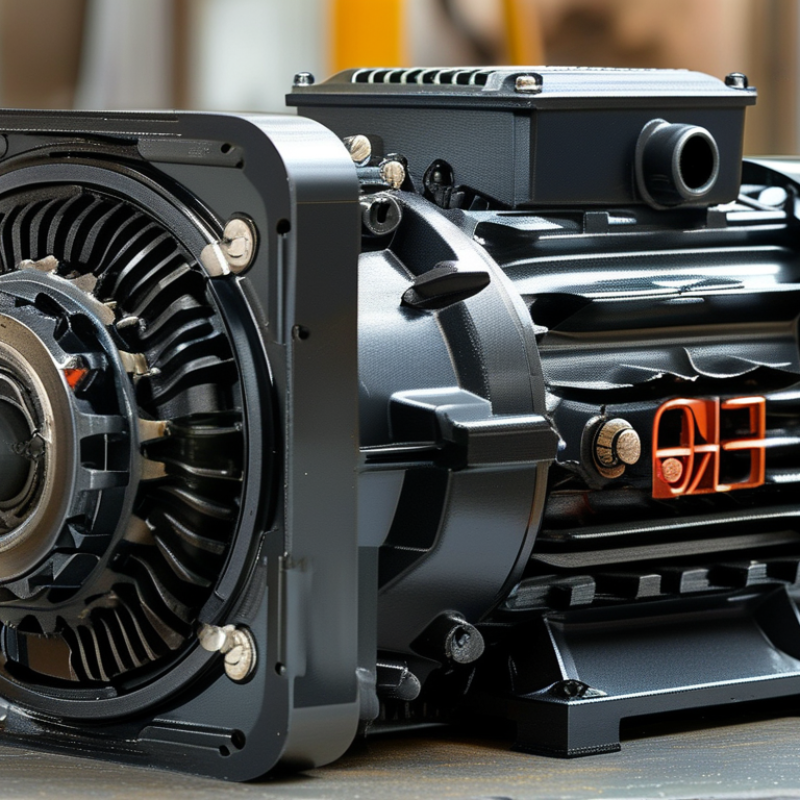
Understanding Shaded Pole Gear Motors for AC Applications
Shaded pole gear motors are unique components ideal for various AC applications. They are known for their simple construction and are often used in small fans, blowers, and pumps. The shaded pole design provides low starting torque, making them easy to operate in low-power situations. This design allows for more compact installations.
When choosing a shaded pole gear motor, consider the application’s requirements. Assess the load, speed, and torque needed for optimal performance. The motor's efficiency plays a crucial role in energy consumption. Be aware that these motors typically have lower efficiency compared to other types. Understanding the specific demands of your application can guide you in selecting the right motor.
One challenge with shaded pole motors is their heat generation. Excess heat can affect longevity and performance. Additionally, their range of speed control is limited. Users must reflect on whether these characteristics fit their needs. While these motors provide advantages in simplicity and cost, evaluating their suitability is essential for long-term success.
2026 How to Choose the Right AC Shaded Pole Gear Motor?
| Specification | Details | Importance |
|---|---|---|
| Voltage | 110V, 220V, 230V | Determines compatibility with the power supply. |
| Power Rating | 5W, 10W, 15W | Impacts efficiency and performance in applications. |
| Speed | 300RPM, 500RPM, 1000RPM | Affects how quickly the motor operates in its application. |
| Torque | Low, Medium, High | Critical for the loading capacity and reliability. |
| Environmental Rating | IP20, IP54 | Indicates the motor's resistance to dust and moisture. |
| Noise Level | 30dB, 40dB, 50dB | Impact on the operational environment and user comfort. |
| Application | Fans, Pumps, Compressors | Defines where the motor can be effectively utilized. |
FAQS
C shaded pole gear motor?
Power requirements, such as voltage and frequency, must align with local standards for efficient operation. Mismatches can cause issues.
Balancing power with physical dimensions is crucial. Oversized motors can complicate installation and reduce effectiveness.
Durable materials enhance lifespan and performance. Poor quality can lead to quicker degradation and failures.
Factors like temperature, humidity, and exposure to elements can affect the motor's longevity. Assess these conditions before selection.
Misalignment of the motor shaft is a frequent problem. It can lead to increased wear, causing premature motor failure.
Monitor the operating temperature closely. Adding ventilation or heat sinks can help if overheating occurs, preventing possible damage.
Loose connections can cause shorts, accounting for many motor issues. Ensure connections are secure and use the correct wire gauge.
Underestimating wire gauge can lead to performance losses. It may also increase the risk of overheating and reduced efficiency.
It's easy to overlook proper installation and environment assessment. Regular checks can help identify potential problems early.
Conclusion
This article provides a comprehensive guide to selecting the right AC Shaded Pole Gear Motor for various applications. It begins with an overview of shaded pole gear motors, explaining their unique characteristics and advantages in AC settings. Key factors to consider when making a selection include torque requirements, voltage specifications, and operating environment. The article also discusses the importance of efficiency ratings and performance metrics, helping readers understand how these elements affect overall motor performance.
Additionally, practical installation tips are shared, along with common issues that users may encounter with AC Shaded Pole Gear Motors. Finally, the article emphasizes maintenance practices that can significantly extend the lifespan of these gear motors, ensuring optimal operation and reliability. Overall, this guide serves as an essential resource for those looking to make informed decisions regarding AC Shaded Pole Gear Motors.
