Premium Mechanical Drive Solutions
Engineered for extreme reliability, precise angular holding, and low-speed, high-torque capabilities across Ontario's industrial sectors.
The Toronto Advanced Manufacturing & Automation Landscape
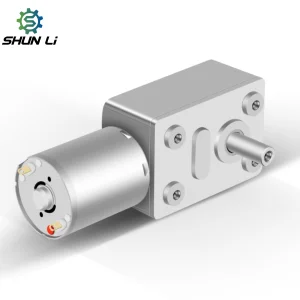
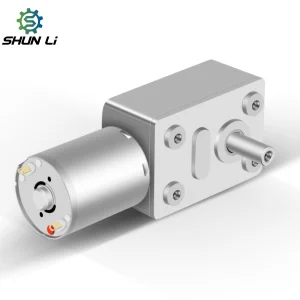
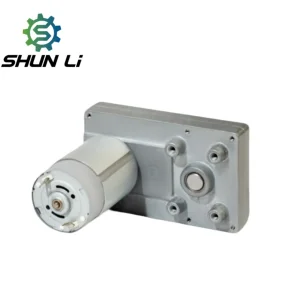
The Greater Toronto Area (GTA), encompassing industrial hubs like Mississauga, Brampton, Vaughan, and Markham, represents Canada's densest cluster of advanced manufacturing. The regional demand for reliable, high-precision motion control is accelerating. From automated sorting warehouses along the Highway 401 corridor to custom food packaging plants and advanced robotics developments in downtown tech hubs, manufacturers are moving away from traditional, bulky AC geared motors. The transition is heavily favoring compact, low-voltage DC Worm Gear Motors.
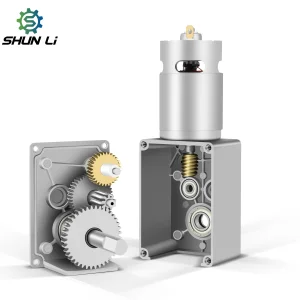
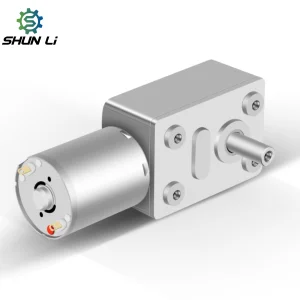
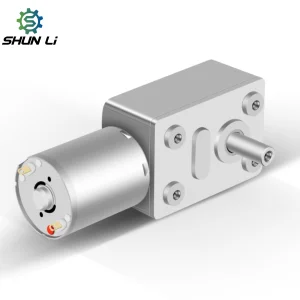
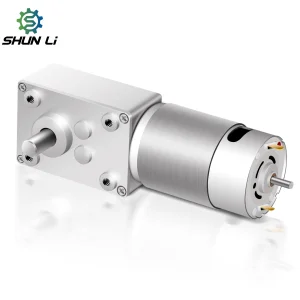
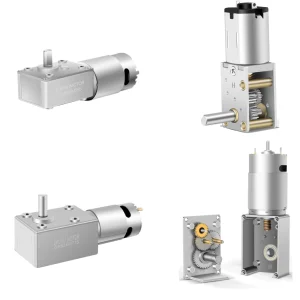
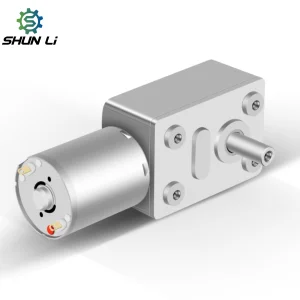
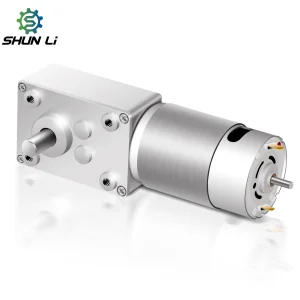
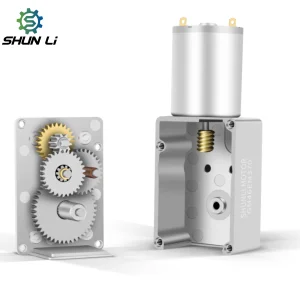
These specialized right-angle drives are critical when linear footprint constraints restrict inline planetary assemblies. The intrinsic mechanical architecture of the worm gear configuration—providing massive reduction ratios in a singular stage and yielding high static self-locking forces—makes it ideal for applications requiring safe holding capabilities without the additional weight, cost, and energy draw of electromagnetic brake modules.
Why Procurement Teams in Ontario are Re-evaluating Supply Chains
Sourcing components within Canada has traditionally involved layers of regional distributors, resulting in substantial markup costs and significant barriers to engineering collaboration. For OEMs developing cutting-edge robotics, automated laboratory equipment, or smart building technologies, obtaining custom shaft shapes, custom gear ratios, or specialty low-temperature lubricants often introduces months of delays.
Direct-from-factory collaboration bypasses these structural pain points. By bridging the engineering gap between direct factory execution in China and localized application requirements in Ontario, Canadian enterprises gain immediate access to CAD design validation, rigorous compliance certifications (UL, CSA, CE), and major cost-reduction opportunities.
Mechanical Engineering Principles of Worm Gear Motors
A technical examination of gear reduction efficiency, thermal properties, and operational parameters for system design engineers.
1. The Physics of Self-Locking Capabilities
The primary advantage of a worm gear configuration is its mechanical self-locking feature. This occurs when the lead angle of the worm thread is smaller than the friction angle between the worm screw and the worm gear tooth surfaces. In industrial applications, this allows the gearbox to hold its load safely even when the motor's power supply is cut. For instance, in automated building entry systems or vertical cargo lifts, this self-locking property functions as an integrated safety stop, preventing backdriving under heavy loads.
It is important to note that dynamic vibrations can reduce static friction. When specifying motors for high-vibration environments, engineers should consider incorporating secondary holding mechanisms or dynamic braking resistors.
2. Torque Density vs. Efficiency Tradeoffs
Unlike planetary or spur gears, which rely on rolling contact, worm gearboxes rely primarily on sliding friction. This permits high gear ratios (e.g., 50:1 up to 100:1) within a compact single stage, but reduces efficiency compared to rolling contact gears. While a spur gearbox can achieve up to 95% efficiency, a high-ratio worm gear system operates closer to 40%-70% efficiency.
To mitigate the heat generated by sliding friction, our factory utilizes high-grade phosphor bronze worm wheels paired with hardened steel worm shafts, optimizing heat dissipation and wear resistance.
3. Overcoming Canada's Cold Temperature Operations
For outdoor machinery, access control gates, and agricultural equipment in Ontario, sub-zero winters present distinct mechanical challenges. Standard mineral-based greases can undergo a severe increase in viscosity at temperatures down to -30°C. This increase in grease stiffness can prevent the motor from starting up, triggering overcurrent protection limits.
Our engineering team solves this issue by offering custom synthetic low-temperature lubricants (such as Mobilith SHC series). These lubricants maintain consistent viscosity down to -40°C, ensuring reliable startup torque (Locked Rotor Amps) and long-term gearbox health in harsh outdoor conditions.
| Feature Parameter | Spur Gear System | Worm Gear System | Planetary System |
|---|---|---|---|
| Shaft Orientation | Inline / Parallel | 90-Degree Right Angle | Inline |
| Self-Locking | No | Yes (High Ratios) | No |
| Single Stage Ratio | Low (up to 6:1) | High (up to 100:1) | Medium (up to 10:1) |
| Efficiency Range | 90% - 95% | 40% - 75% | 80% - 90% |
ApexMicro: Factory-Direct Micro Motors Engineered for Zero-Defect Performance
Our direct-to-enterprise model eliminates communication barriers and provides fully customizable motion control solutions direct to your assembly line.
Tired of trading company markups, communication gaps, and inconsistent batch quality in your motion control supply chain? ApexMicro is the transparent, direct-from-source China factory you’ve been looking for. We engineer and manufacture world-class precision micro drives directly from our manufacturing floors to your global assembly lines under strict, repeatable quality control.
The ApexMicro Pillars of Trust:
- 20+ Years of Manufacturing Integrity: Deep industry heritage since 2006, ensuring stable automated production lines and long-term supply security.
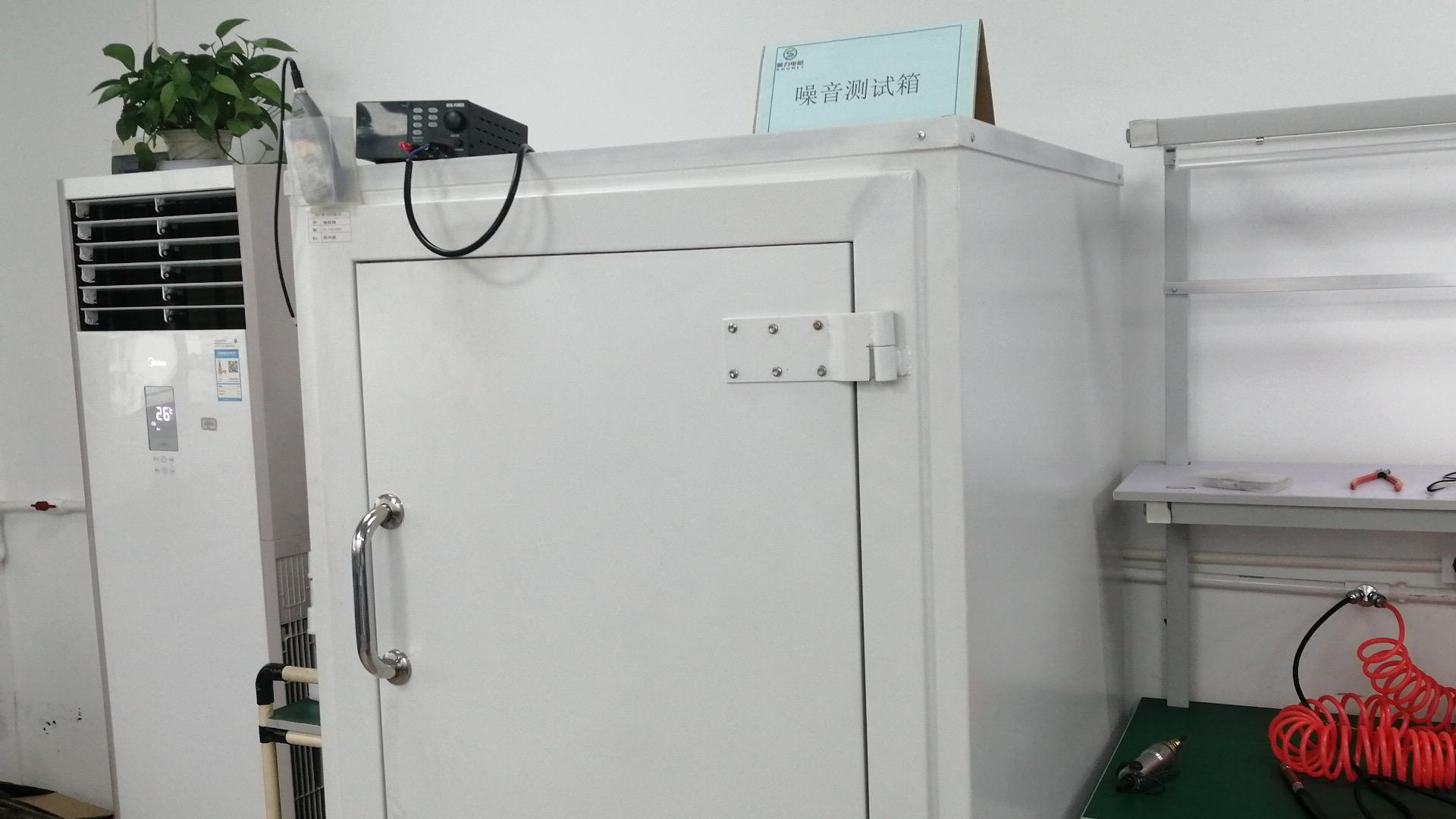
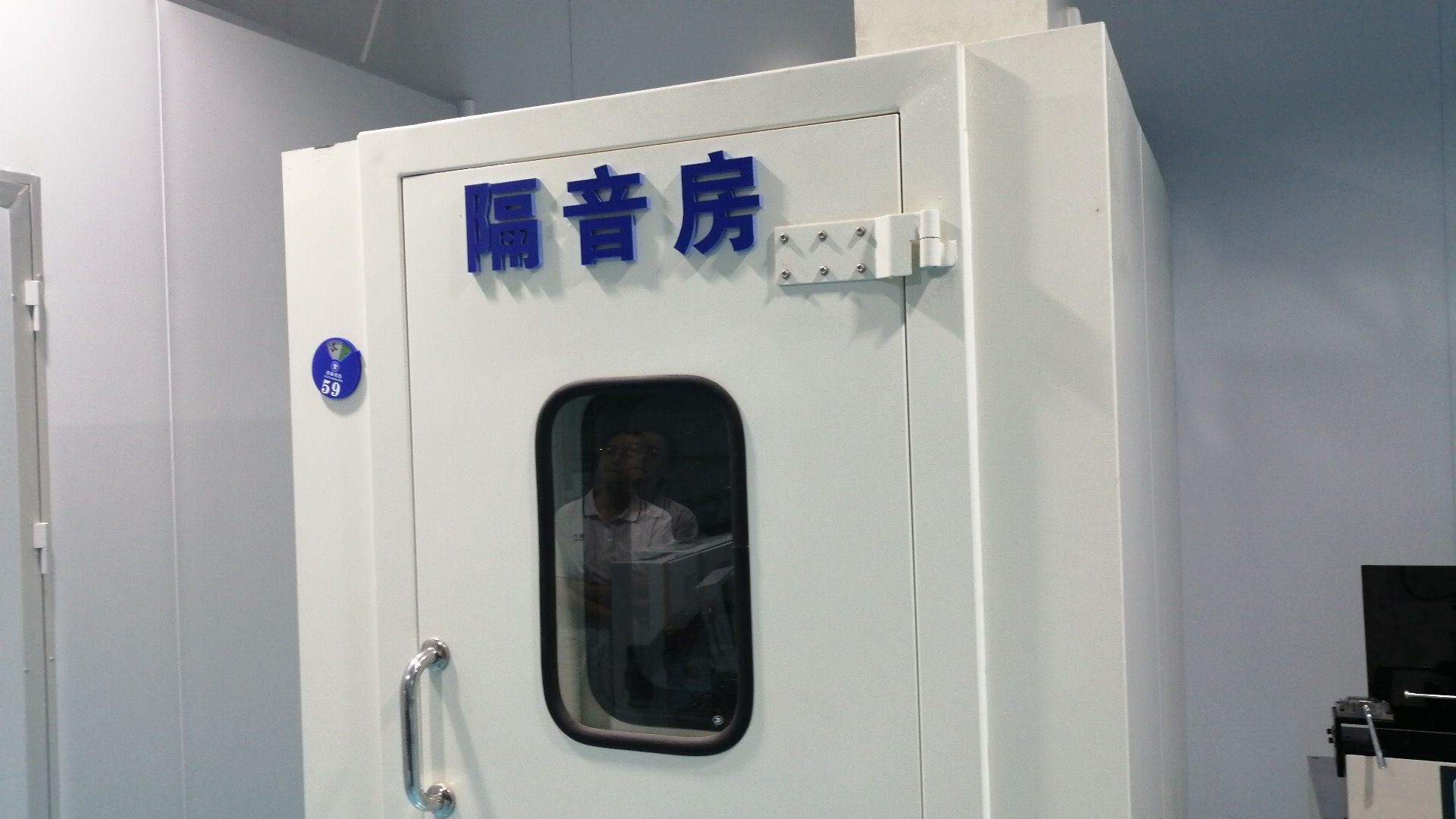
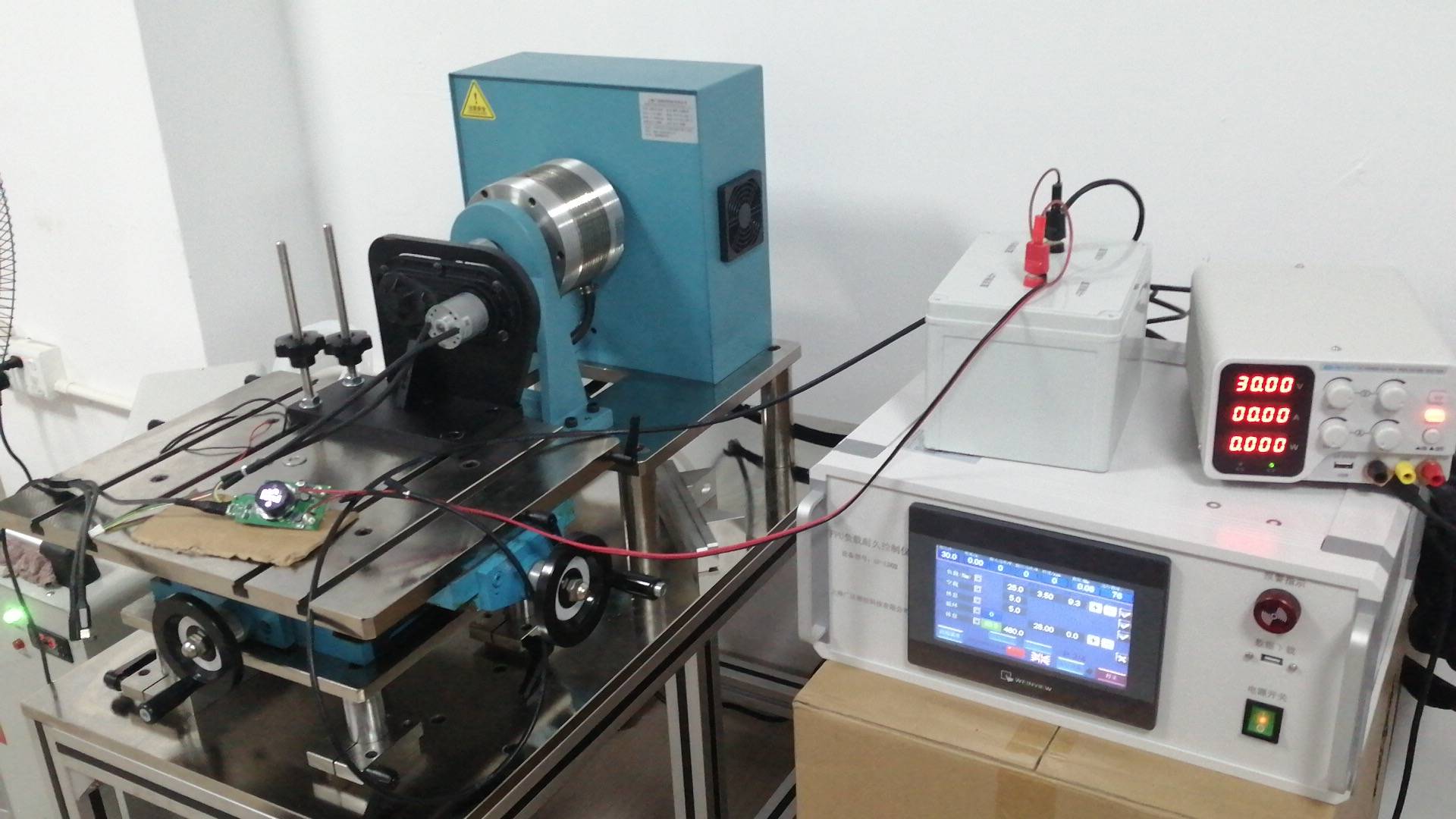
- 100% In-House Loading Tests: Every single motor is subjected to automated dynamic balancing and acoustic tests under real industrial loads before leaving our dock.
- Agile Custom Prototyping: We don't shrink away from non-standard blueprints. We rapidly customize custom shafts, integrated encoders, and specialized gearheads to fit your device housing perfectly.
- Global Compliance Built-In: Our state-of-the-art ecology runs fully compliant with international ISO9001, CE, RoHS, and REACH safety standards.
Production Excellence Showroom

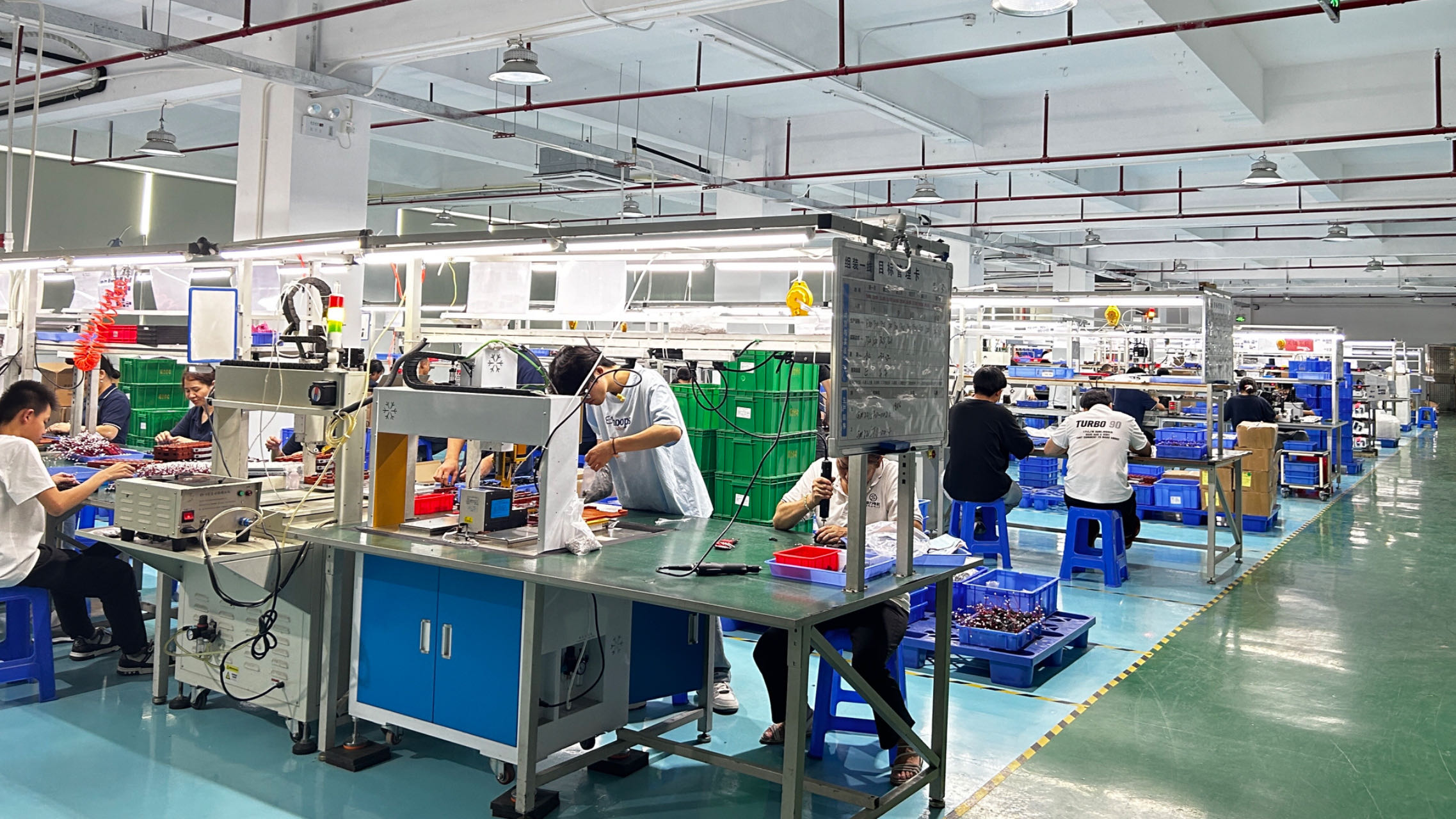
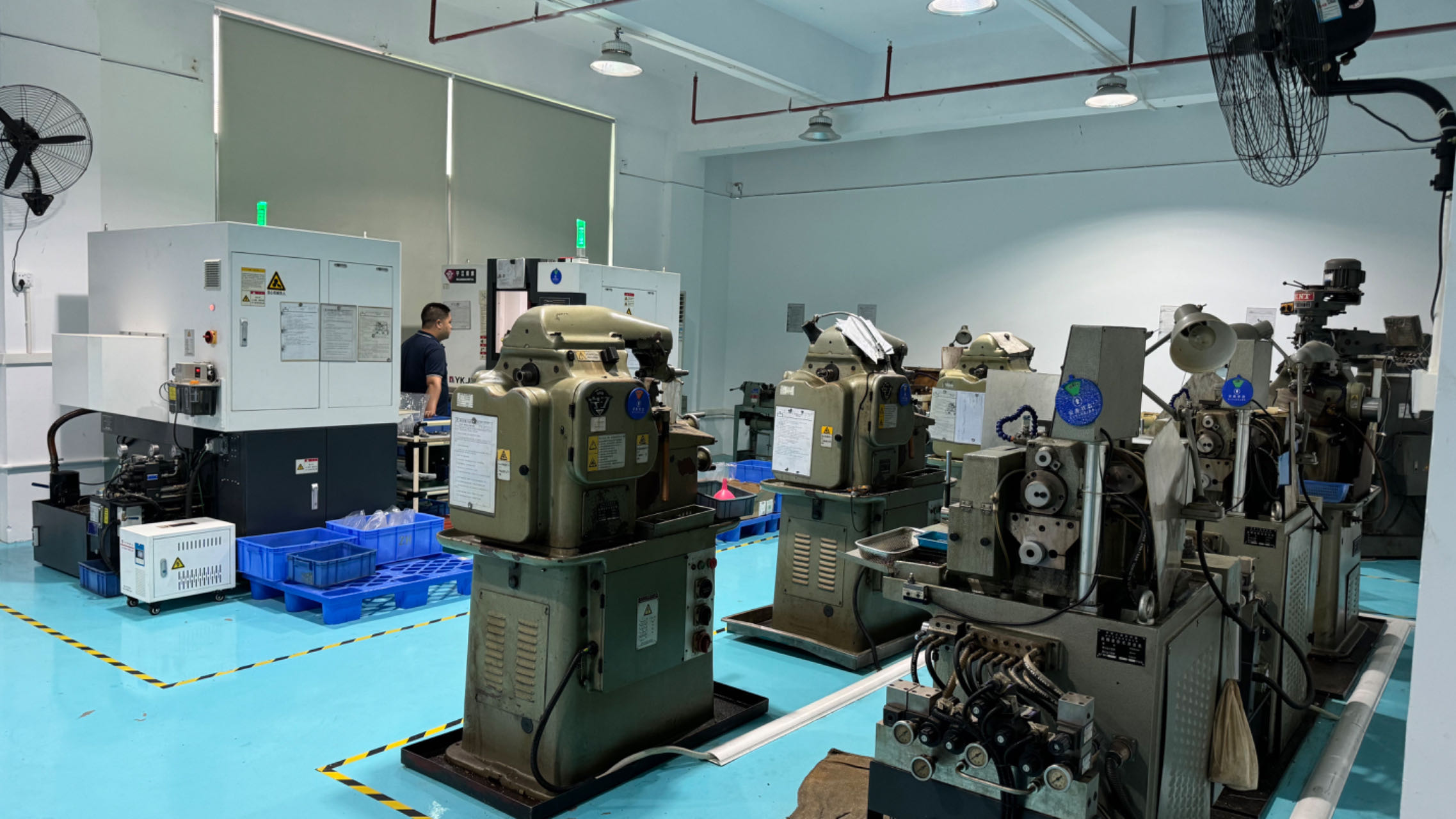
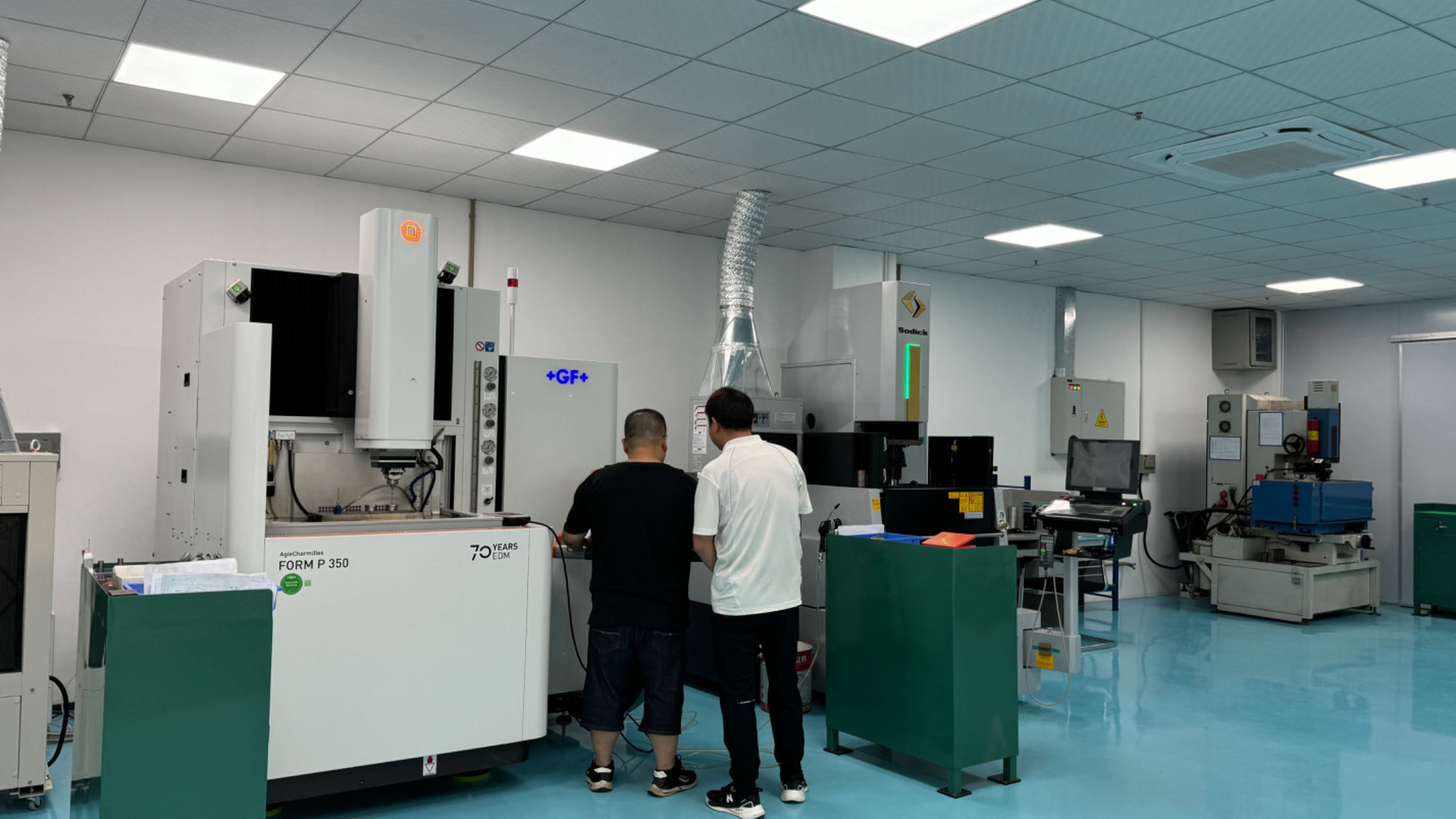
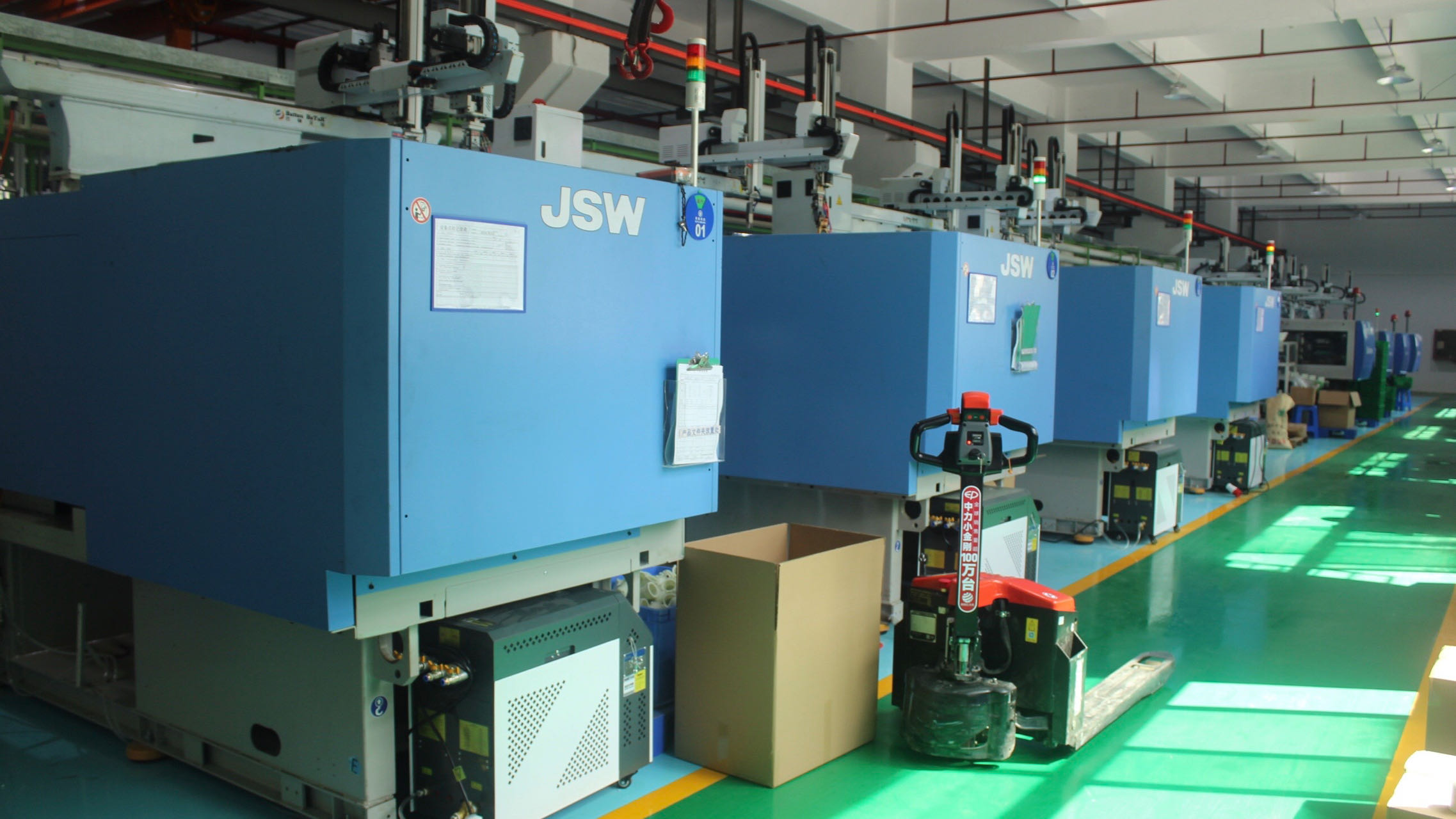
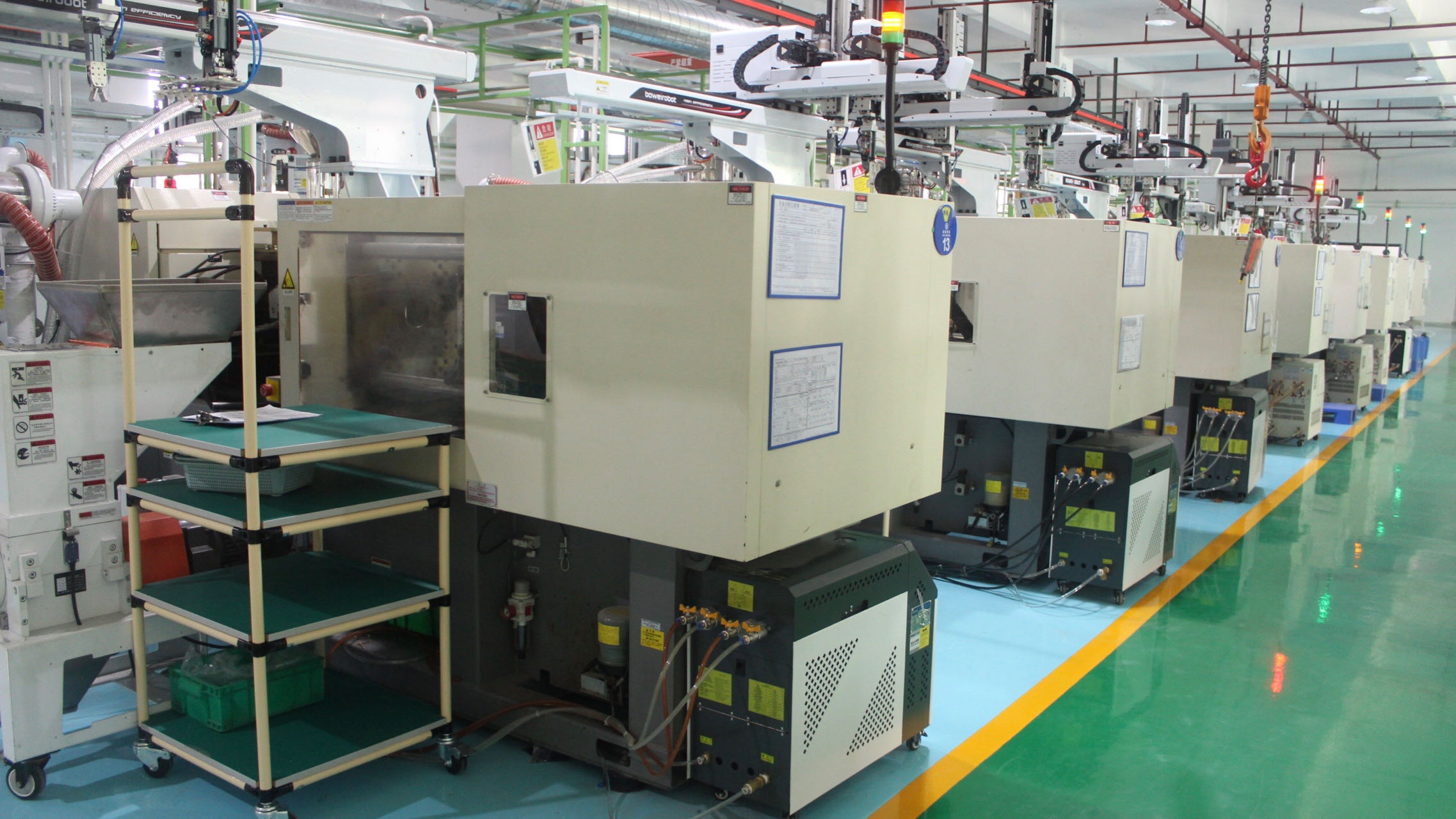
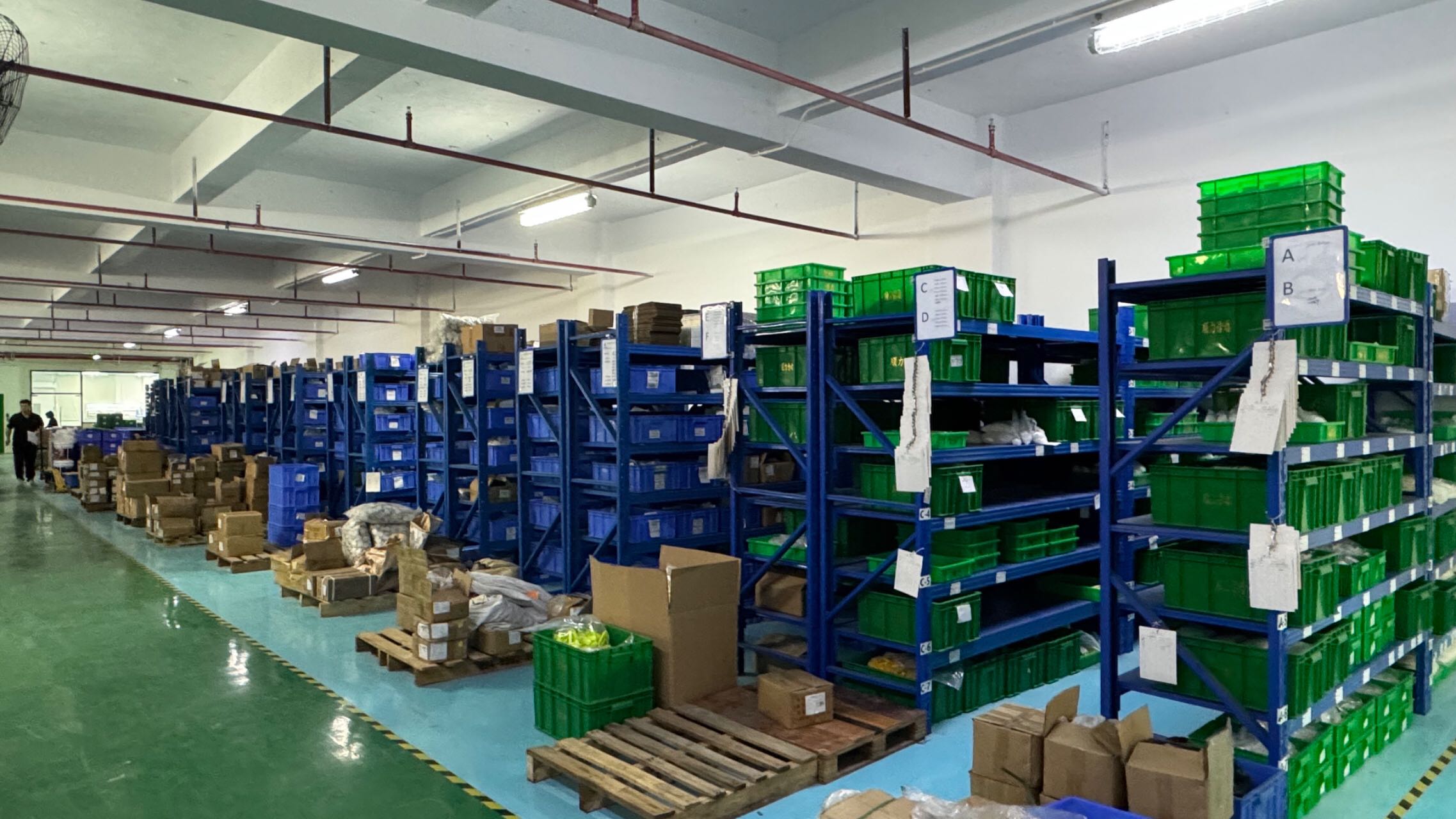

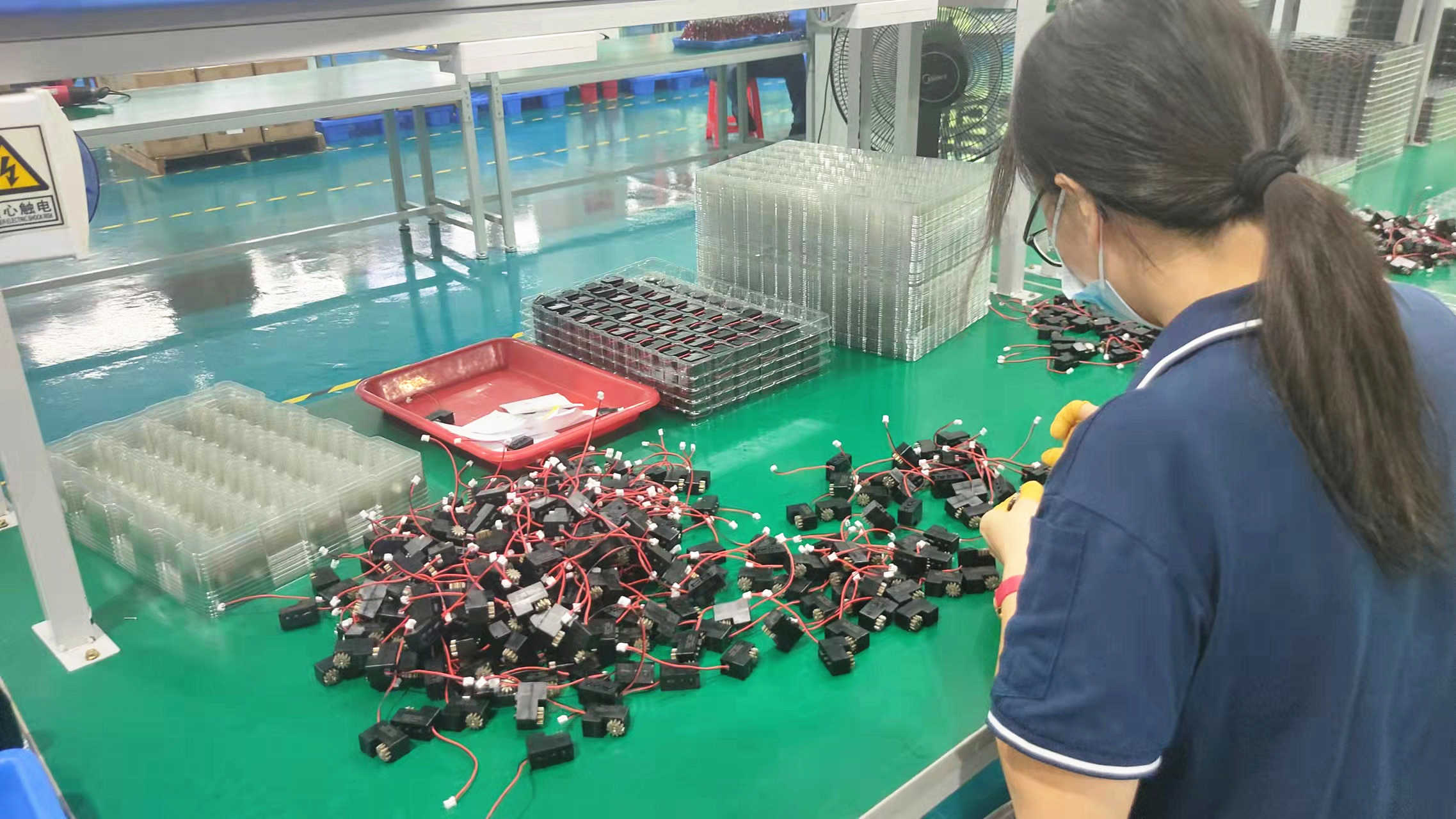
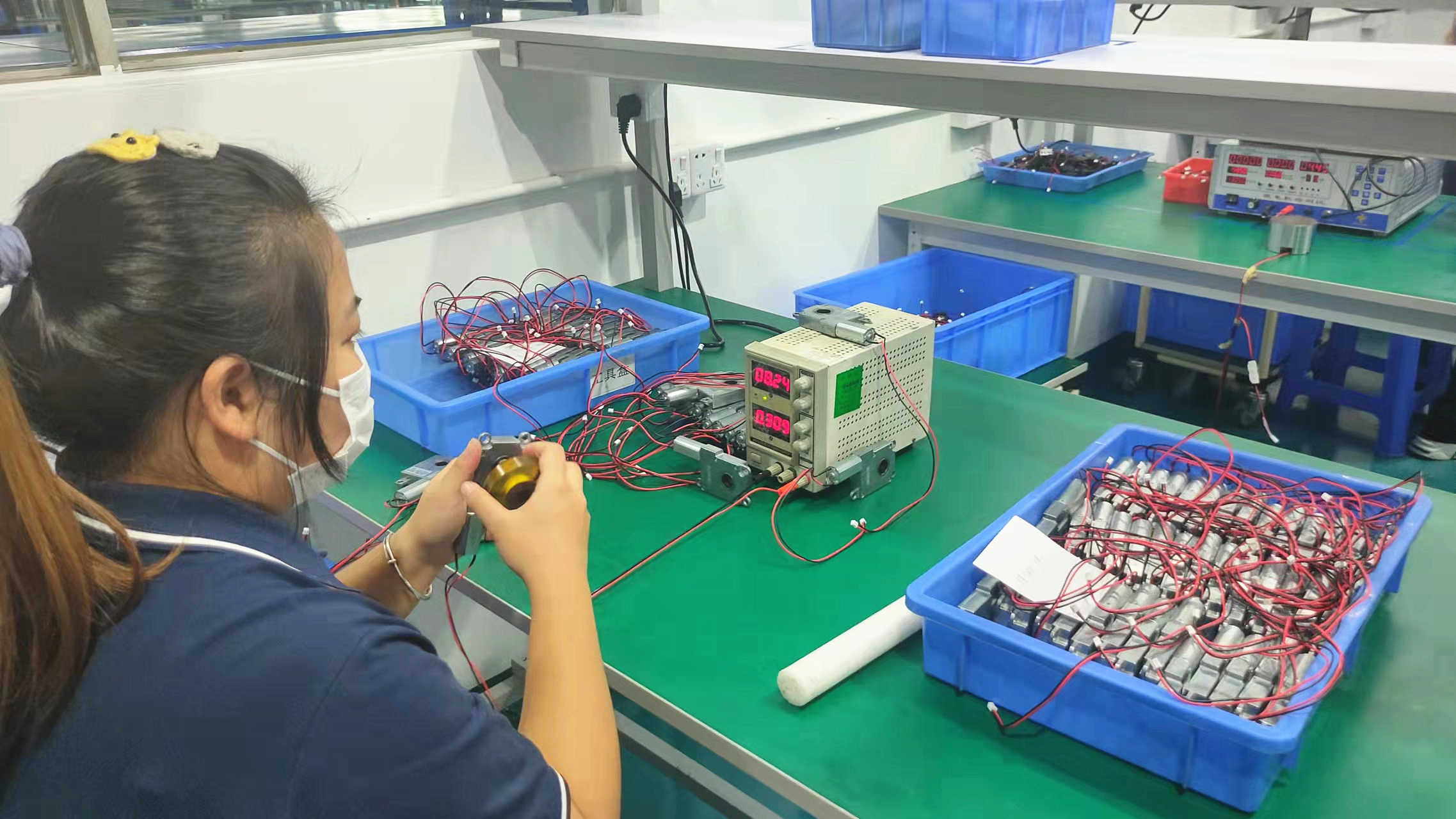
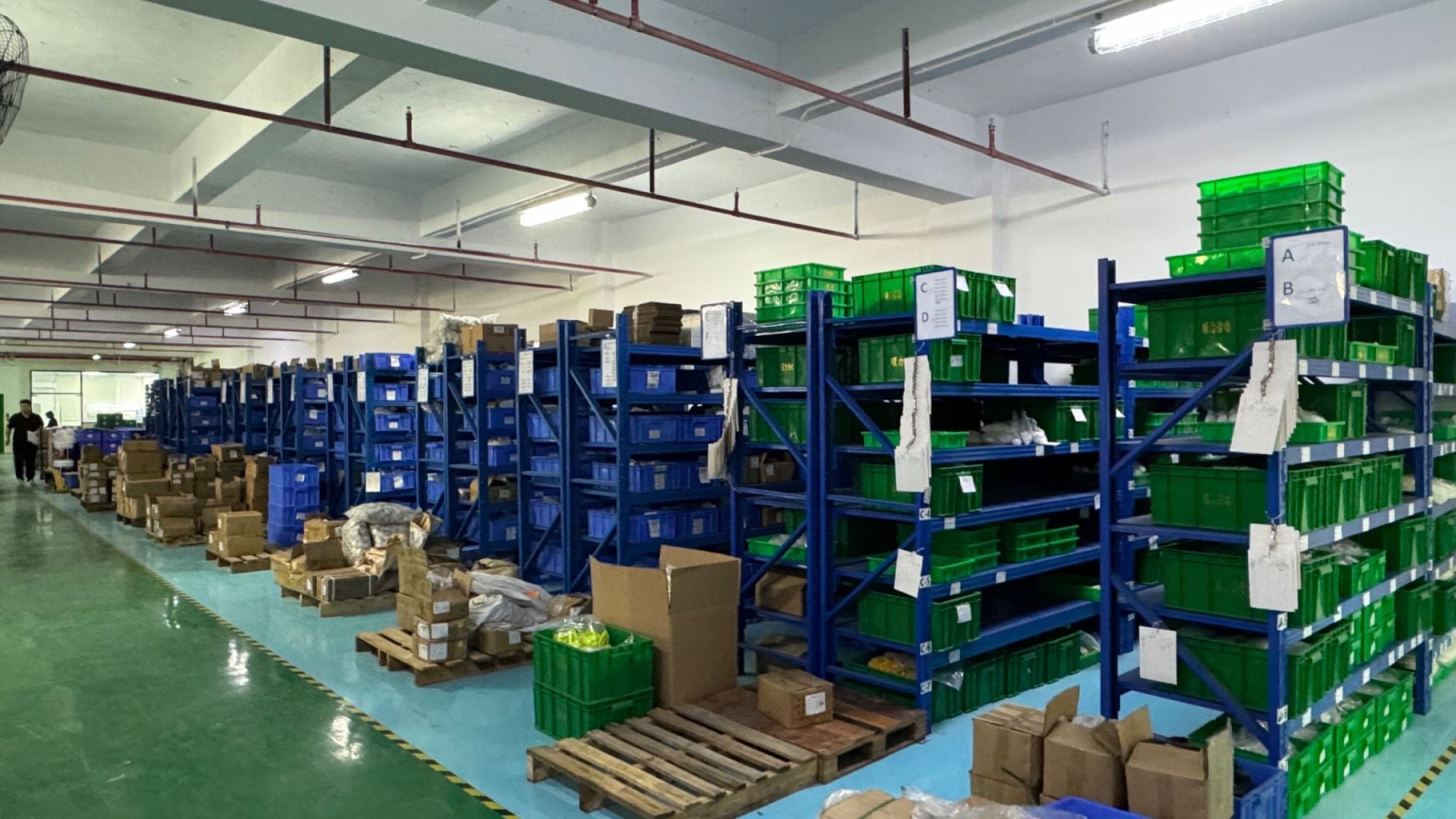
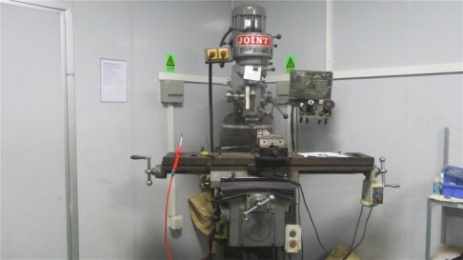
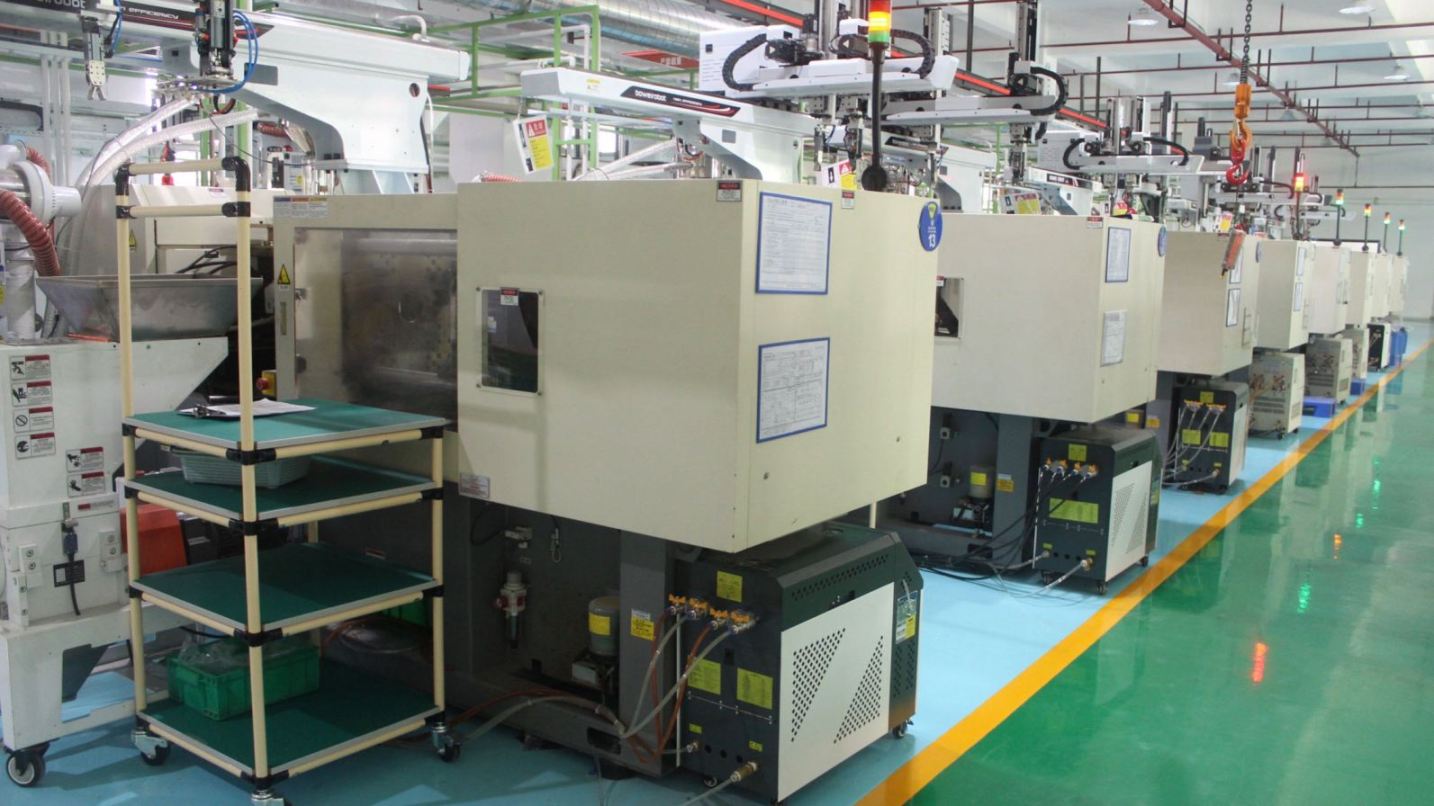
Production Workflow & Specialized Machinery
Take a closer look at our machinery, processing stages, and testing departments.
Production Workflow Stages
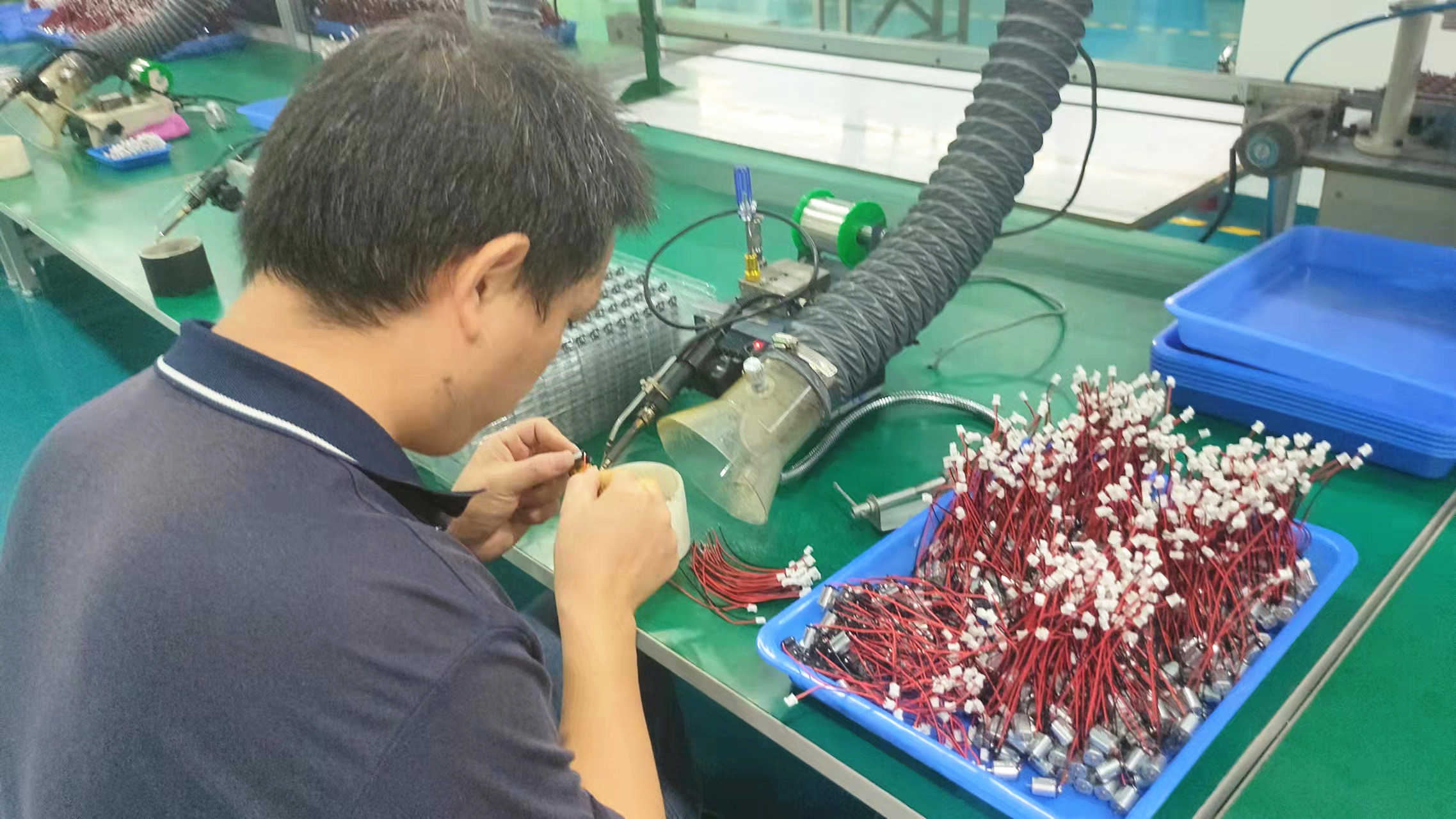
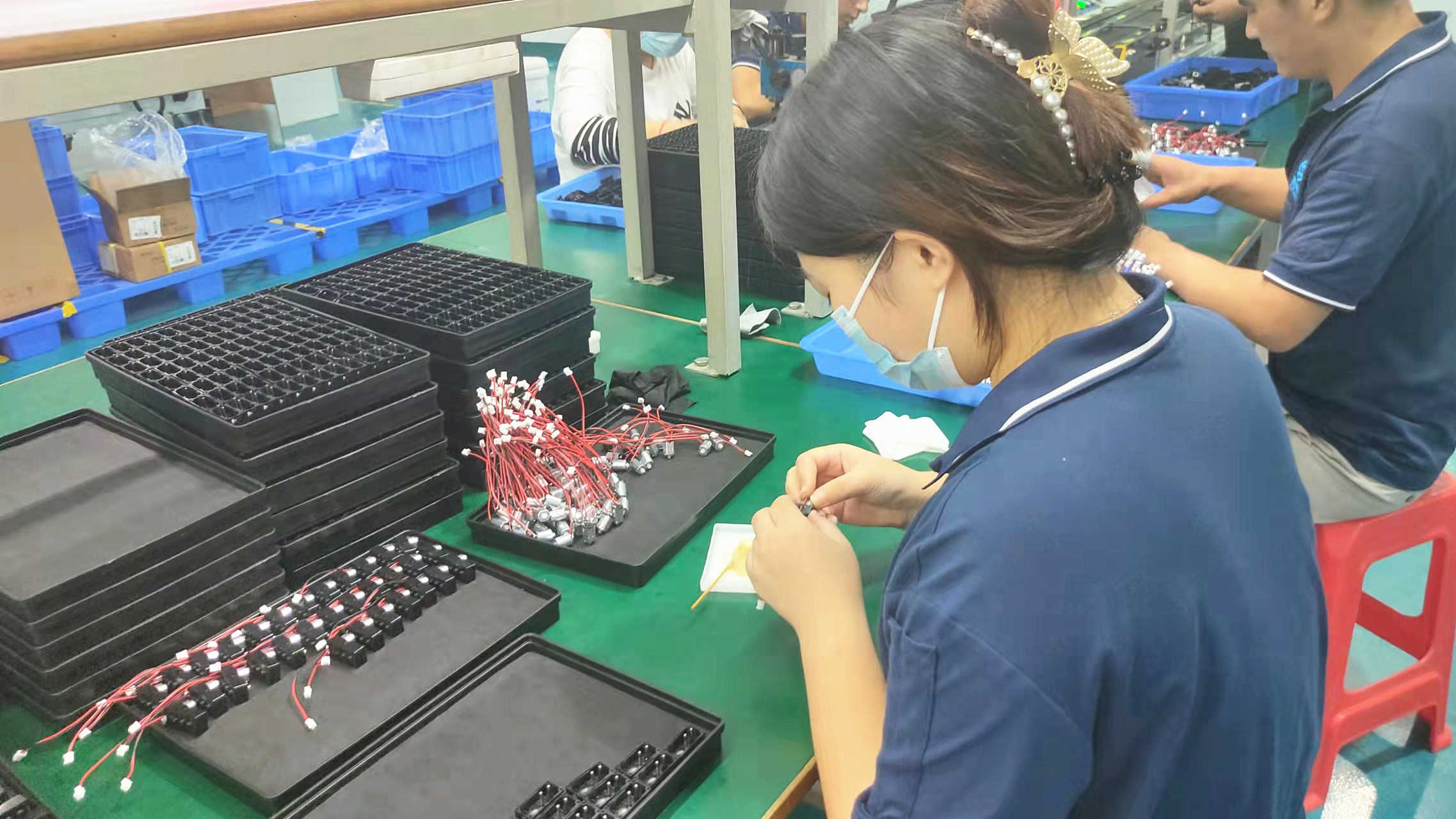
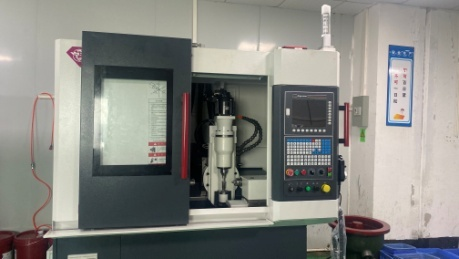
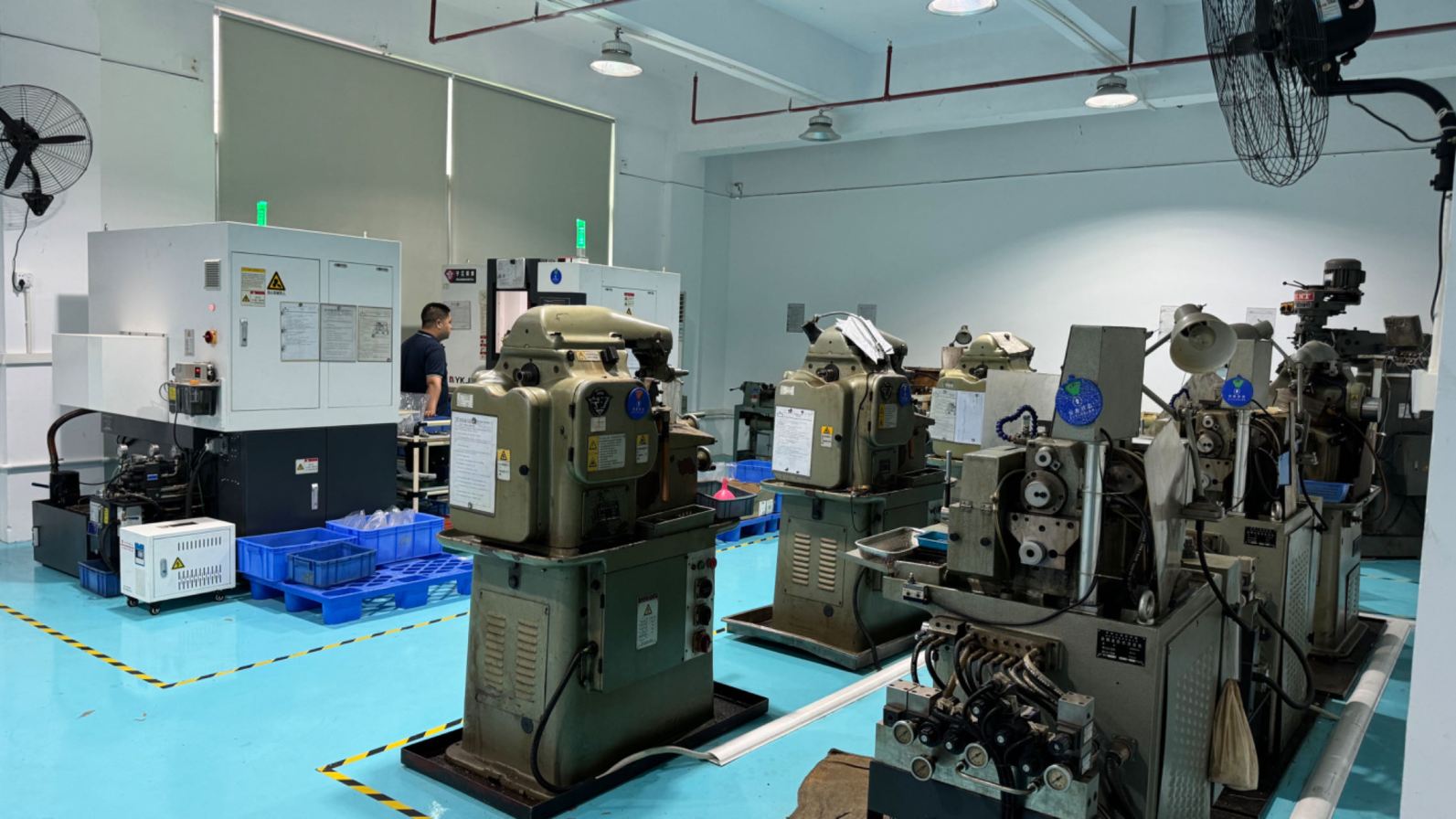
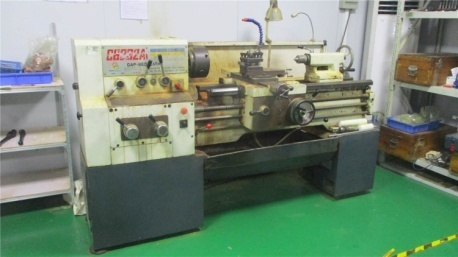
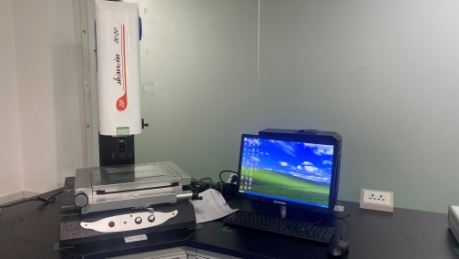
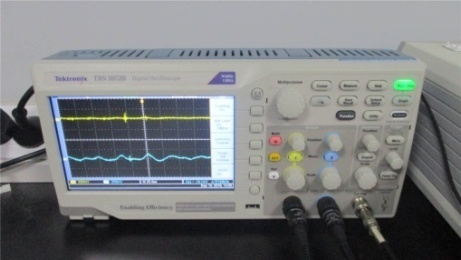
Machining Center & Metrology Laboratory
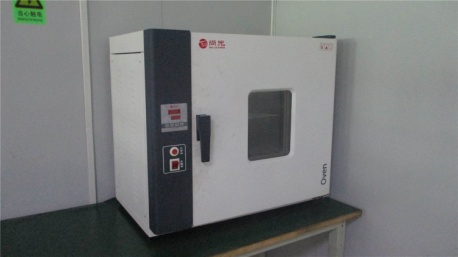
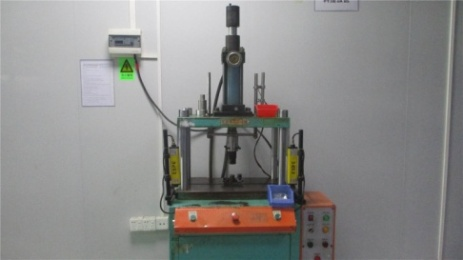
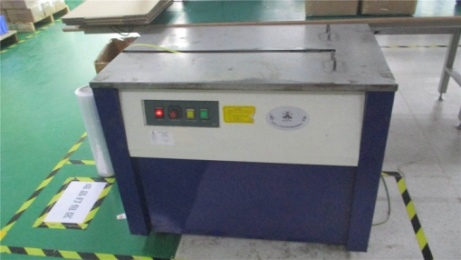
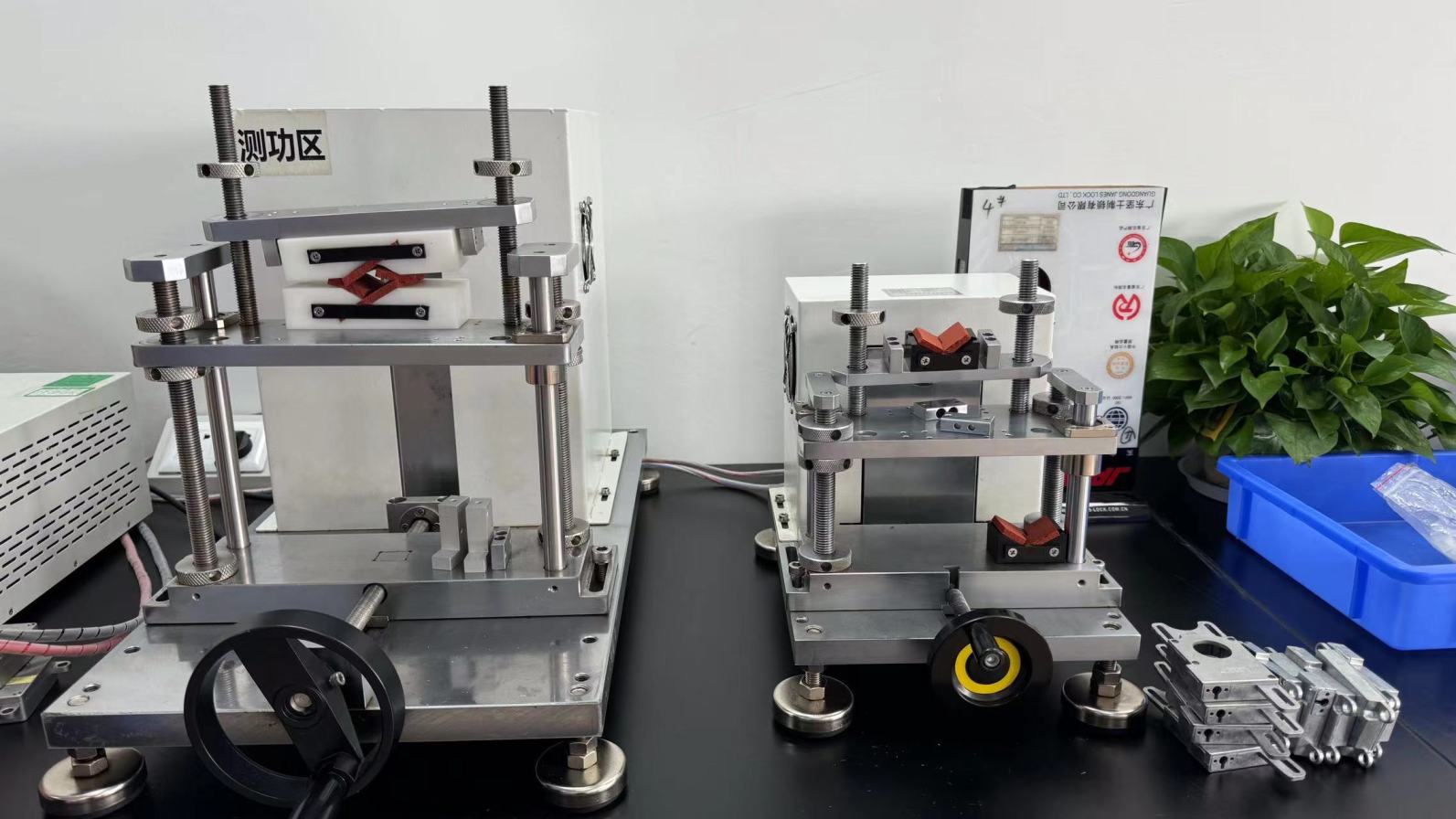
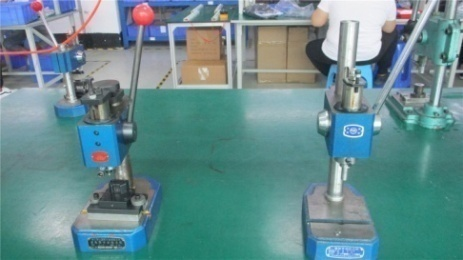
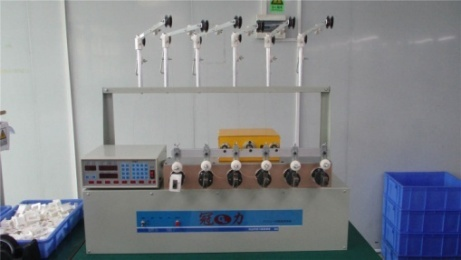
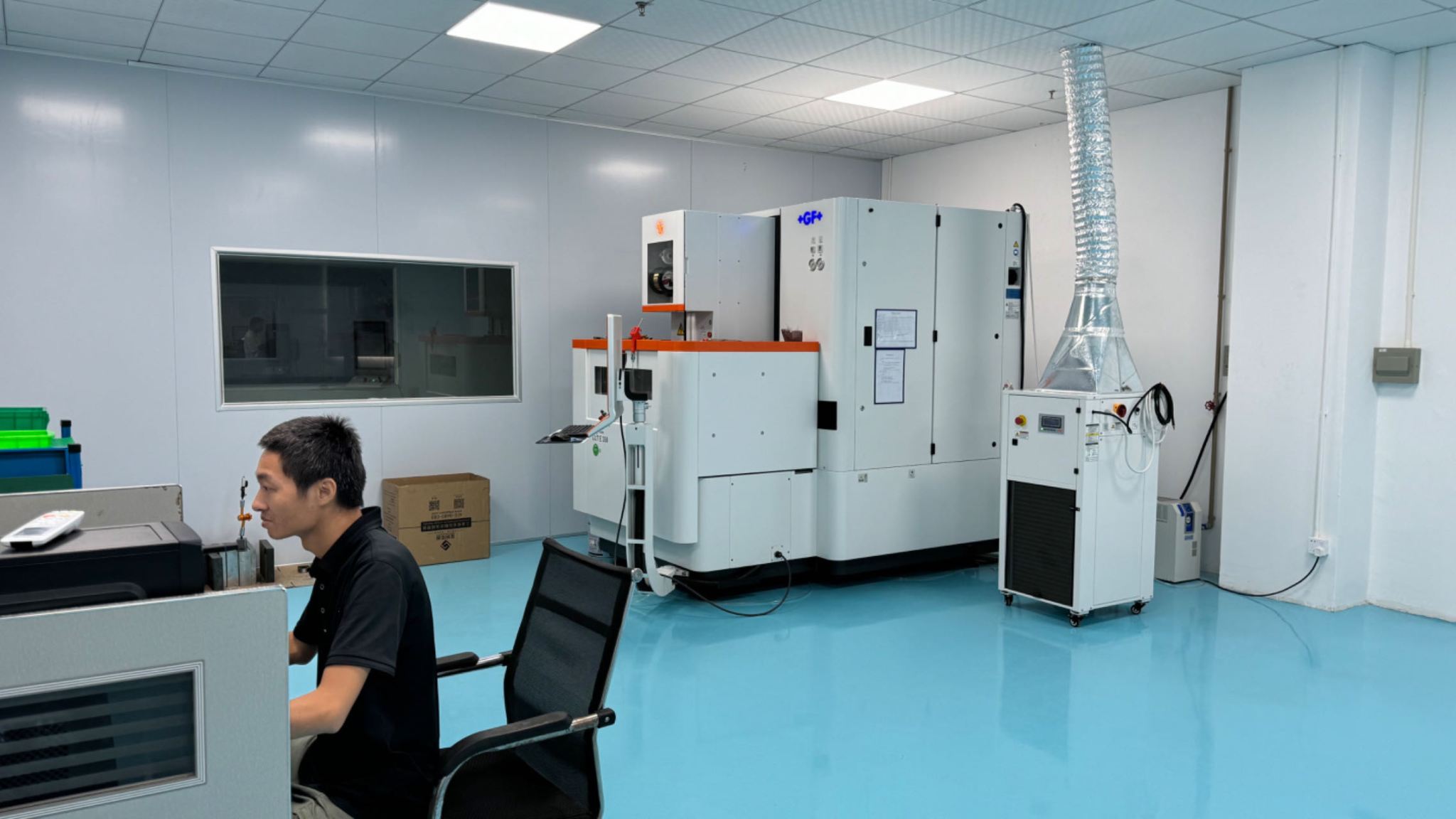
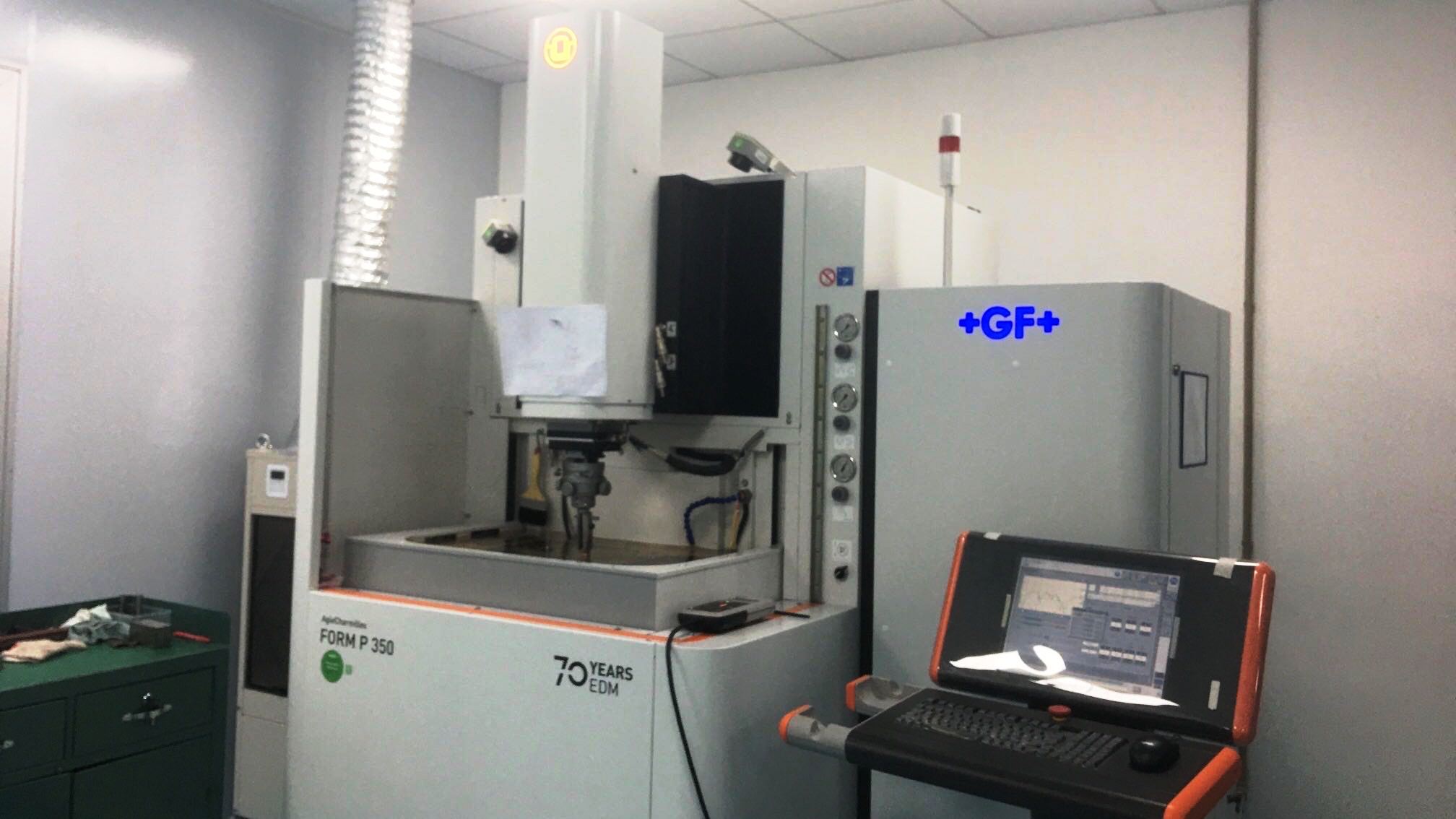
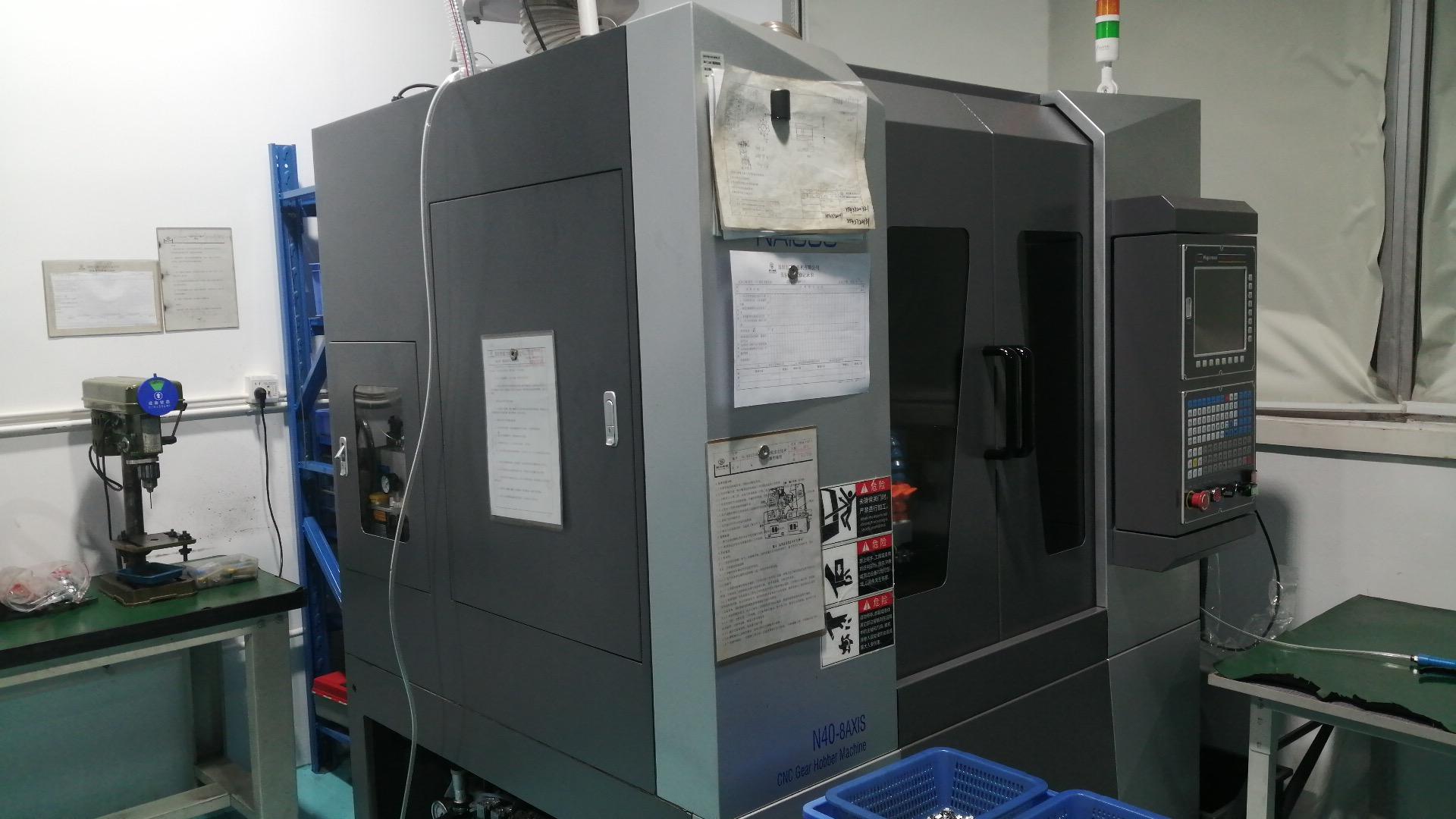
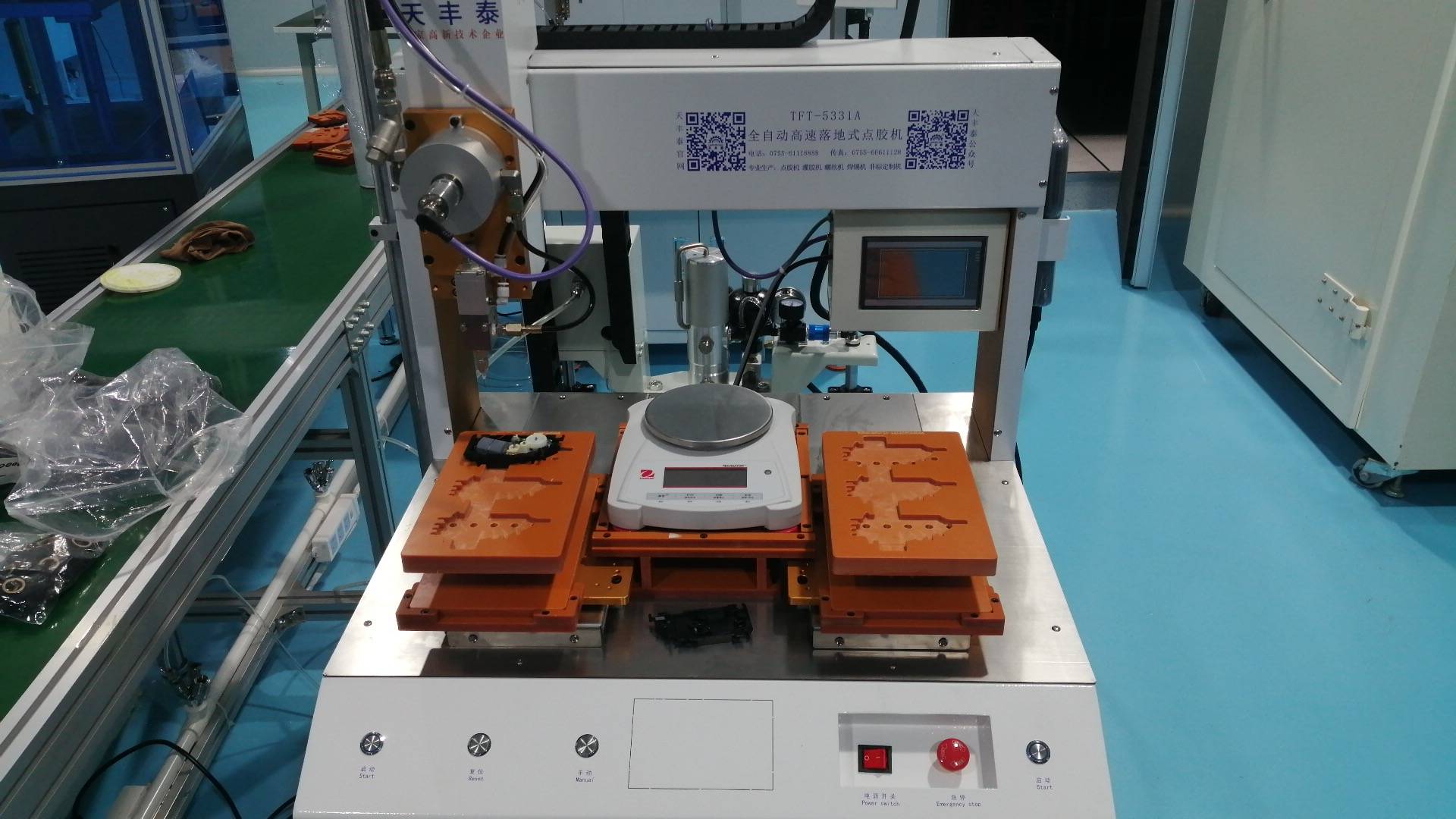
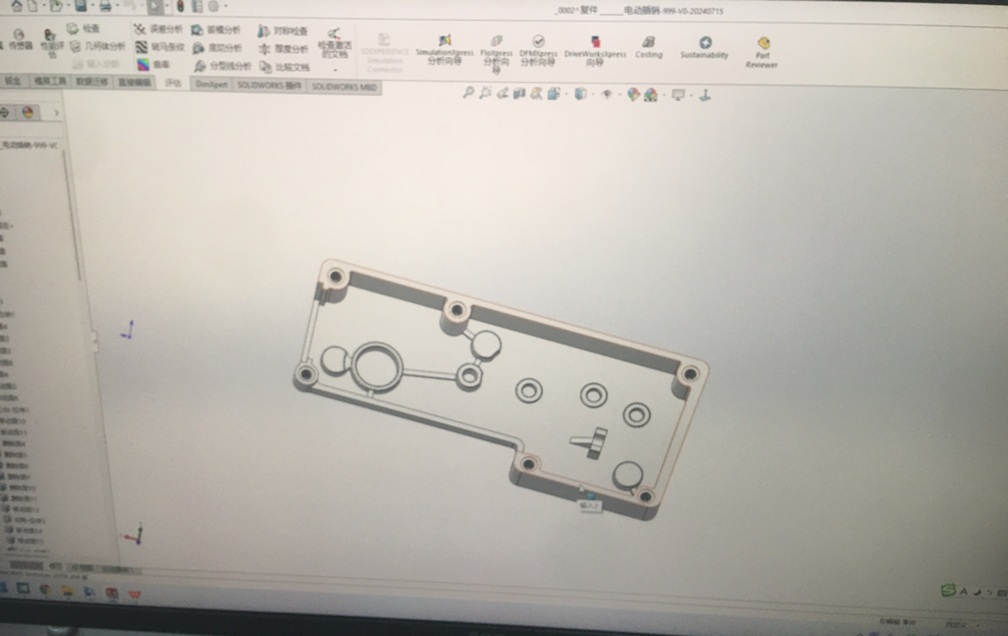
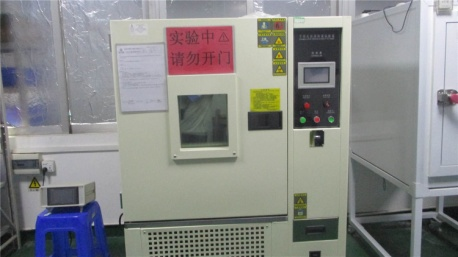
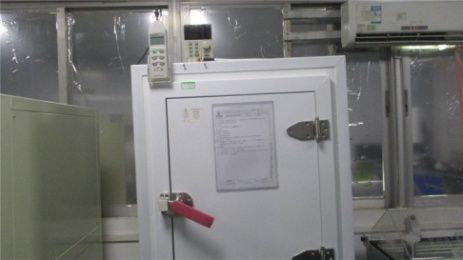
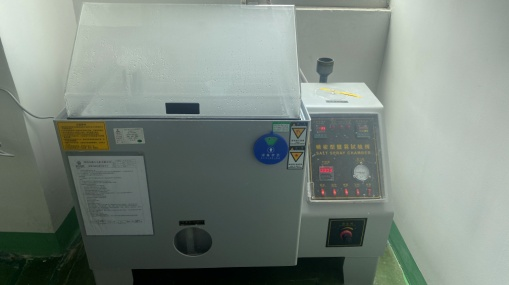
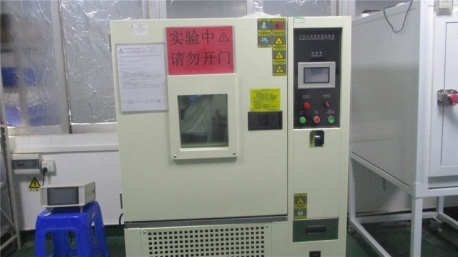
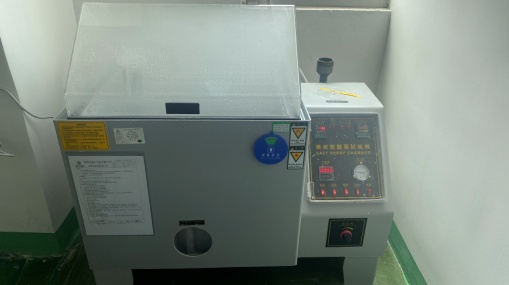
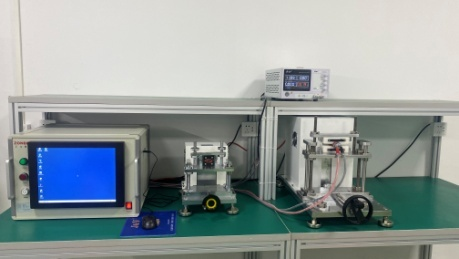
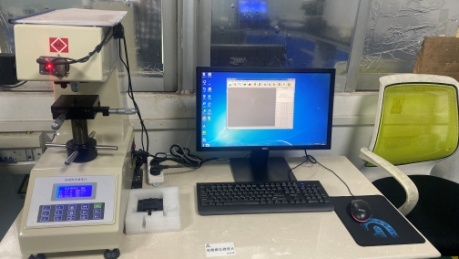
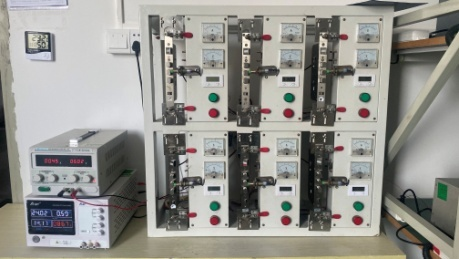
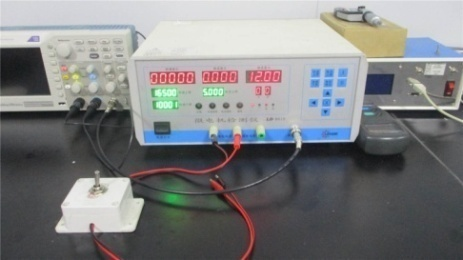
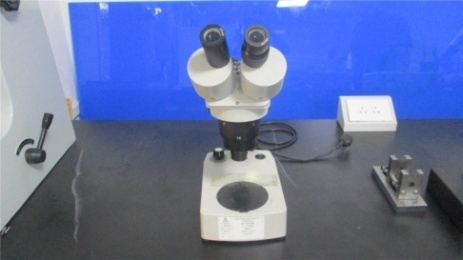
Metrology & Quality Assurance Laboratory
Testing equipment used to verify design tolerances and long-term durability parameters.
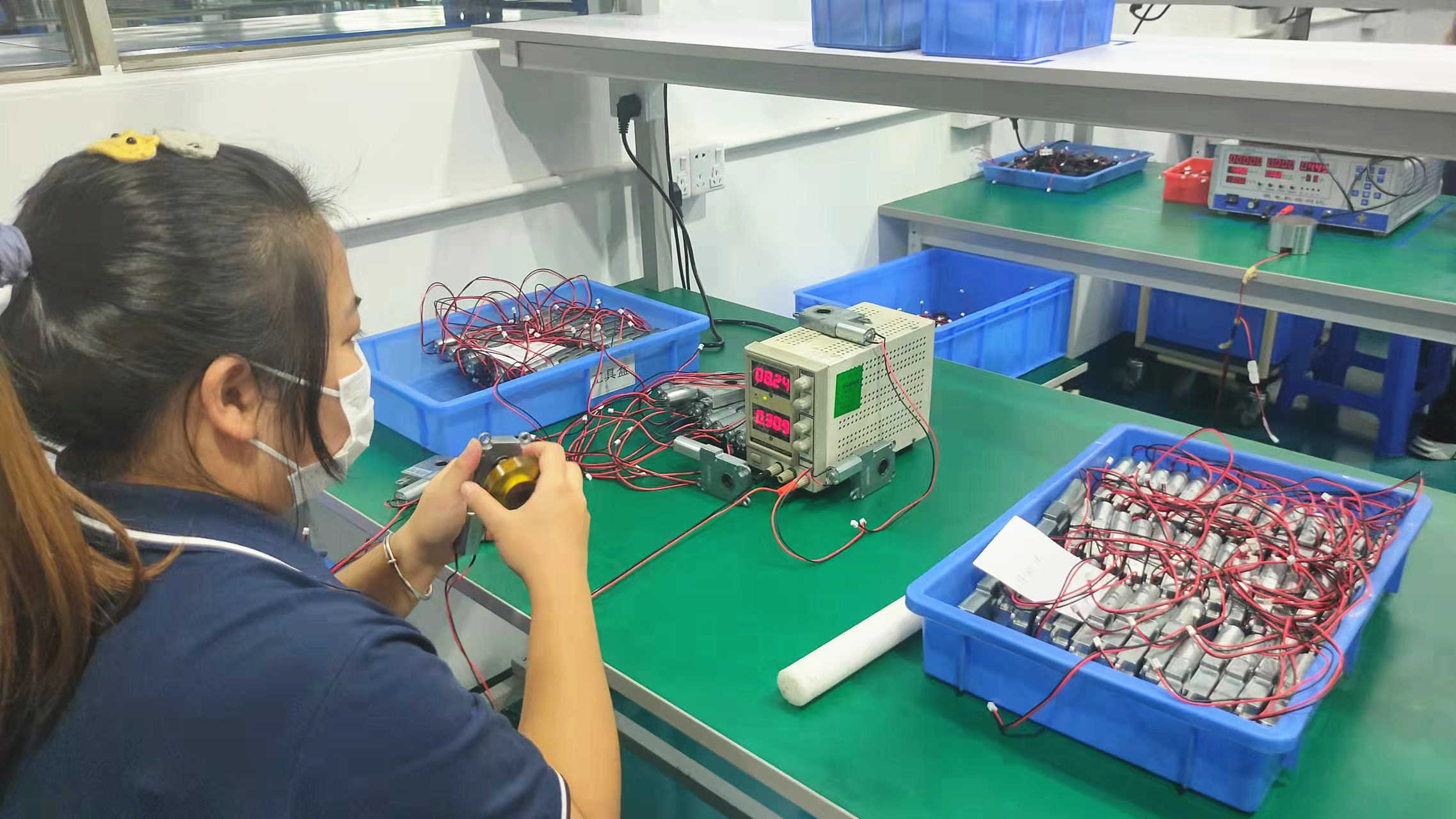
Custom Integration Scenarios in the Toronto Market
Examining how high-torque right-angle worm motors solve mechanical challenges in local applications.
Automated Retail & Vending Terminals
Toronto's commercial spaces, transit centers, and medical hubs depend heavily on automated dispensing systems. The self-locking properties of worm gearboxes prevent tamper attempts on product dispensers, while high-torque capabilities allow reliable delivery of heavier items.
Packaging & Conveyor Diversion
Processing centers in Mississauga and Brampton utilize our 12V/24V worm gear motors to power conveyor sorting gates. The right-angle footprint saves space on conveyor lines, while the high dynamic startup torque handles continuous stop-start sorting cycles.
Building Climate & Valve Control
Commercial HVAC damper controllers and water distribution systems in modern GTA high-rises utilize flat worm motors. Their high gear ratios and low power draw allow precise control over air valves and fluid pipelines, ensuring stable heating and cooling.
Technical Q&A: Worm Gear Motor Specification & Deployment
An engineering guide to designing, integrating, and troubleshooting right-angle worm drives in industrial machinery.
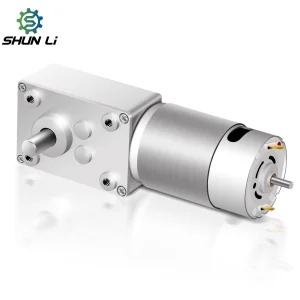
Complete Engineering Catalog
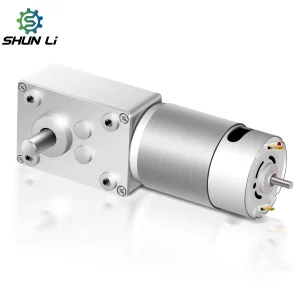
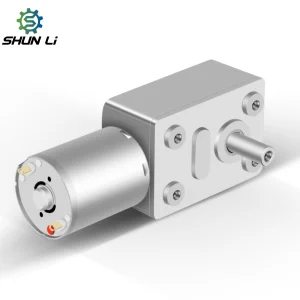
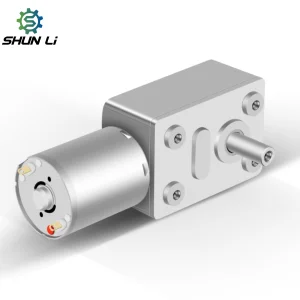
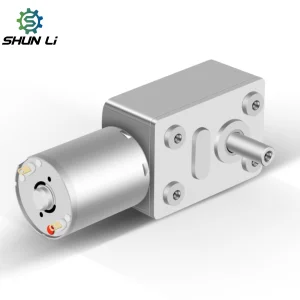
Explore our full range of customizable low-voltage DC worm gear motors, available direct-from-factory for Toronto area distributors and OEMs.
Connect Directly with Our Engineering Team
Looking for a custom shaft, special gear ratio, or low-temperature lubrication package for your next project in the GTA? Contact our engineers today to review your 3D CAD files and request rapid prototypes.
Send Inquiry Now