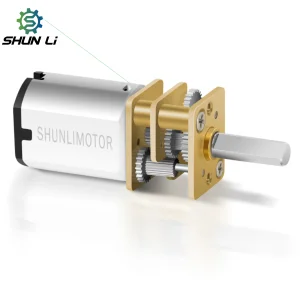
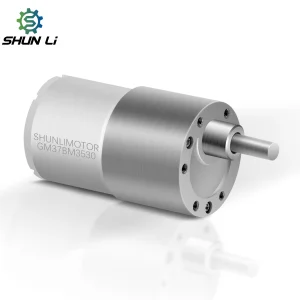
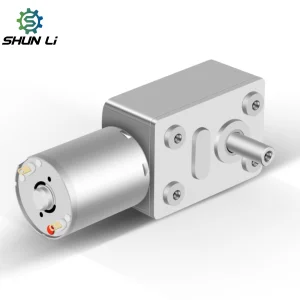
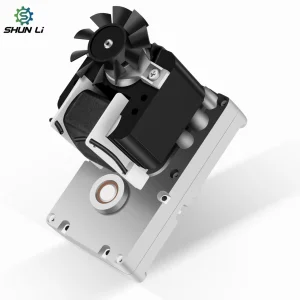
Featured Precision Drives & Actuators
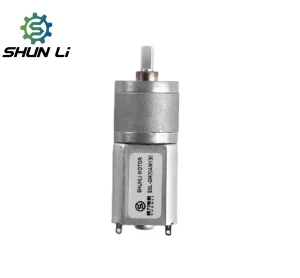
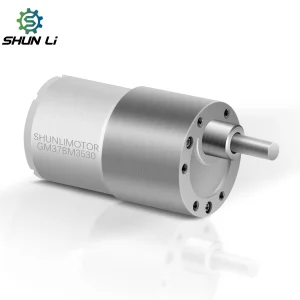
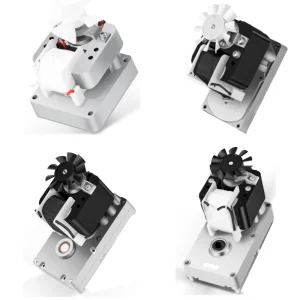
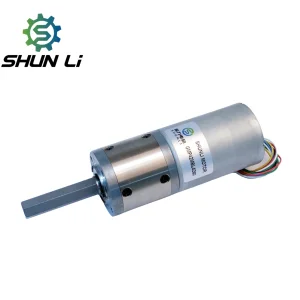
High-torque micro-reduction units, custom planetary modules, and worm-drive platforms engineered to exact application specs.
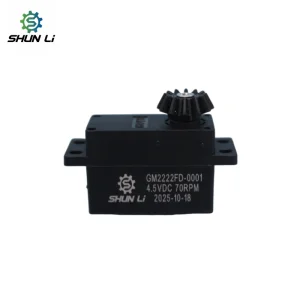
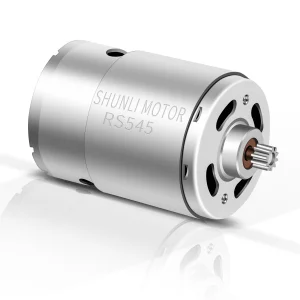
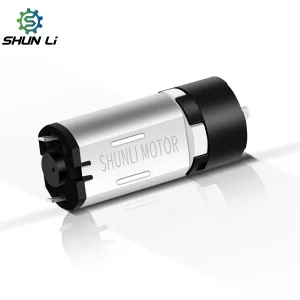

Whitepaper: Optimizing Control Loops and Supply Chains for Torque Adjustable Micro Motors
In high-precision motion design, industrial designers often struggle to balance high starting torque with precise torque control in small spaces. Modern robotics, medical devices, and high-performance consumers need micro drives that do more than just turn. They need drives that can dynamically adjust torque to changes in mechanical loads. Discover the advanced design practices, supply chain structures, and factory protocols that make reliable micro-positioning possible.
Tired of trading company markups, communication gaps, and inconsistent batch quality in your motion control supply chain? ApexMicro is the transparent, direct-from-source China factory you’ve been looking for. We engineer and manufacture world-class precision micro drives directly from our manufacturing floors to your global assembly lines under strict, repeatable quality control.
1. The Physics of Dynamic Torque Regulation in Micro Motors
Dynamic torque regulation relies on balancing electromagnetic flux density, rotor wind layout, and gear reduction dynamics. To achieve precise torque adjustment, micro DC motors use either input voltage modulation (for brushed variants) or field-oriented control (FOC) algorithms (for brushless PMAC systems). When motors run at low speeds, managing cogging torque and winding resistance becomes critical. Adjusting slot-pole configurations and using skewed armatures helps reduce cogging, allowing smooth startup behavior even under variable heavy loads.
Custom gearheads, such as planetary or worm systems, are essential for scaling and stabilizing torque. For instance, planetary gearboxes distribute loads across multiple planet gears, increasing torque capacity in a small envelope. In contrast, worm gearboxes provide high reduction ratios and self-locking capabilities, preventing backdriving in critical applications like medical pumps or aerospace actuators.
2. The Four Pillars of Manufacturing Integrity
- 20+ Years of Manufacturing Integrity: Deep industry heritage since 2006, ensuring stable automated production lines and long-term supply security.
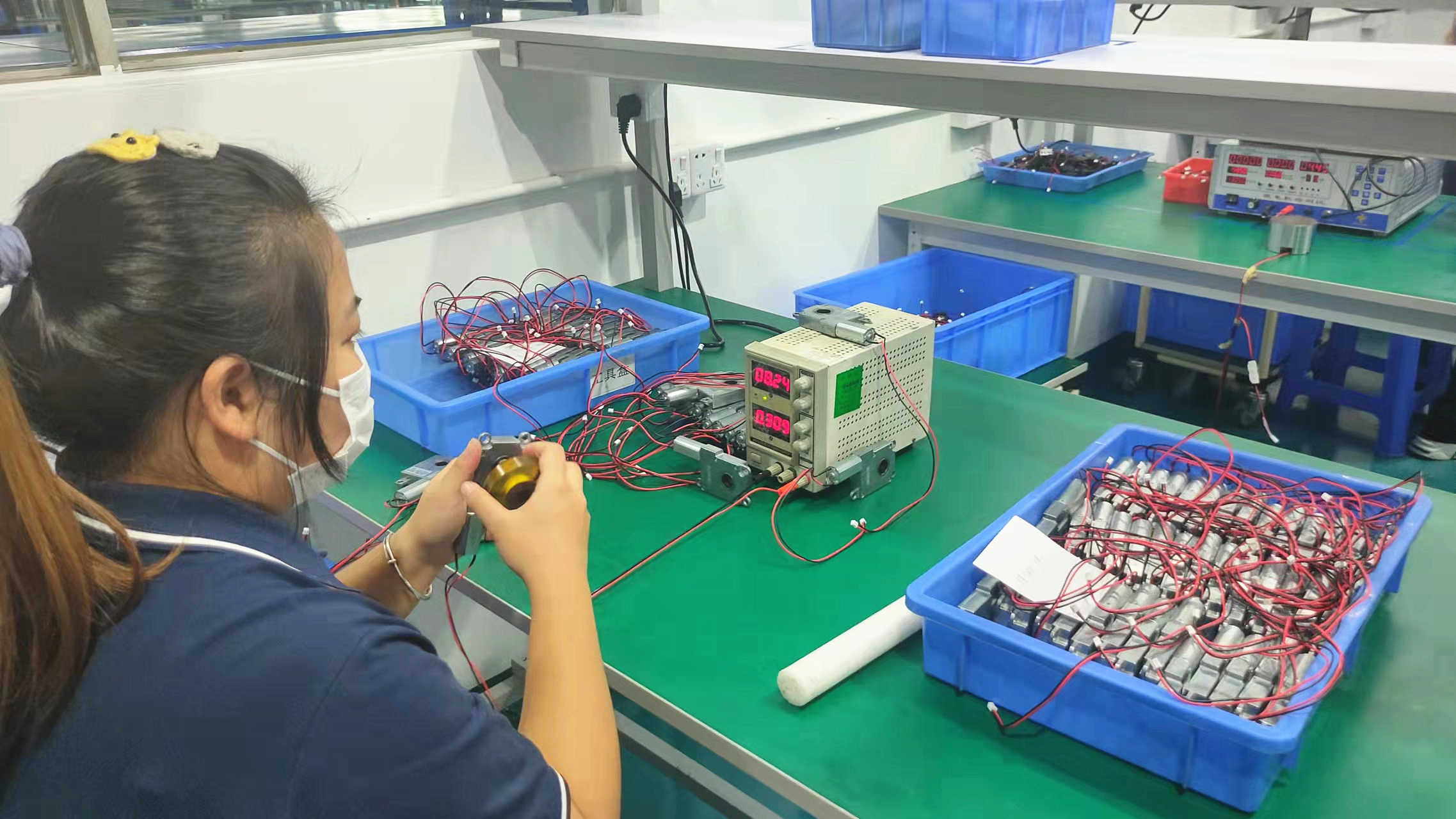
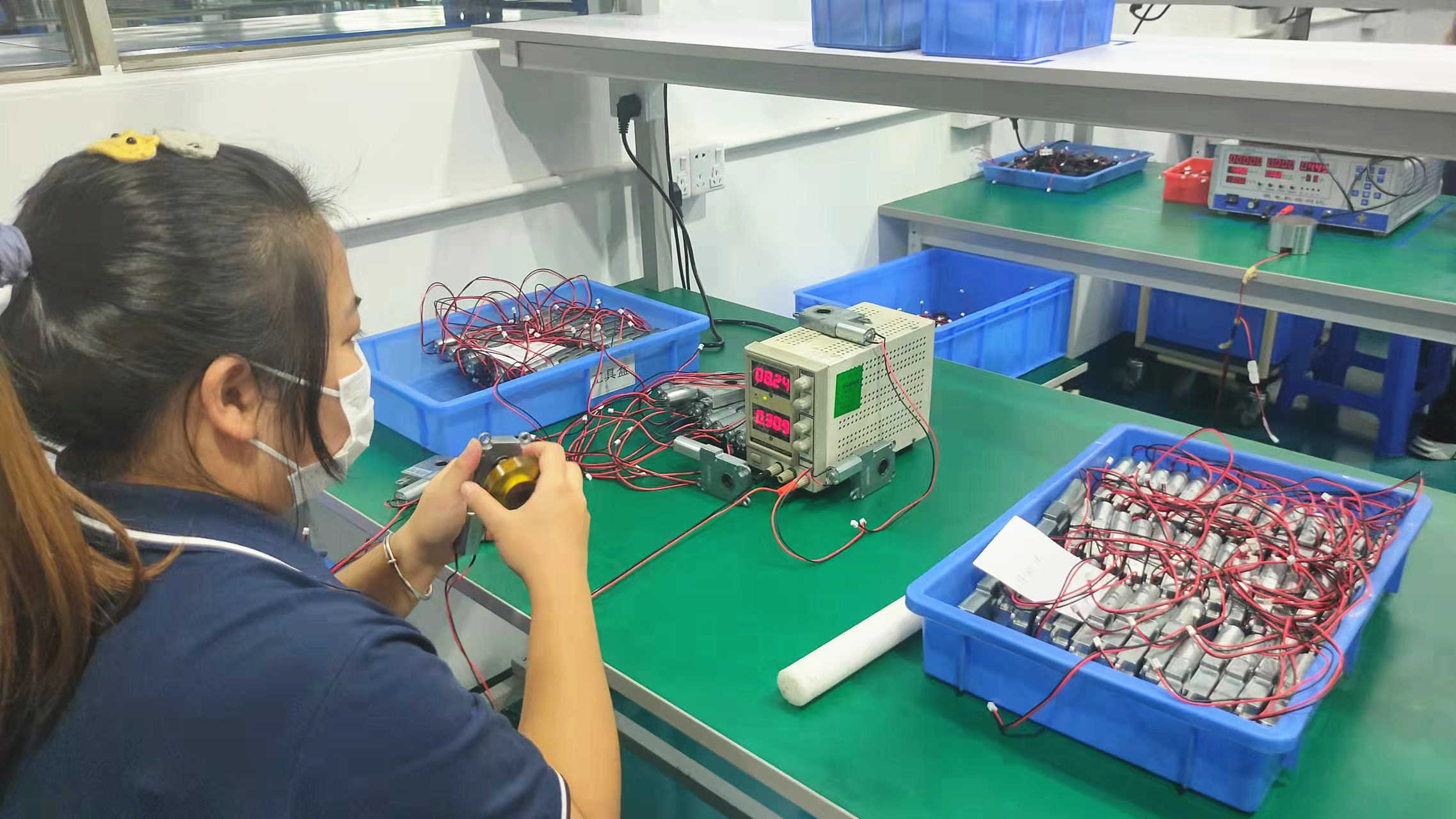
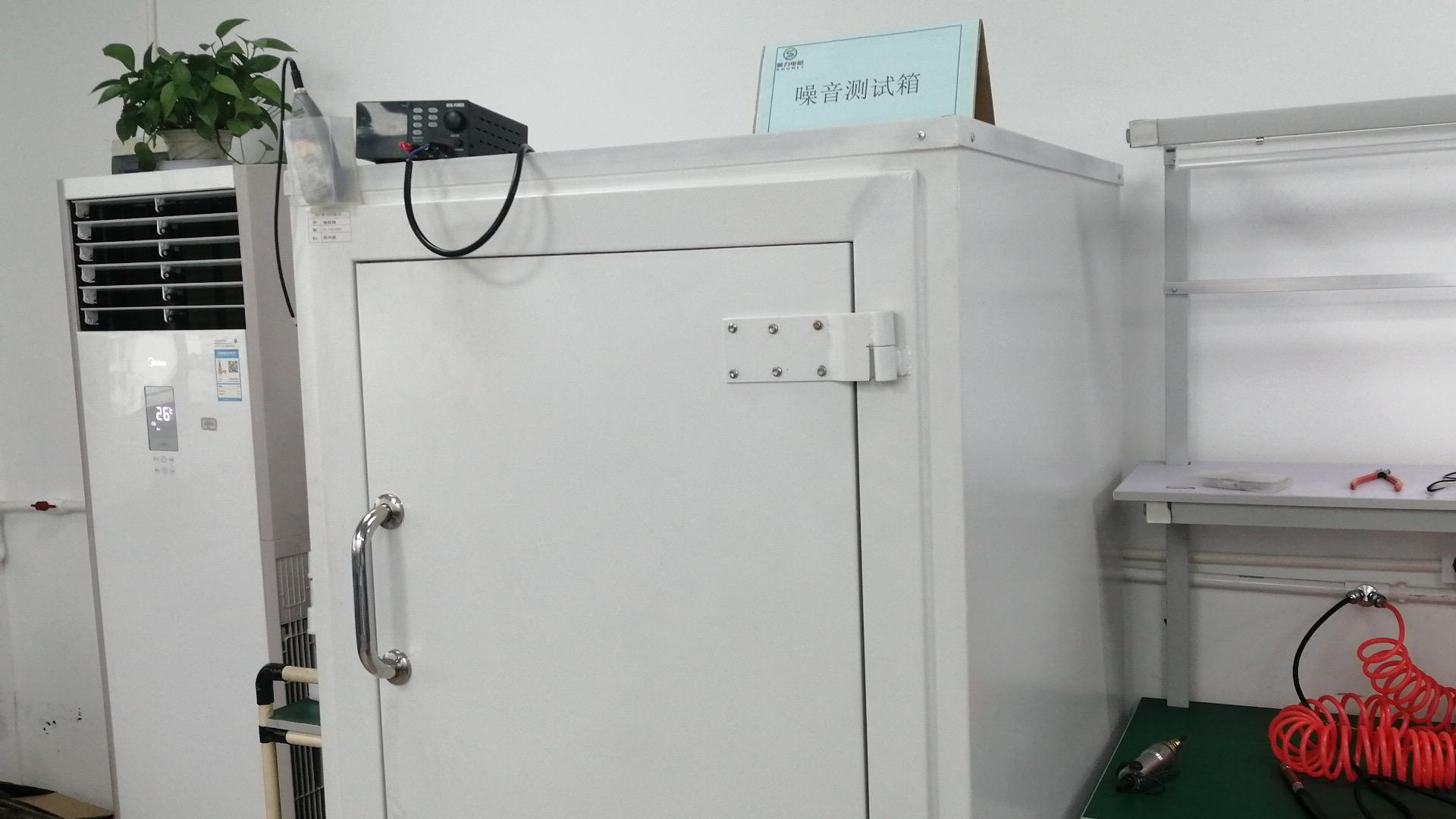
- 100% In-House Loading Tests: Every single motor is subjected to automated dynamic balancing and acoustic tests under real industrial loads before leaving our dock.
- Agile Custom Prototyping: We don't shrink away from non-standard blueprints. We rapidly customize custom shafts, integrated encoders, and specialized gearheads to fit your device housing perfectly.
- Global Compliance Built-In: Our state-of-the-art ecology runs fully compliant with international ISO9001, CE, RoHS, and REACH safety standards.
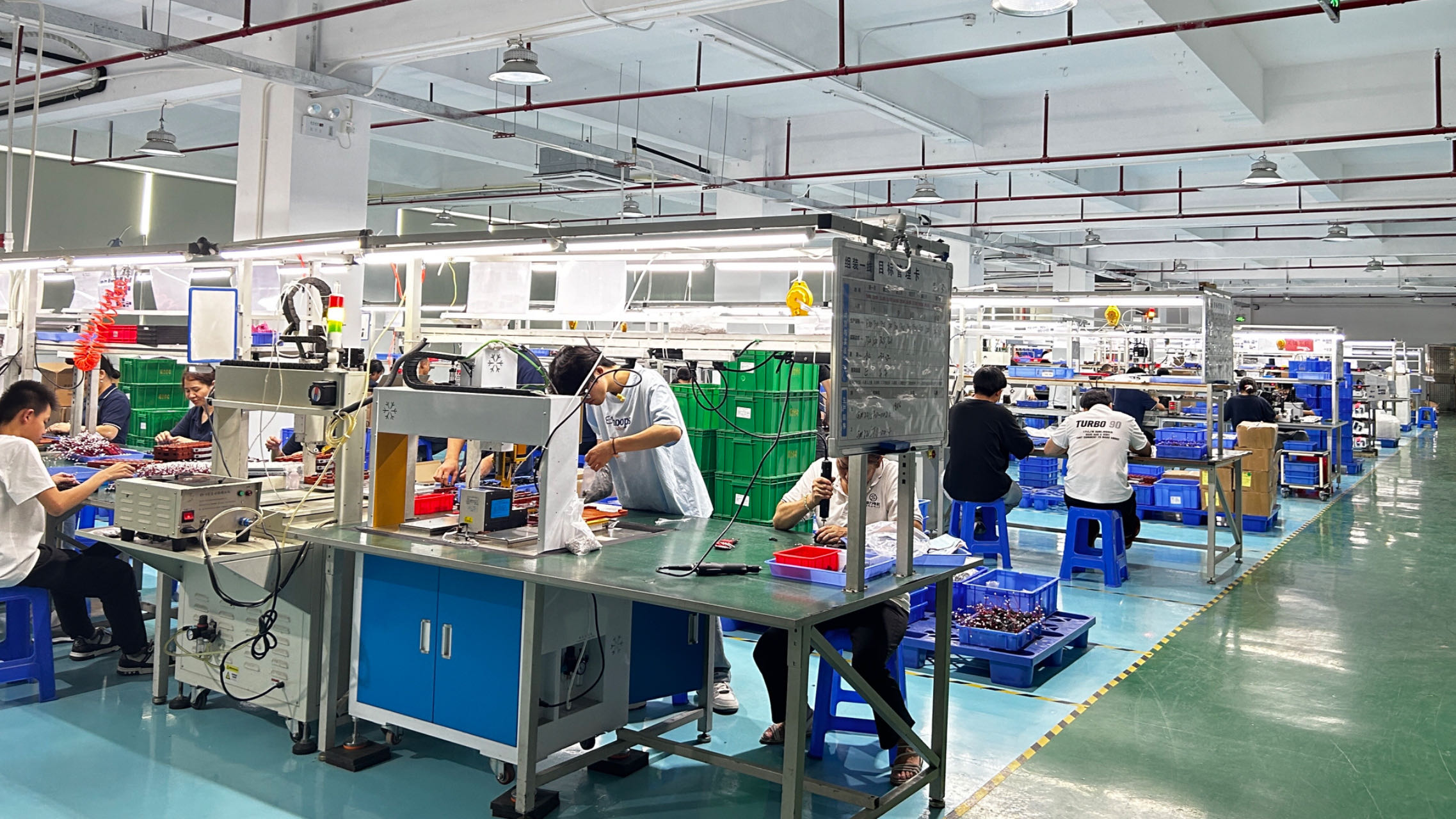
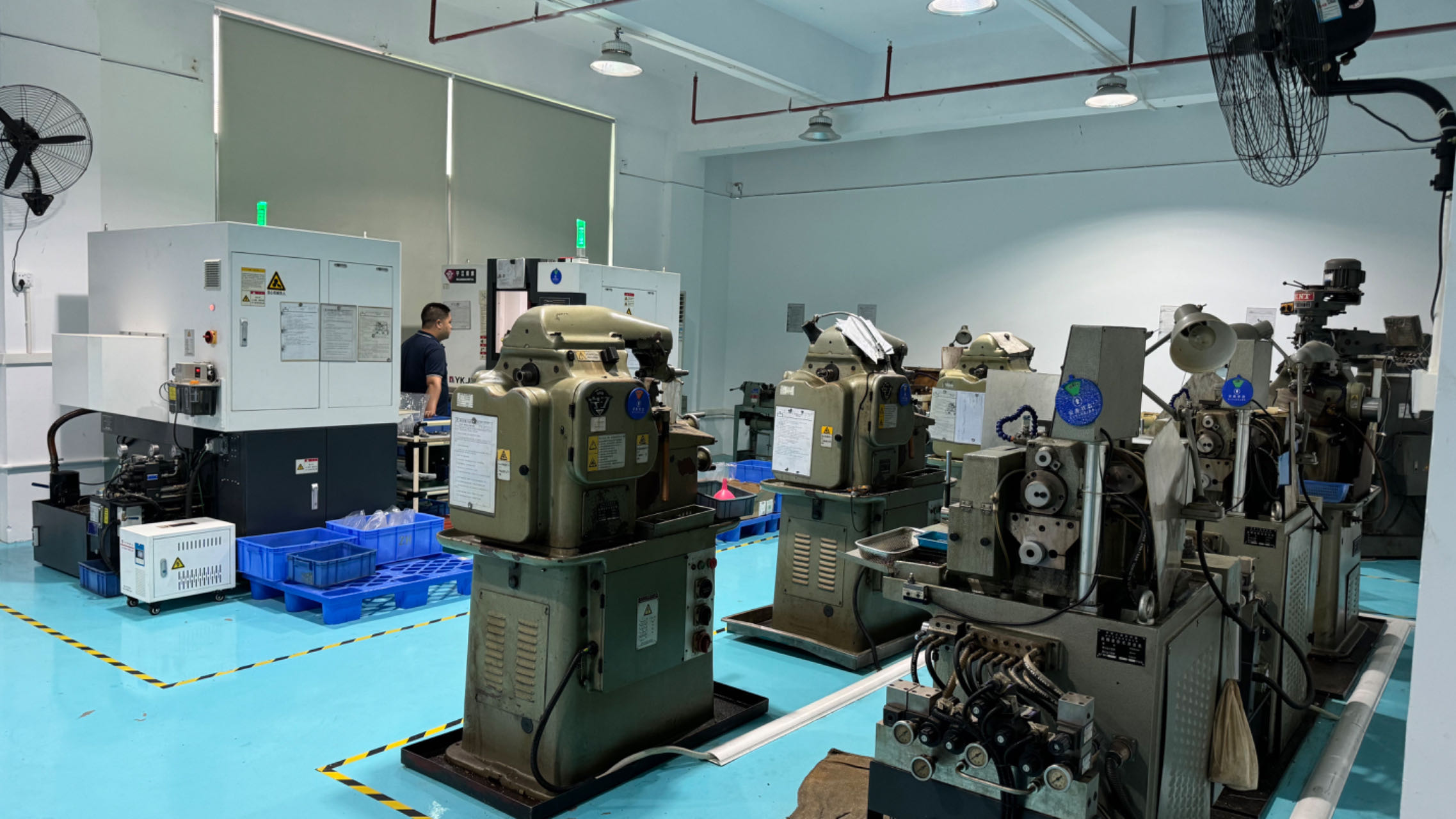
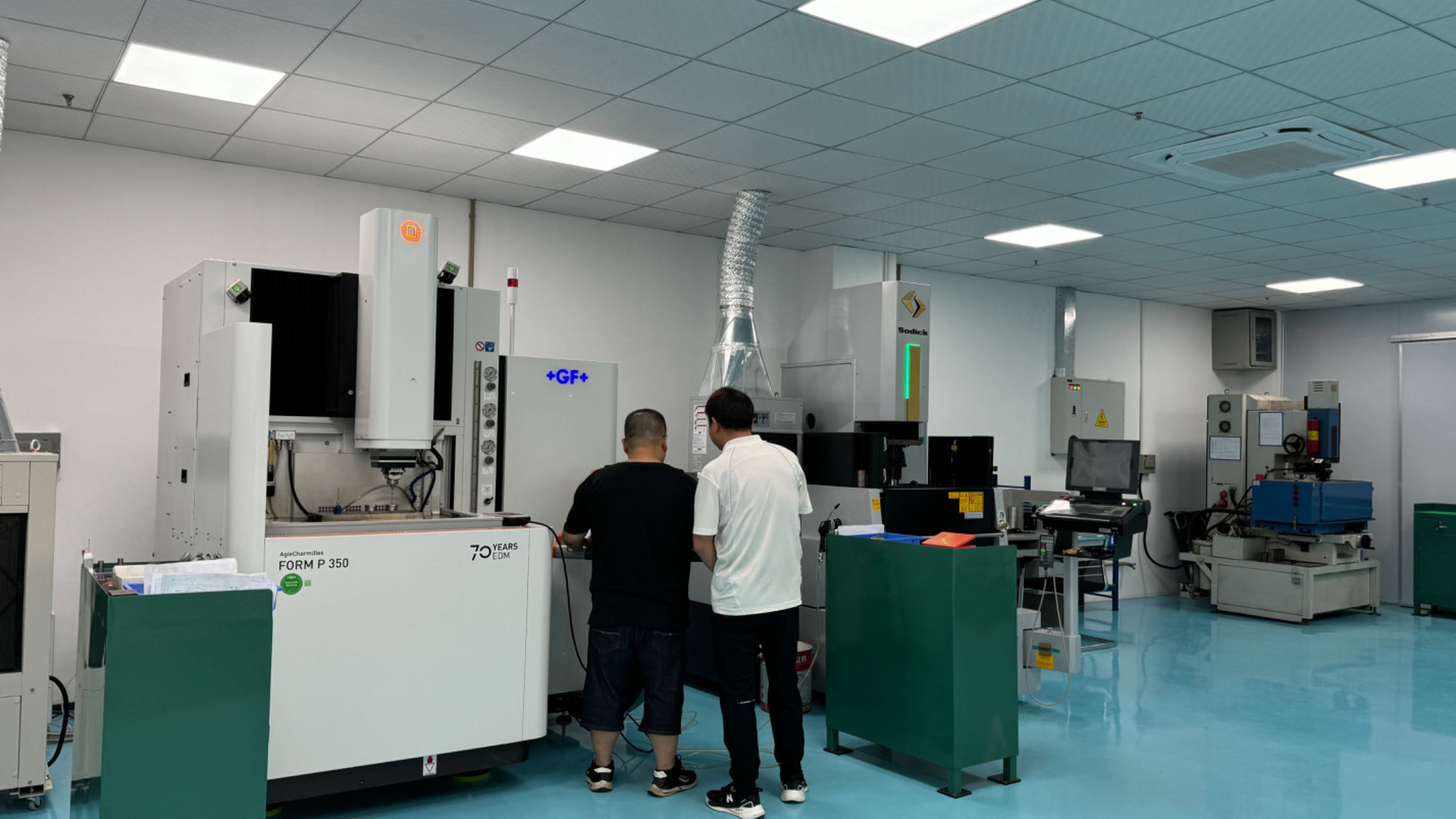
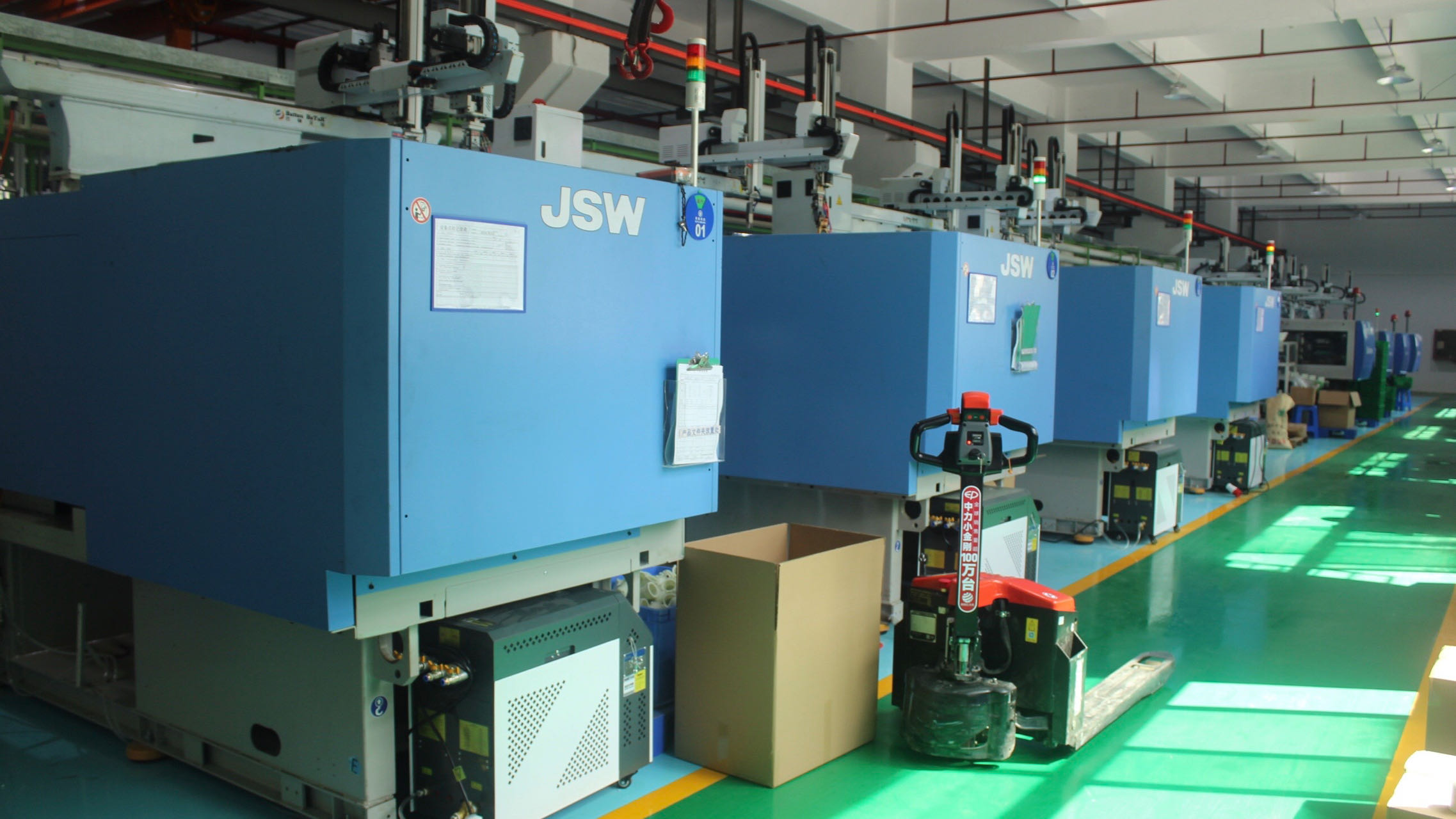
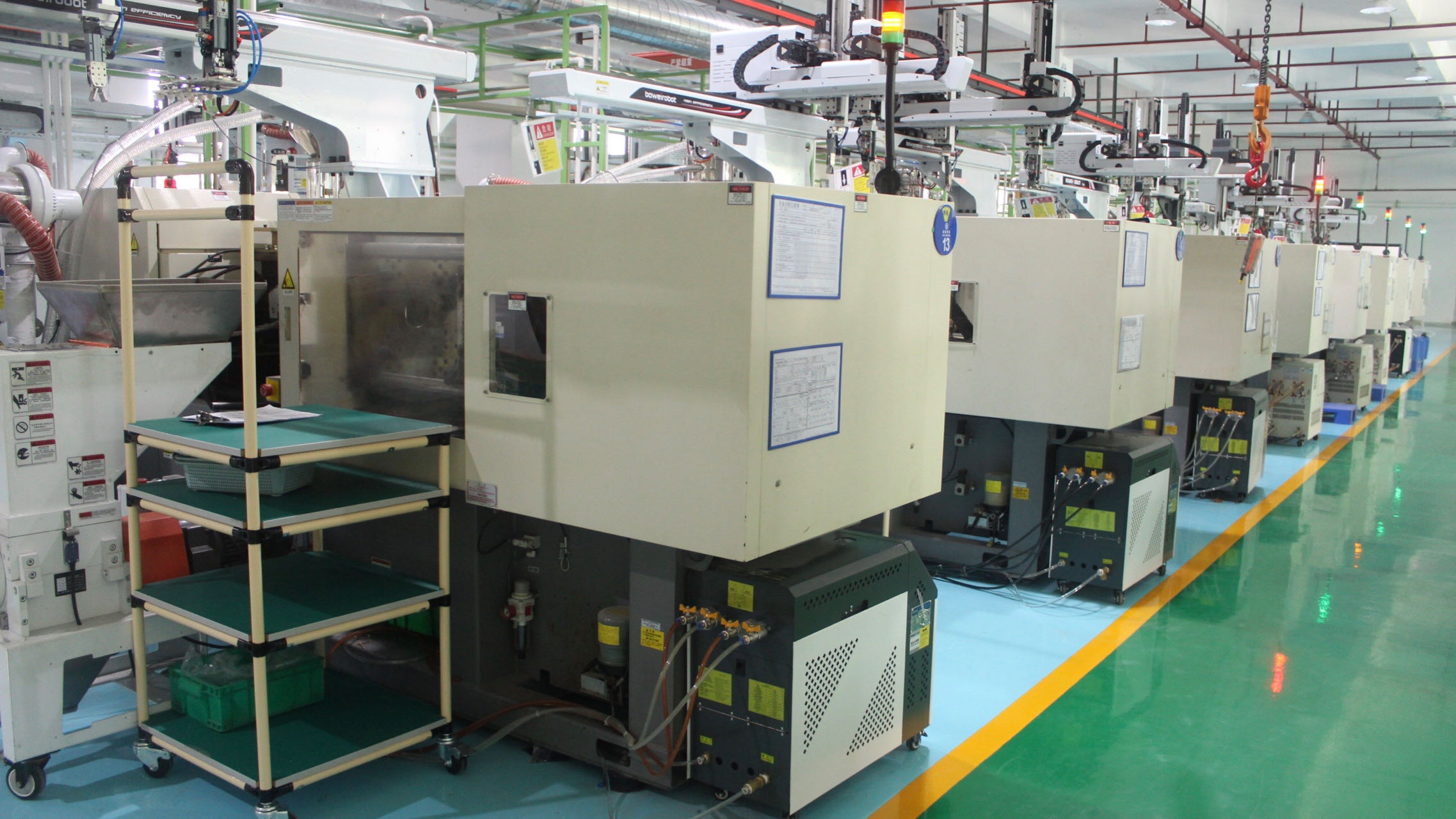
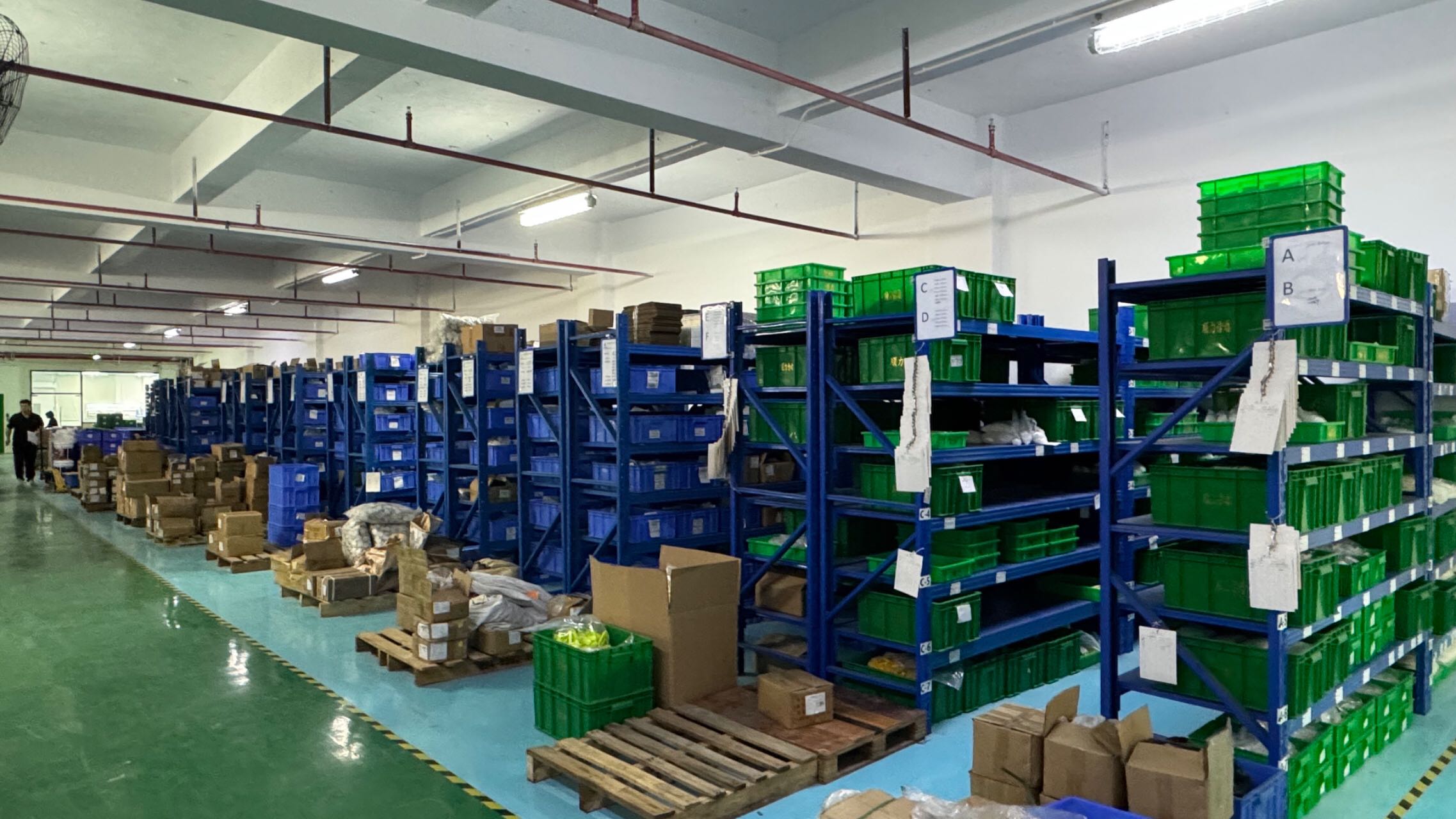
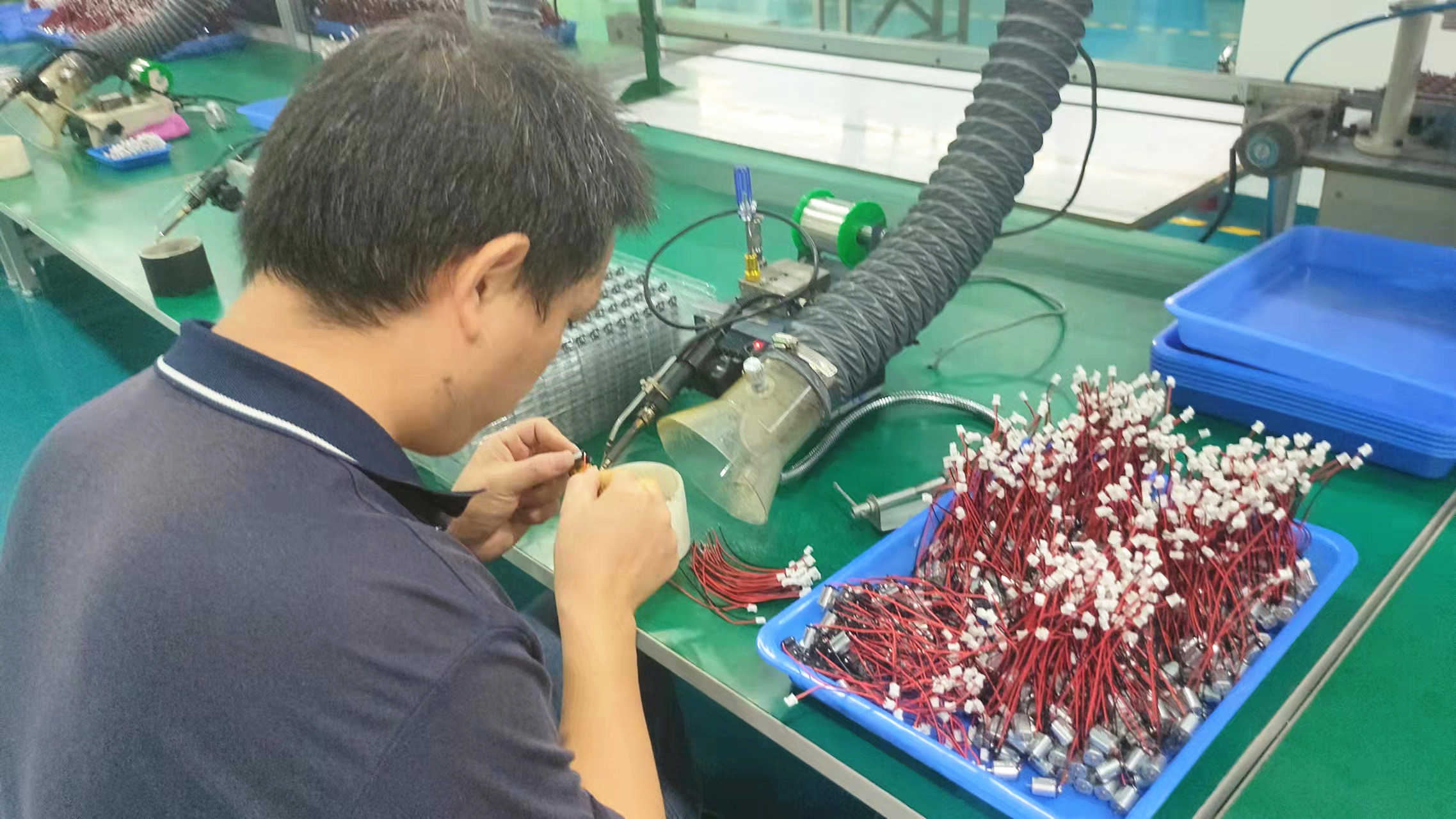
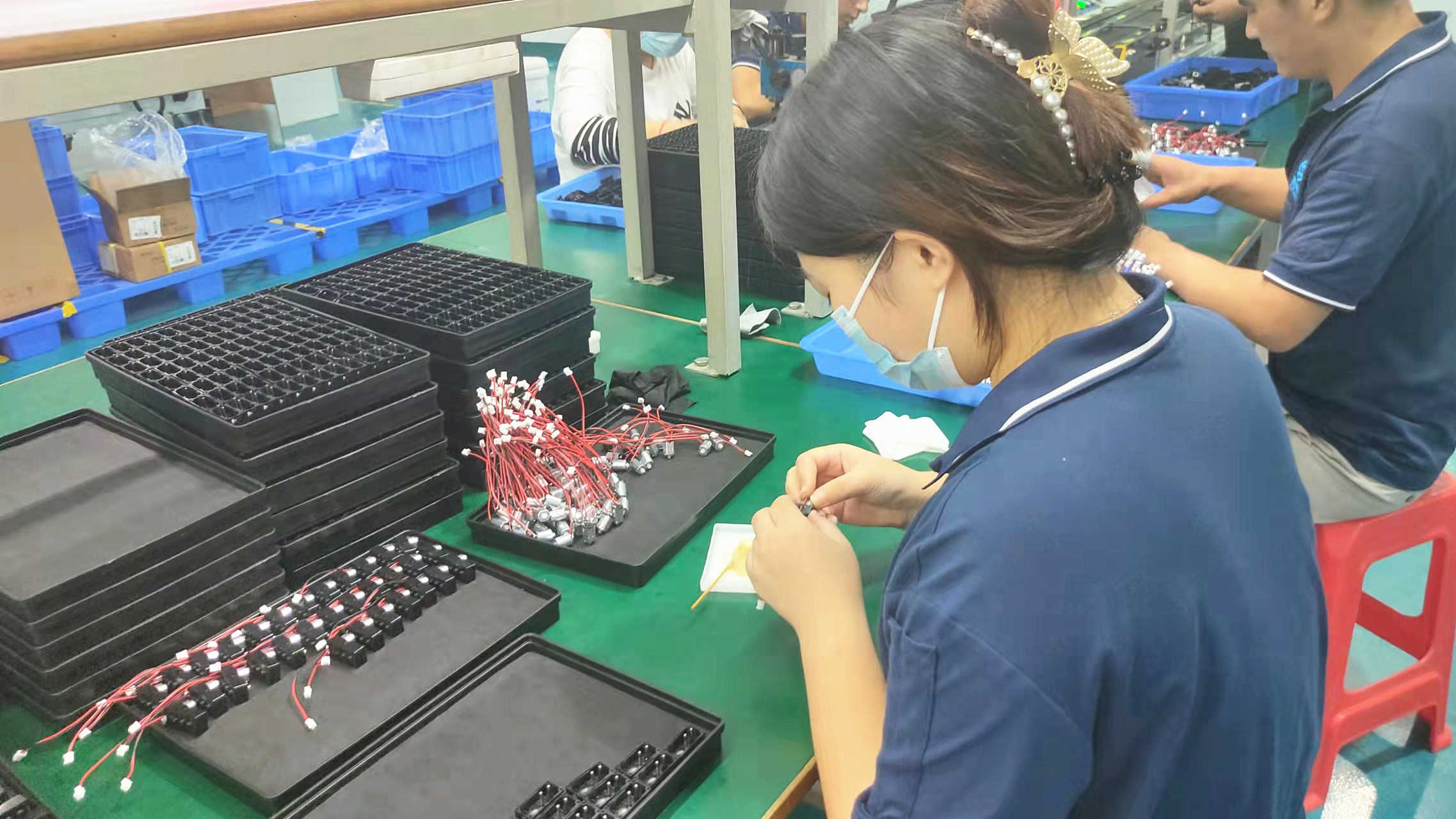
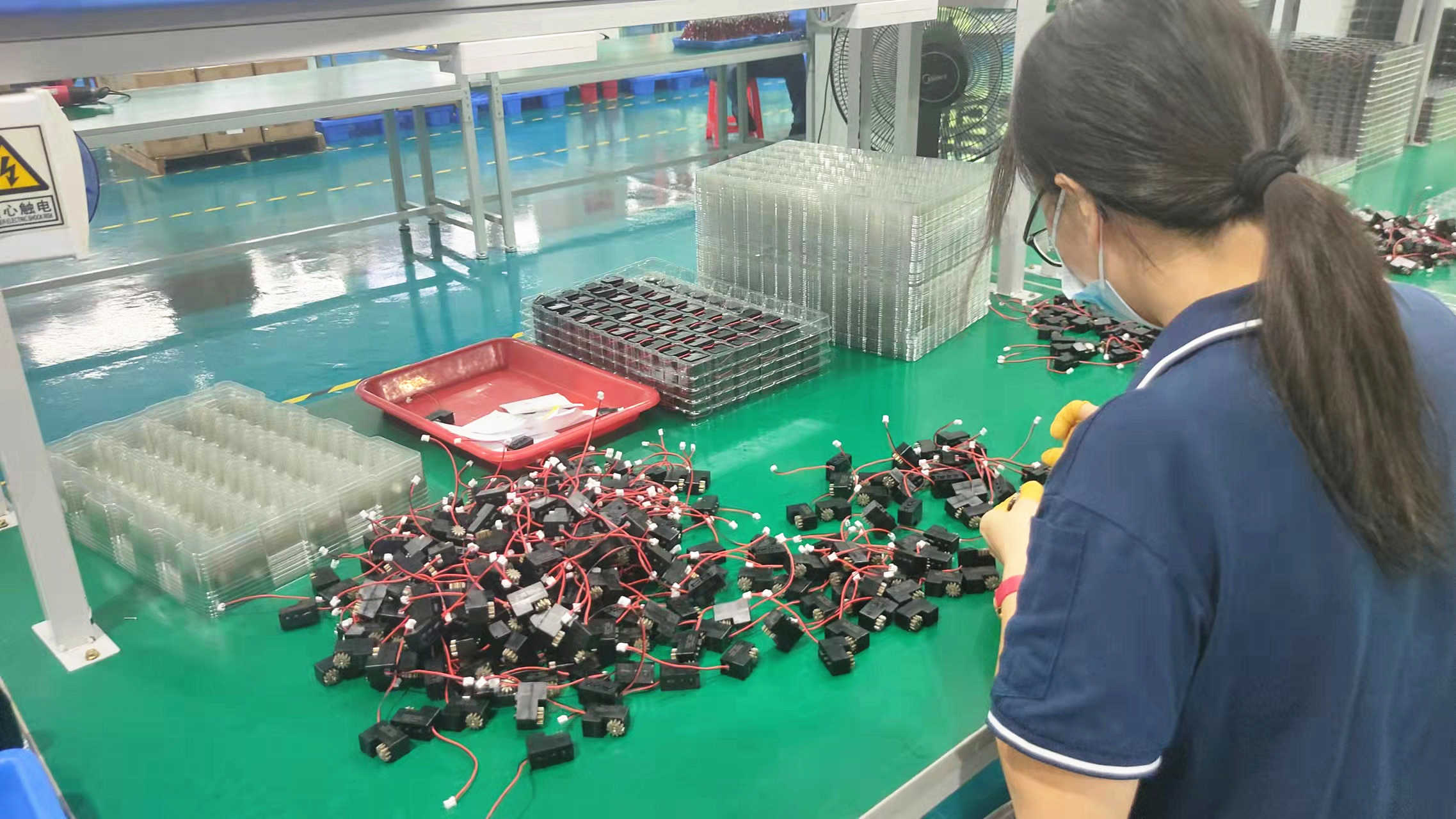
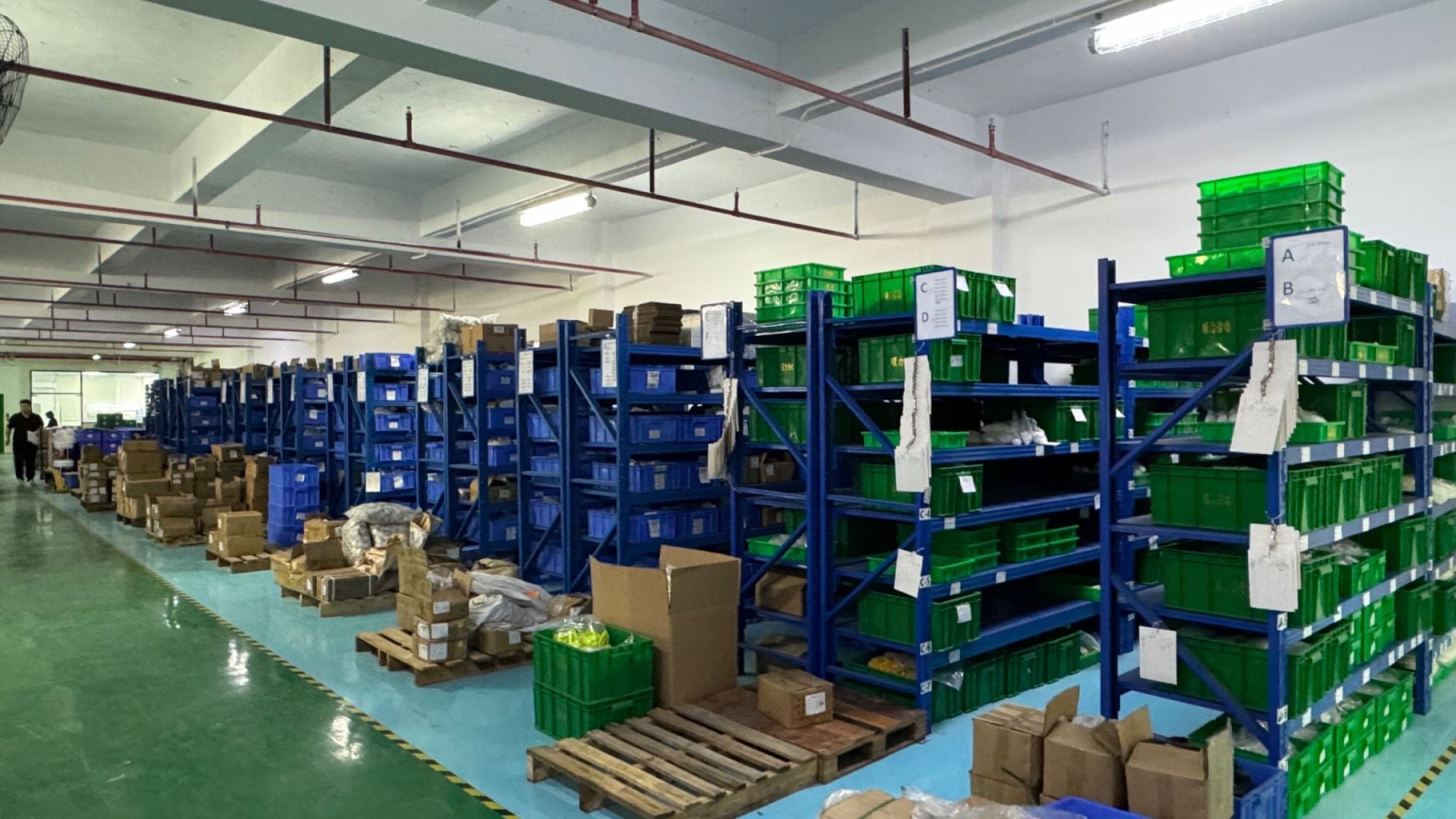
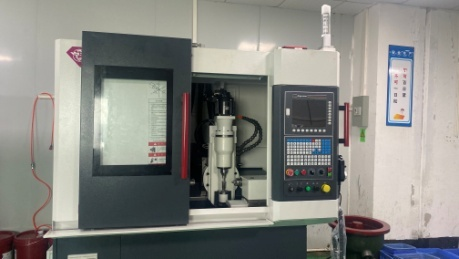
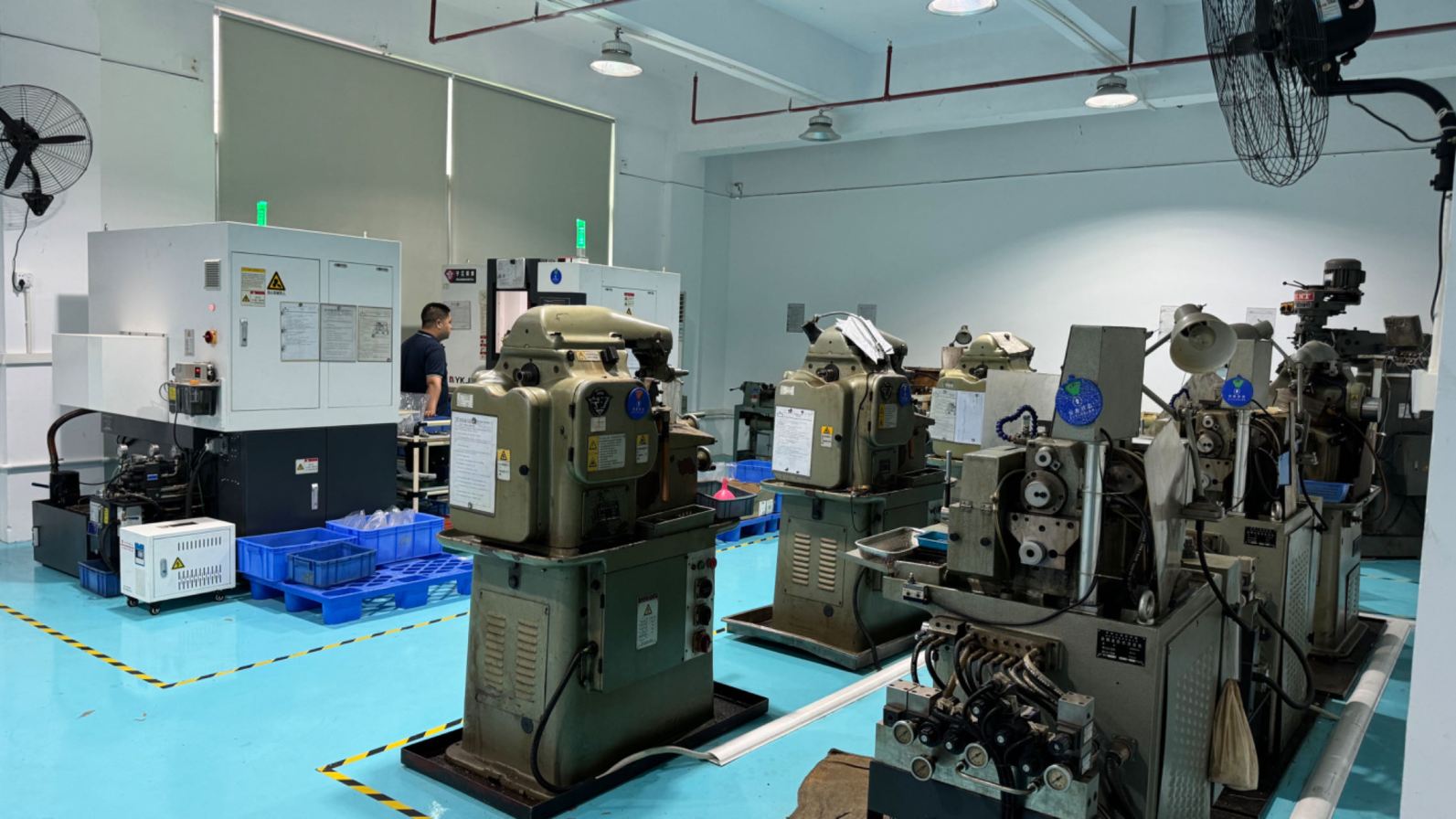
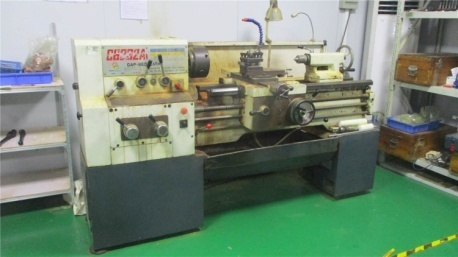
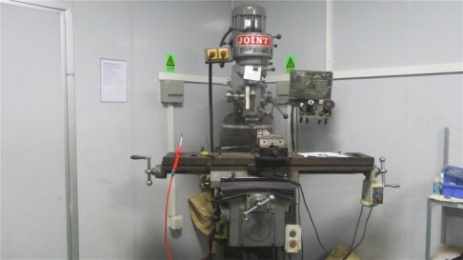
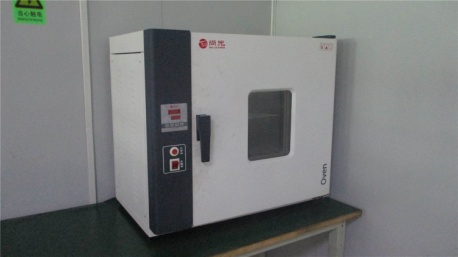
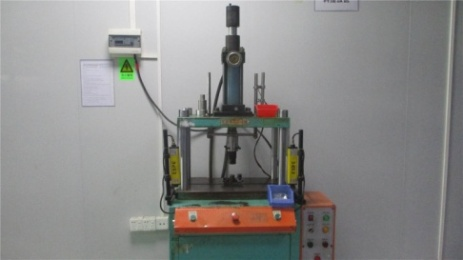
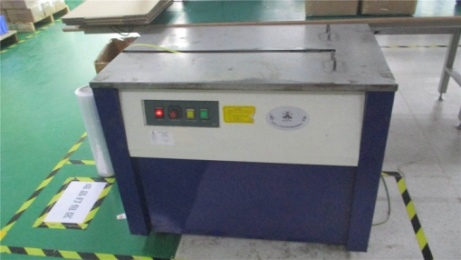
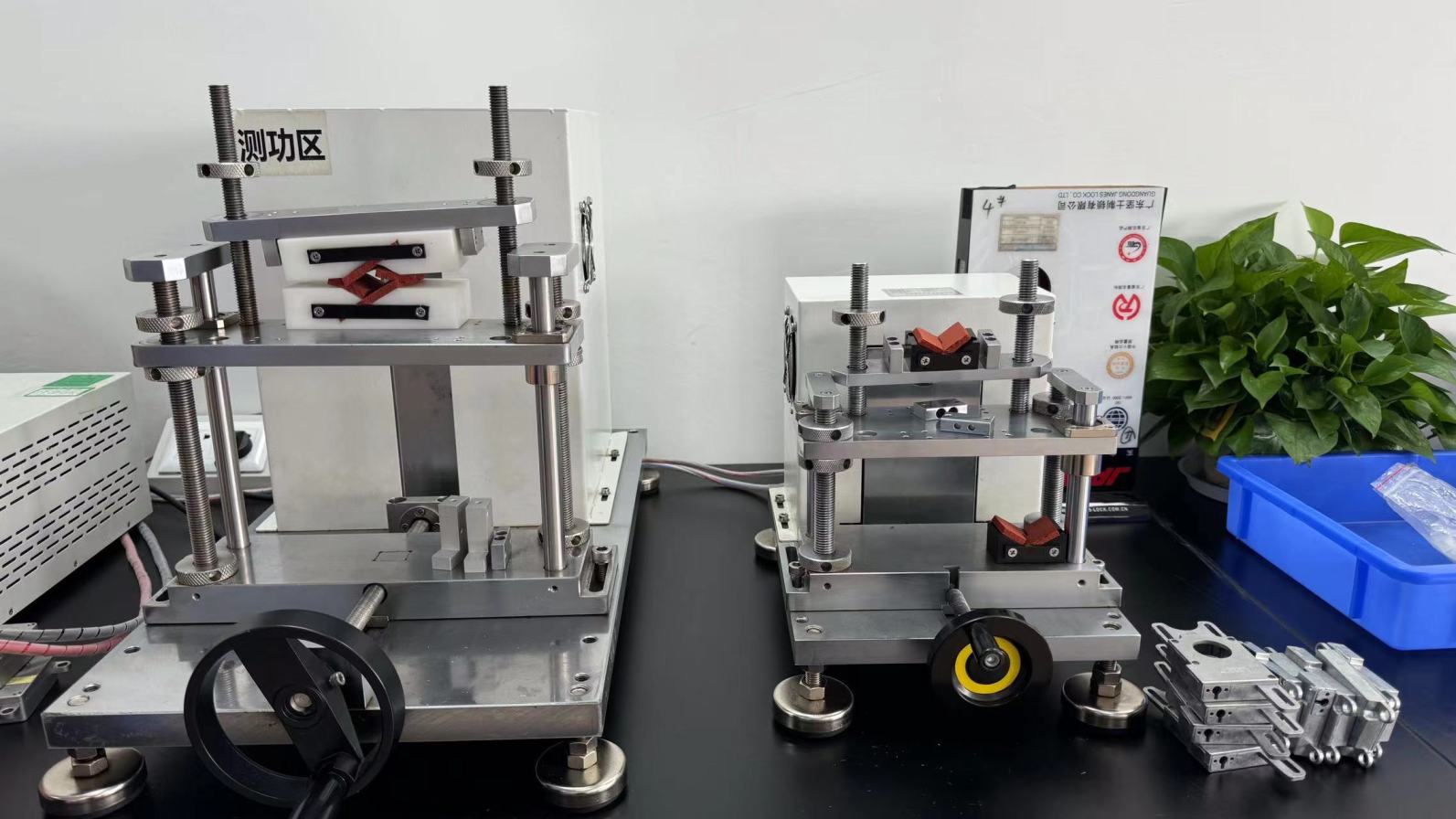
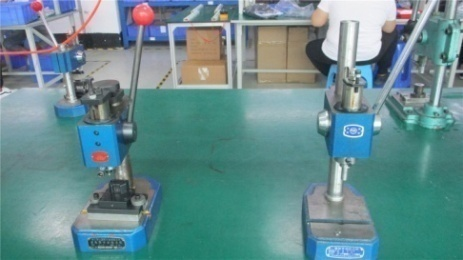
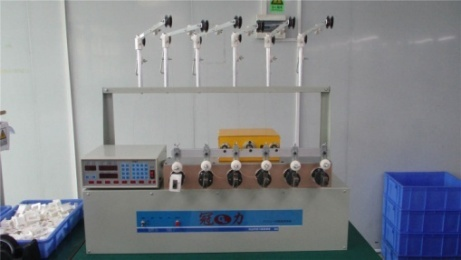
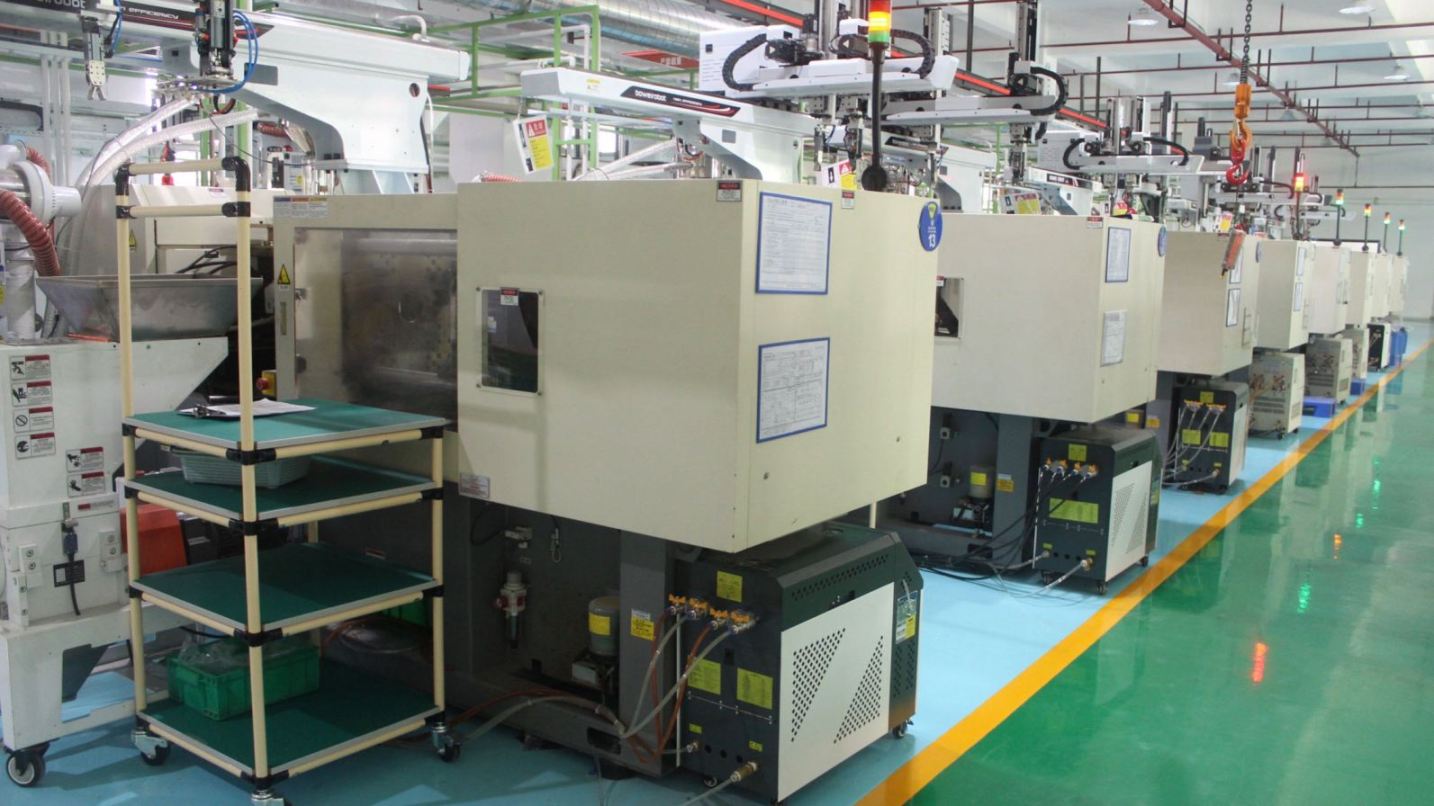
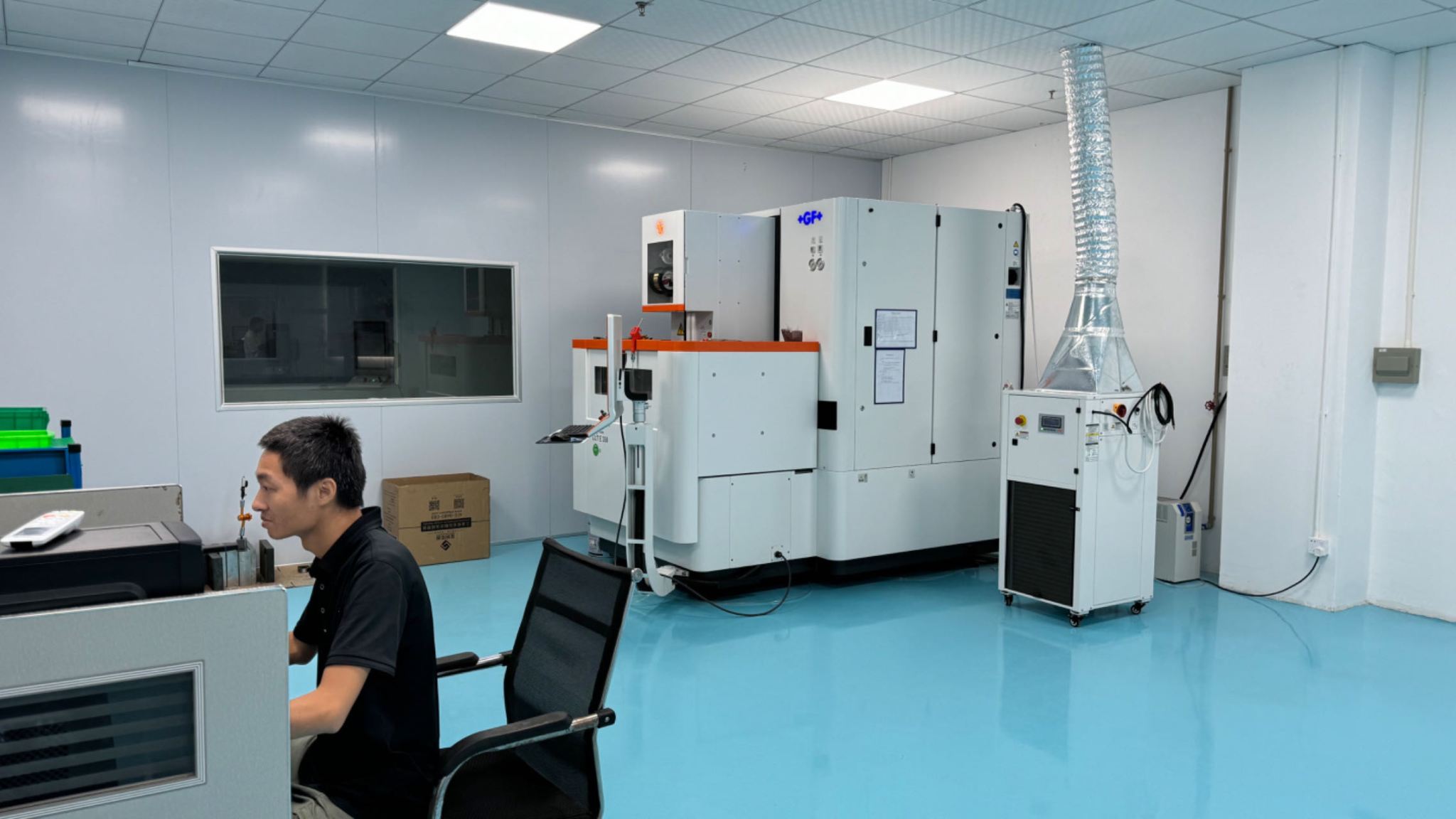
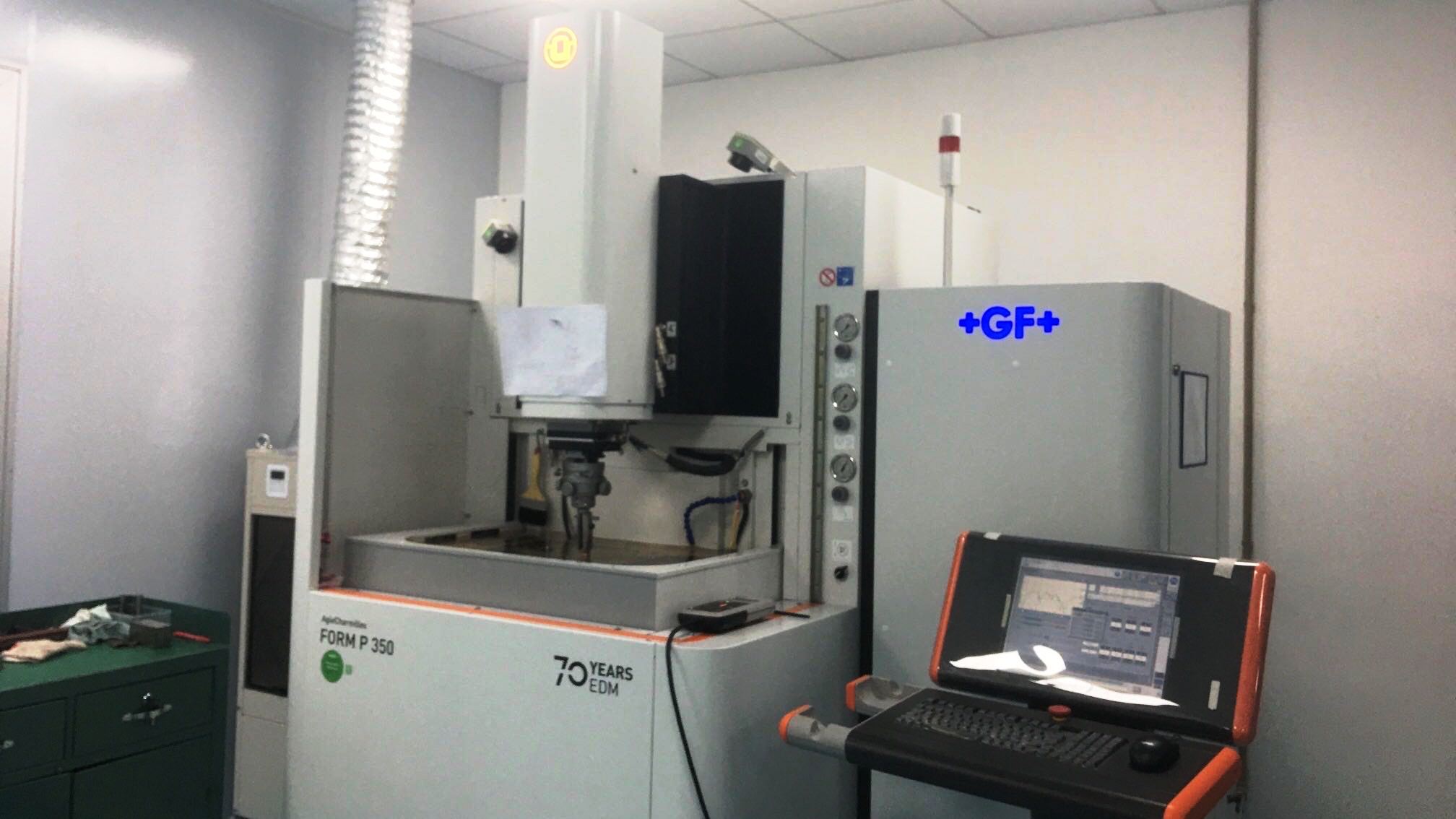
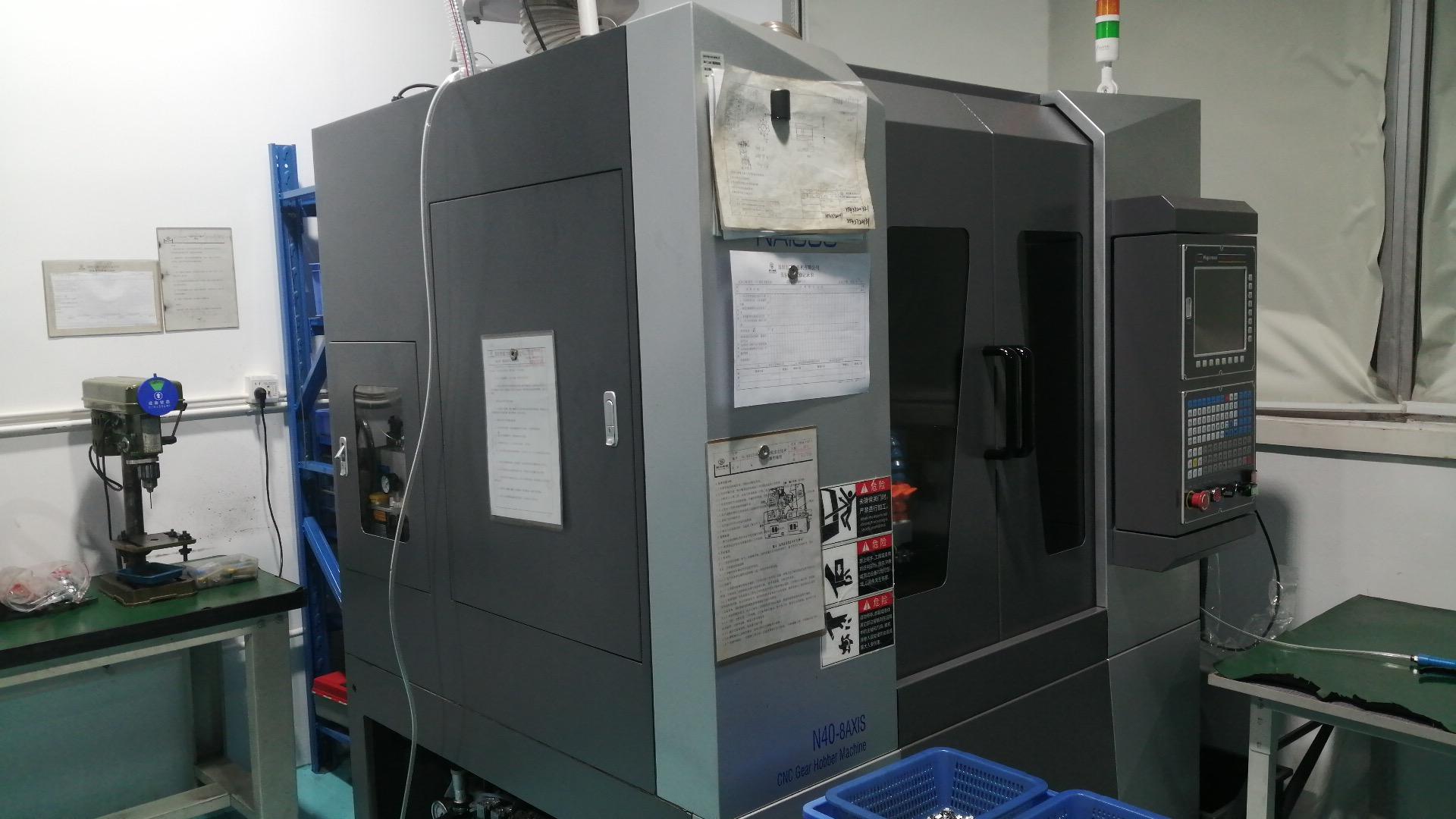
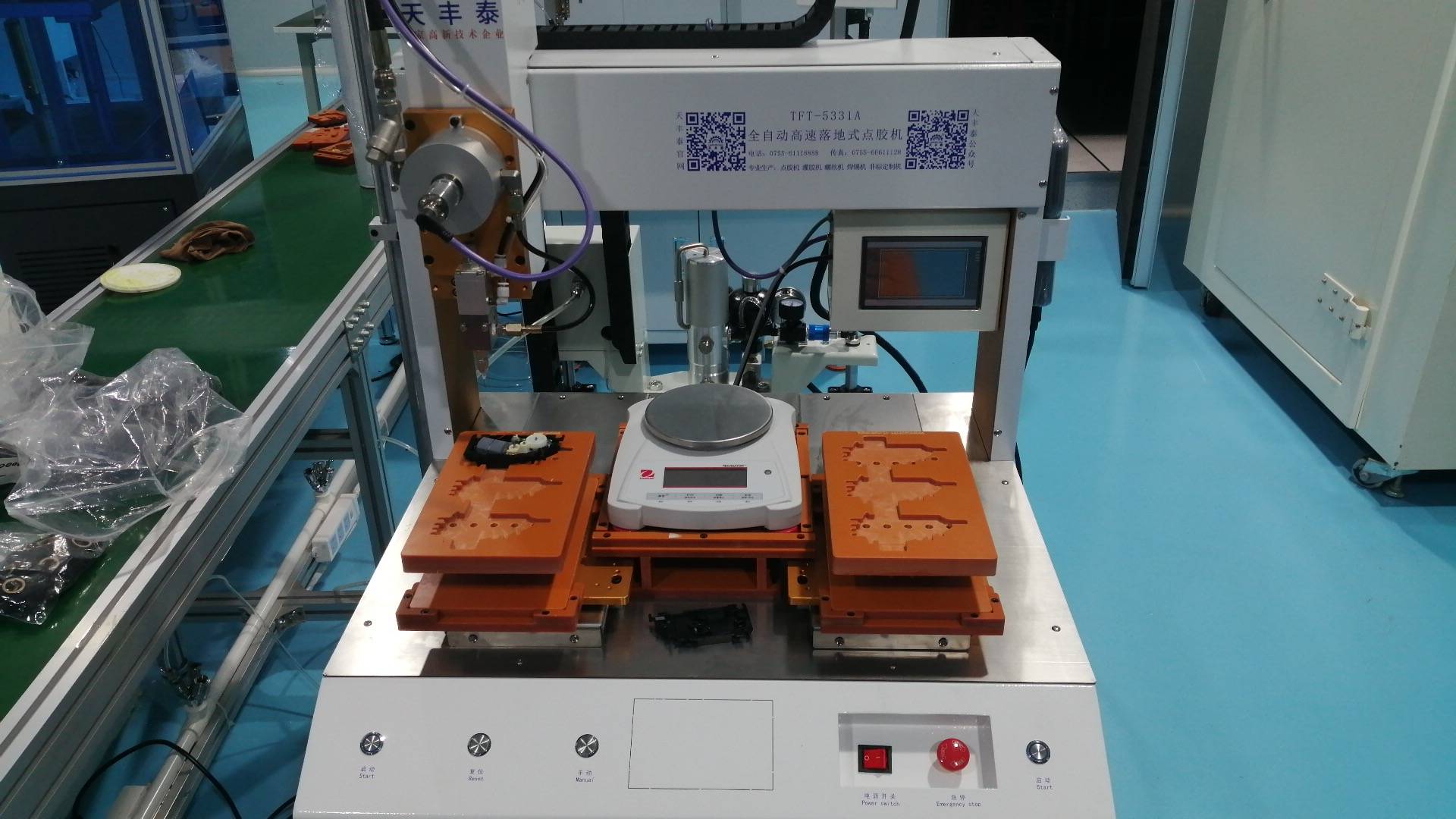
Vertical Production & Precision Control Facility
A look inside our specialized tooling, machining, and quality assurance processes.


3. China Supply Chain Advantages: Optimization from Coil to Gearbox
Purchasing directly from specialized hubs in China like Shenzhen or Dongguan offers strong supply chain advantages. These areas provide concentrated ecosystems for raw materials, heat treating, injection molding, and CNC machining. Because of this integration, factories can quickly source specialized silicon steel, high-purity copper coils, and rare-earth magnets (such as NdFeB). This local availability keeps material lead times short and lowers shipping costs.
Direct communication with the factory's engineering team reduces development friction. Industrial buyers work directly with design staff to refine shaft properties, configure gear ratios, and resolve thermal issues. This direct contact speeds up design loops compared to using trading brokers, helping you move from CAD designs to working samples faster.
4. Global Compliance, Logistics, and Testing Standards
Shipping custom electric motors globally requires strict compliance with international safety and environmental standards. Compliance with CE, RoHS, and REACH directives ensures that no hazardous substances are used in components like copper windings, lead wires, or solder joints. This compliance is essential for medical devices and consumer electronics sold in North America and Europe.
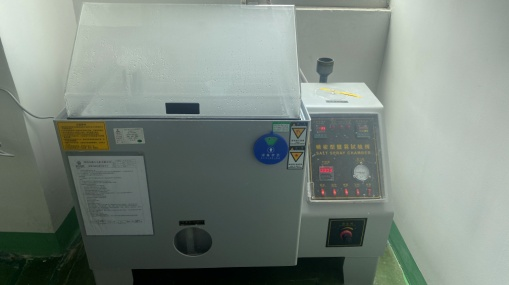
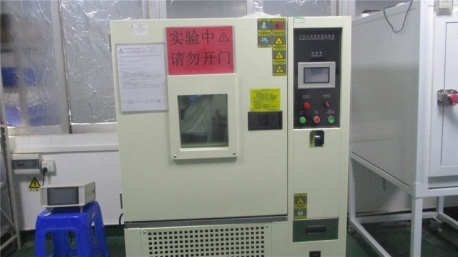
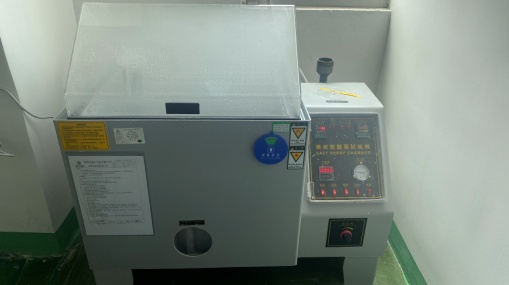
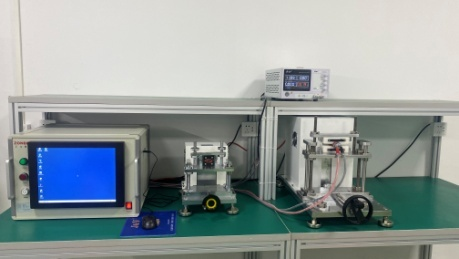
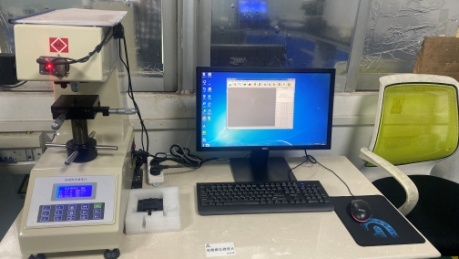
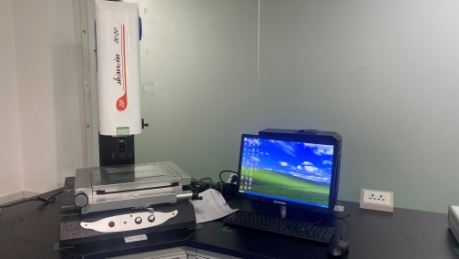
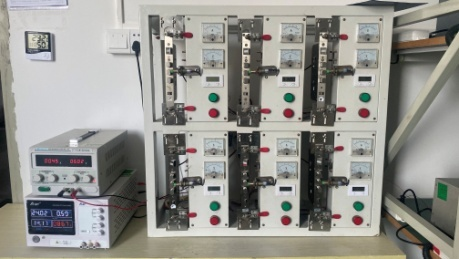
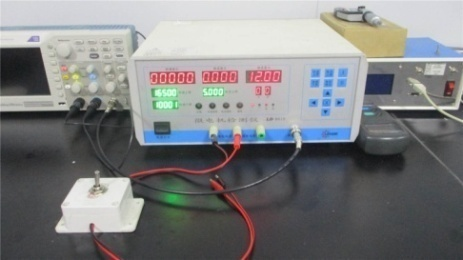
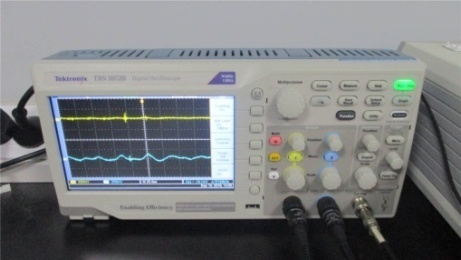
In addition, ISO 9001:2015 quality standards are integrated into every production phase. Modern quality labs use coordinate measuring machines, salt spray chambers, and dyno benches to test batch consistency. This ensures that every motor meets critical dimensional, environmental, and electric specifications before shipment.
| Testing Criteria | Instrument / Setup Used | Target Output / Value Measured |
|---|---|---|
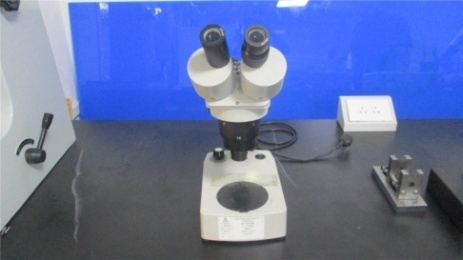
| Micro-Geometry Analysis | Video Measuring Instrument | Gear pitch, shaft eccentricity (tolerance < 0.005mm) |
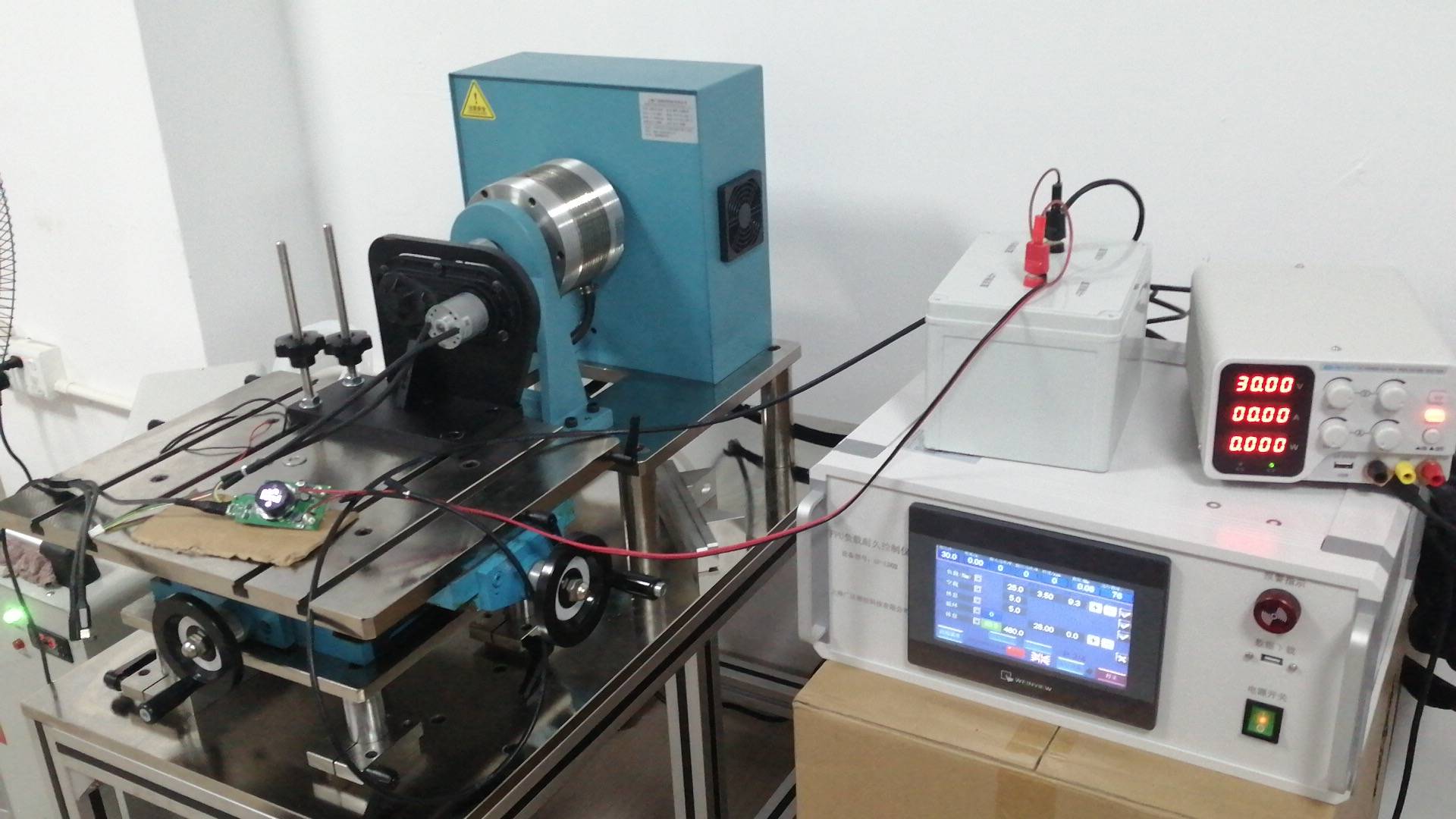
| Dynamic Load Simulation | Dynamometer Machine | Torque vs. Speed profiles, electrical efficiency curves |
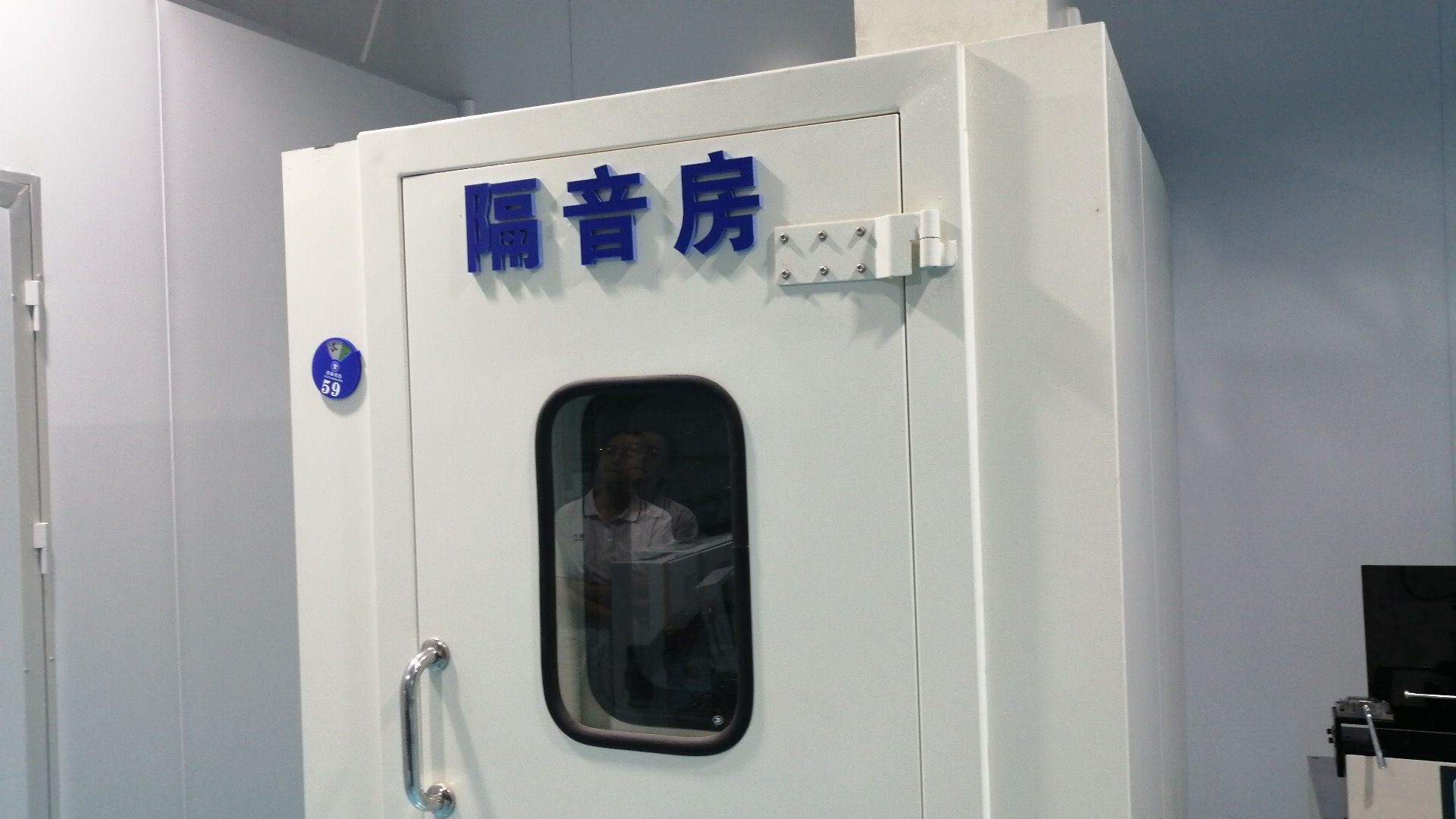
| Acoustic Evaluation | Soundproof Noise Testing Chamber | Operational noise levels (target < 35dB at 30cm) |
| Environmental Durability | Salt Spray Testing Machine | Corrosion resistance of treated housings (up to 96 hours) |
| Magnetic Flux Quality | Magnetic Powder Testing Machine | Rotor field uniformity, identifying internal cracks |
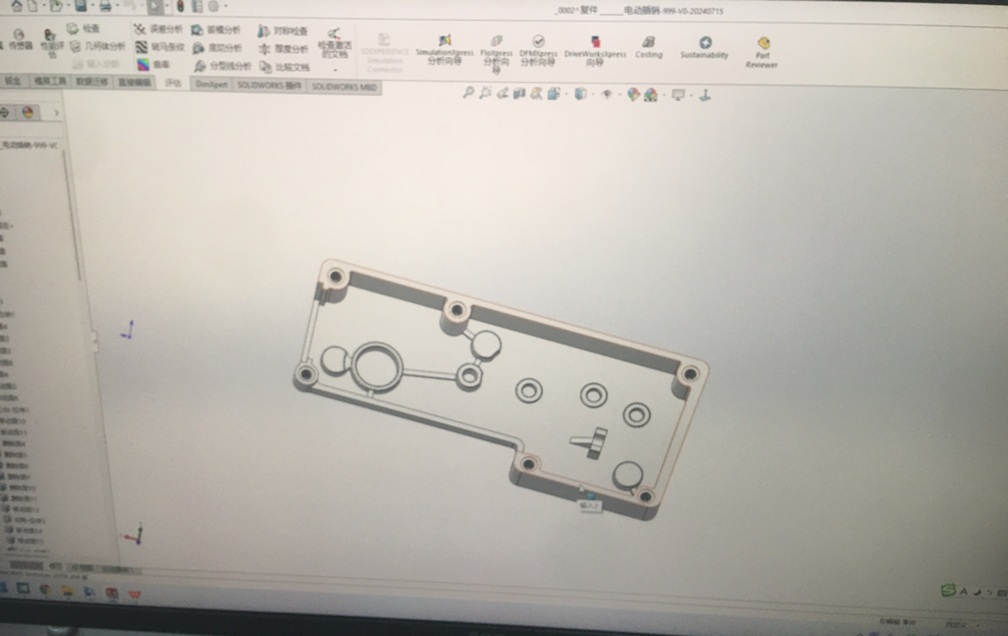
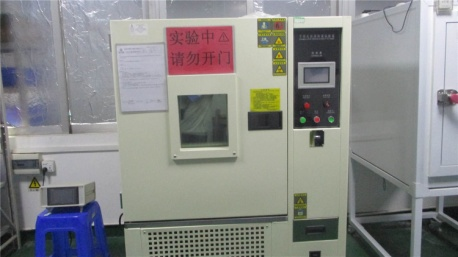
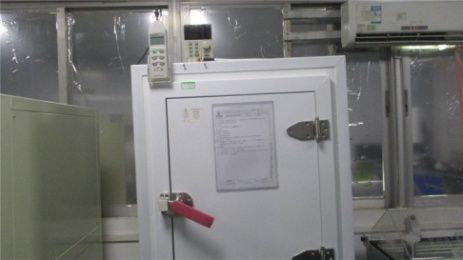
Advanced QC & Design Infrastructure
How our quality assurance department prevents defects and validates performance parameters.
5. Key Industry Trends in Dynamic Motion Systems
Three main trends are shaping the future of micro drive design: brushless technology migration, smart feedback integration, and miniaturization. The shift toward Brushless DC (BLDC) systems is driven by requirements for longer service life and reduced electromagnetic interference (EMI). BLDC systems remove carbon brushes, which helps avoid wear-and-tear particles in clean medical or electronic environments.
At the same time, design engineers are integrating magnetic or optical encoders directly onto the motor's rear shaft. This integration allows for real-time closed-loop position and velocity control, ensuring the motor can react instantly to load changes. Finally, as consumer electronics and surgical tools shrink, there is growing demand for compact gearboxes that can deliver high torque in envelopes smaller than 12mm.
6. Localized Application Profiles
Custom torque-adjustable micro motors are used across many demanding industries:
- Smart Locking Actuators: Require high starting torque within a compact 10mm-16mm package to throw lock bolts reliably, while maintaining low static current draw for extended battery life.
- Surgical and Medical Handpieces: Demand quiet operation (under 35dB), low heat dissipation to ensure user comfort, and sterilizable gearboxes that can withstand autoclave cycles.
- Automotive HVAC Dampers: Need precise step-down gear ratios and reliable operation across a wide temperature range (-40°C to +85°C).
- Automated Retailing Systems: Depend on high-torque worm geared motors to run dispensing coils consistently, preventing jams in vending machine systems.
Frequently Asked Questions
Technical answers to help buyers evaluate custom motor specifications and manufacturing processes.
Our Complete Micro Drive Portfolio
Browse our wide range of customizable DC, AC, planetary, and worm-gear micro motors.