Featured Motion & Micro Vibrational Drives
Engineered to exact Japanese tolerances, these high-reliability micro motors serve as the benchmark for tactile notification and localized propulsion units.
Osaka’s Precision Manufacturing & Industrial Ecosystem
Osaka has long stood as the heartbeat of Japan’s structural engineering and precision hardware craftsmanship. The Kansai region, particularly towns like Higashiosaka and Sakai, represents a high-density cluster of specialized small-to-medium enterprises (SMEs) and global manufacturing conglomerates. These entities develop everything from cutting-edge surgical robotics to high-reliability automated warehouse guides.
As the regional industry migrates toward digital automation, micro-electromechanical systems (MEMS), and medical IoT, the demand for DC Micro Vibration Motors featuring sub-millimeter concentric tolerance has reached unprecedented heights. Supply chains in Osaka require components that align with strict quality methodologies, including Kaizen engineering standards and zero-defect yield objectives.

Global & Local Micro Motor Technological Roadmap
Navigating the shift toward high-efficiency coreless structures and permanent magnet dynamics.
Internationally, the DC micro vibration motor market is transitioning from simple eccentric rotating mass (ERM) actuators to high-density coreless DC designs and linear resonant actuators (LRAs). For industrial designers in Osaka exporting to North American and European Union markets, compliance with global environmental directives (RoHS, REACH) is non-negotiable. Furthermore, mechanical applications are pushing for lower starting voltages (down to 1.5V) to conserve lithium battery life cycle in miniature wearable designs.
| Motor Type | Vibrational Characteristics | Primary Application Fields | Key Technical Constraints |
|---|---|---|---|
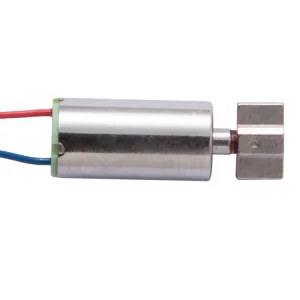
| Coreless Cylindrical ERM | Standard high-amplitude vibration, radial displacement | Haptic alerting, hand-held scanners, toys, medical handhelds | Higher brush friction, standard wear cycle |
| Brushless Flat Coin Vibrators | Z-axis localized haptic pulses, slim footprint | Mobile devices, compact medical wearables, instrumentation panels | Higher driver complexity, limited frequency tuning |
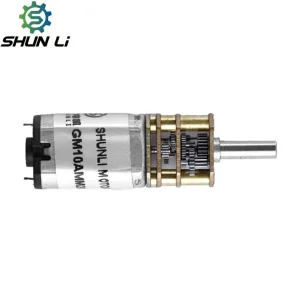
| Micro Planetary Gearbox Vibrators | High-torque mass acceleration, long duty cycles | Automated industrial warning machinery, rugged field equipment | Increased physical volume and gear acoustics |
ApexMicro: Factory-Direct Micro Motors Engineered for Zero-Defect Performance
Tired of trading company markups, communication gaps, and inconsistent batch quality in your motion control supply chain? ApexMicro is the transparent, direct-from-source China factory you’ve been looking for. We engineer and manufacture world-class precision micro drives directly from our manufacturing floors to your global assembly lines under strict, repeatable quality control.
The ApexMicro Pillars of Trust:
- 20+ Years of Manufacturing Integrity: Deep industry heritage since 2006, ensuring stable automated production lines and long-term supply security.
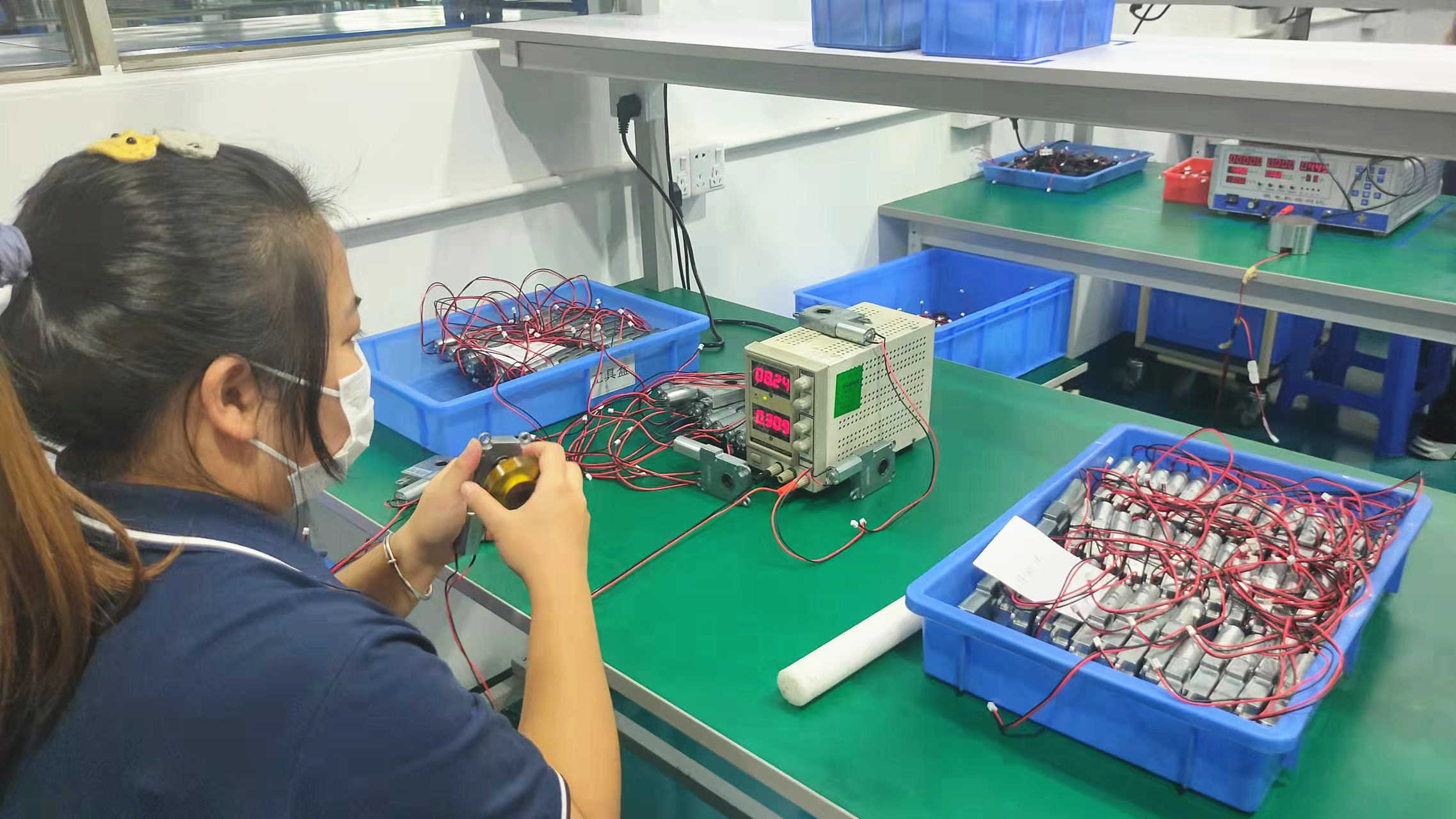
- 100% In-House Loading Tests: Every single motor is subjected to automated dynamic balancing and acoustic tests under real industrial loads before leaving our dock.
- Agile Custom Prototyping: We don't shrink away from non-standard blueprints. We rapidly customize custom shafts, integrated encoders, and specialized gearheads to fit your device housing perfectly.
- Global Compliance Built-In: Our state-of-the-art ecology runs fully compliant with international ISO9001, CE, RoHS, and REACH safety standards.
State-of-the-Art Production & Quality Control Workflows
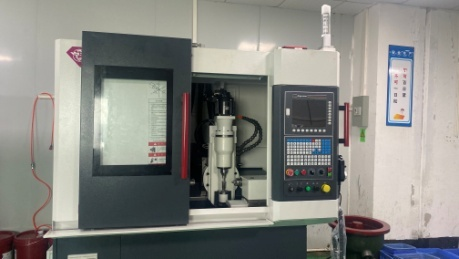
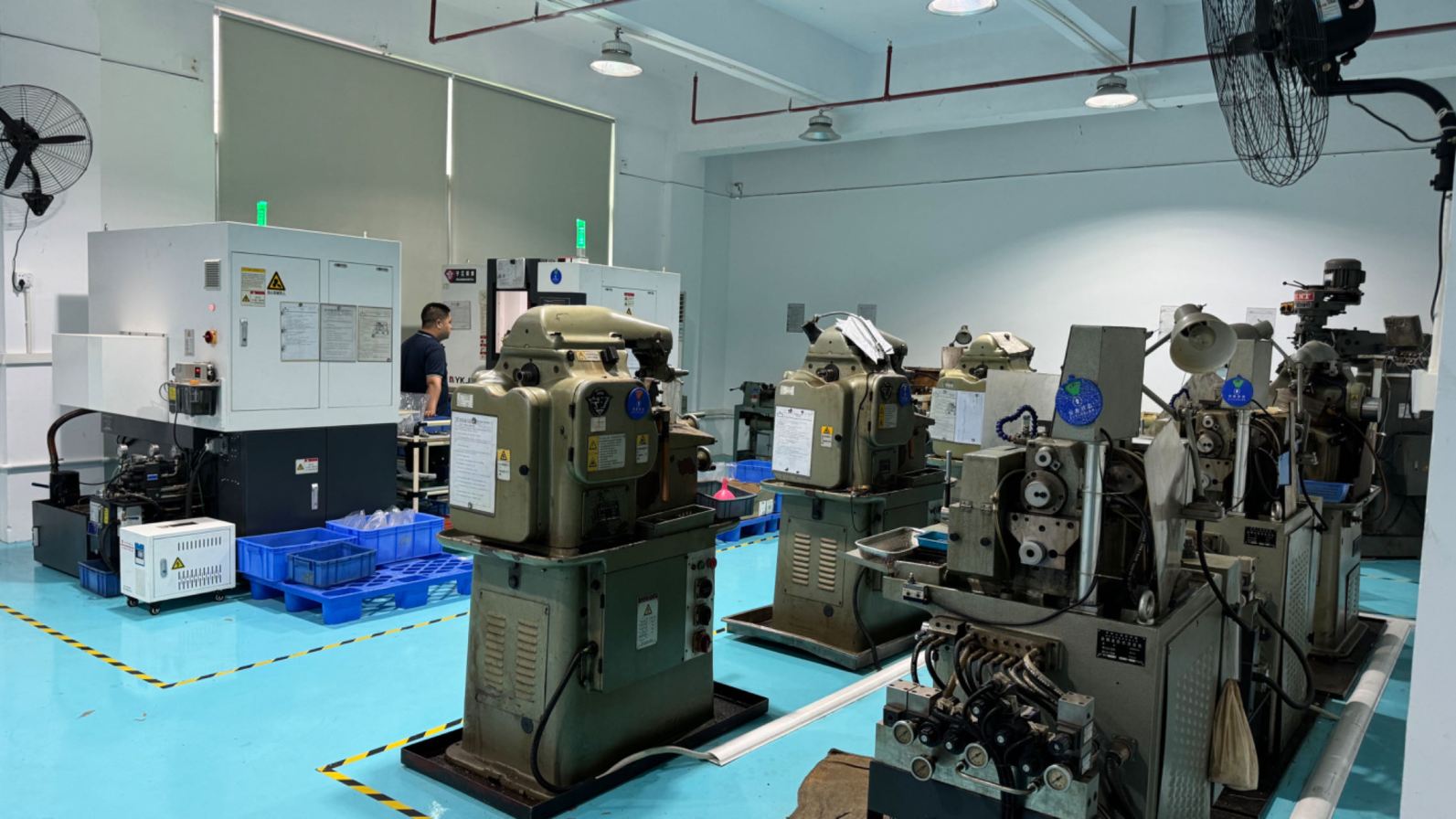
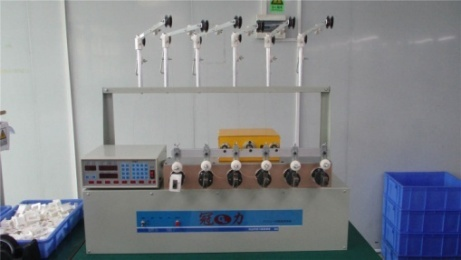
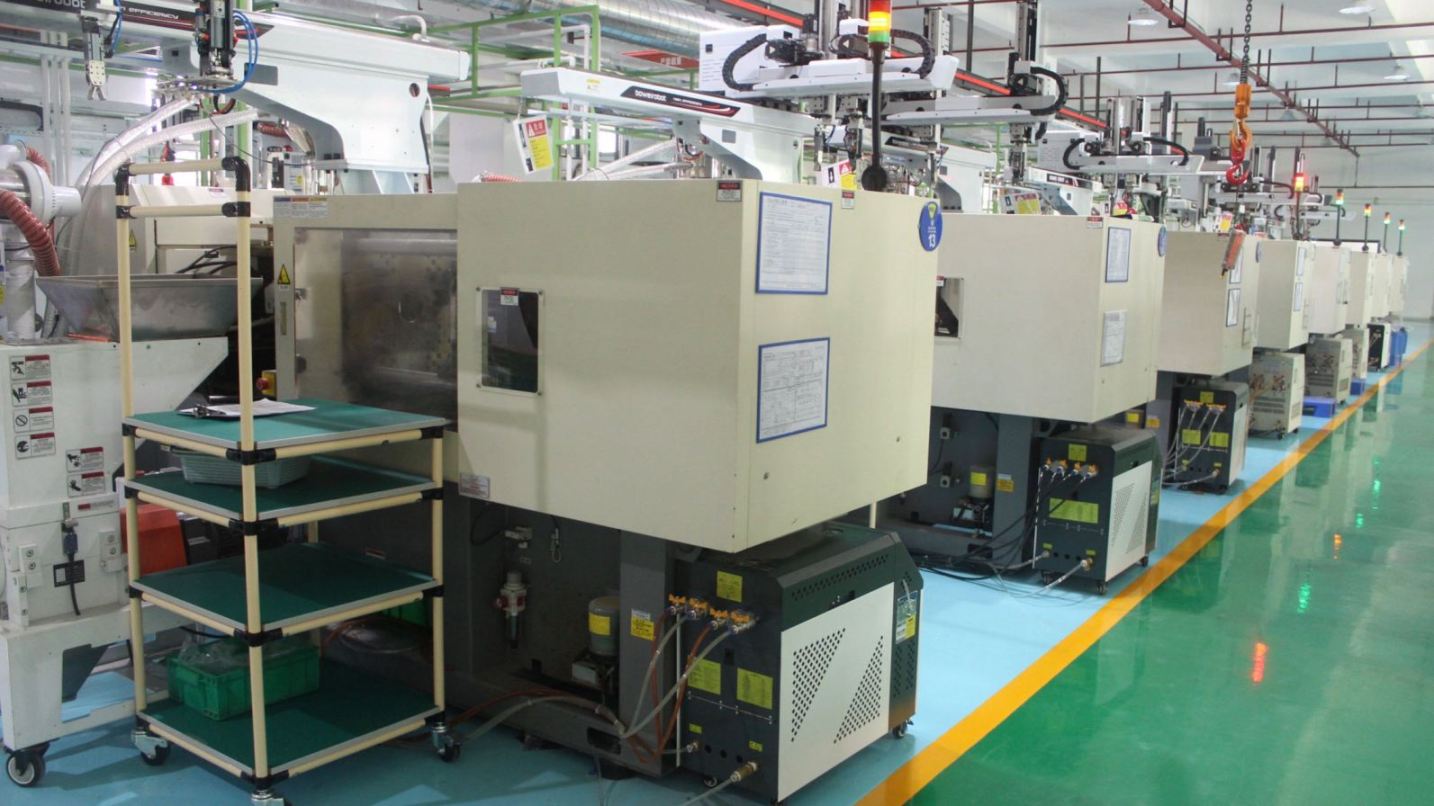
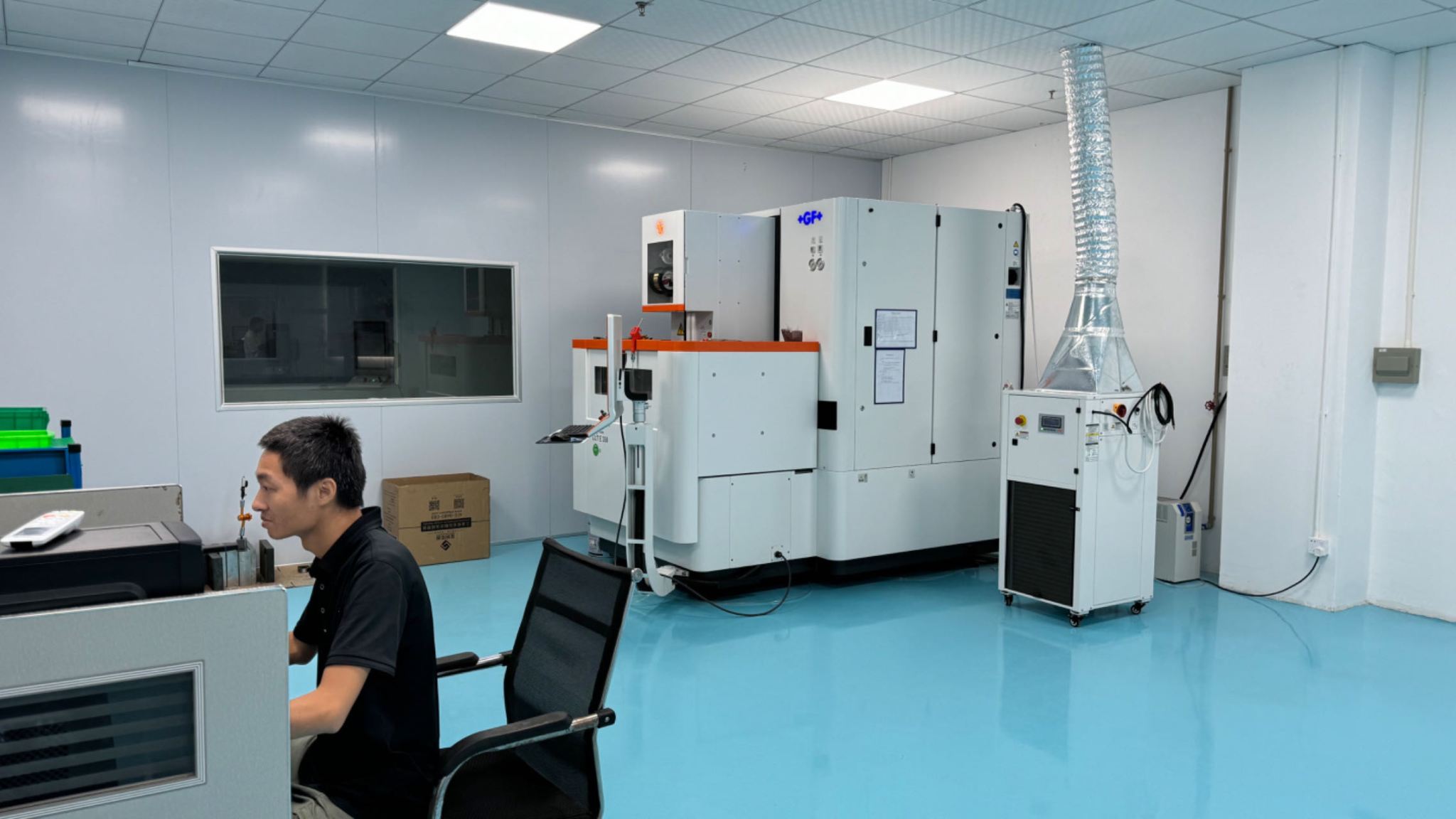
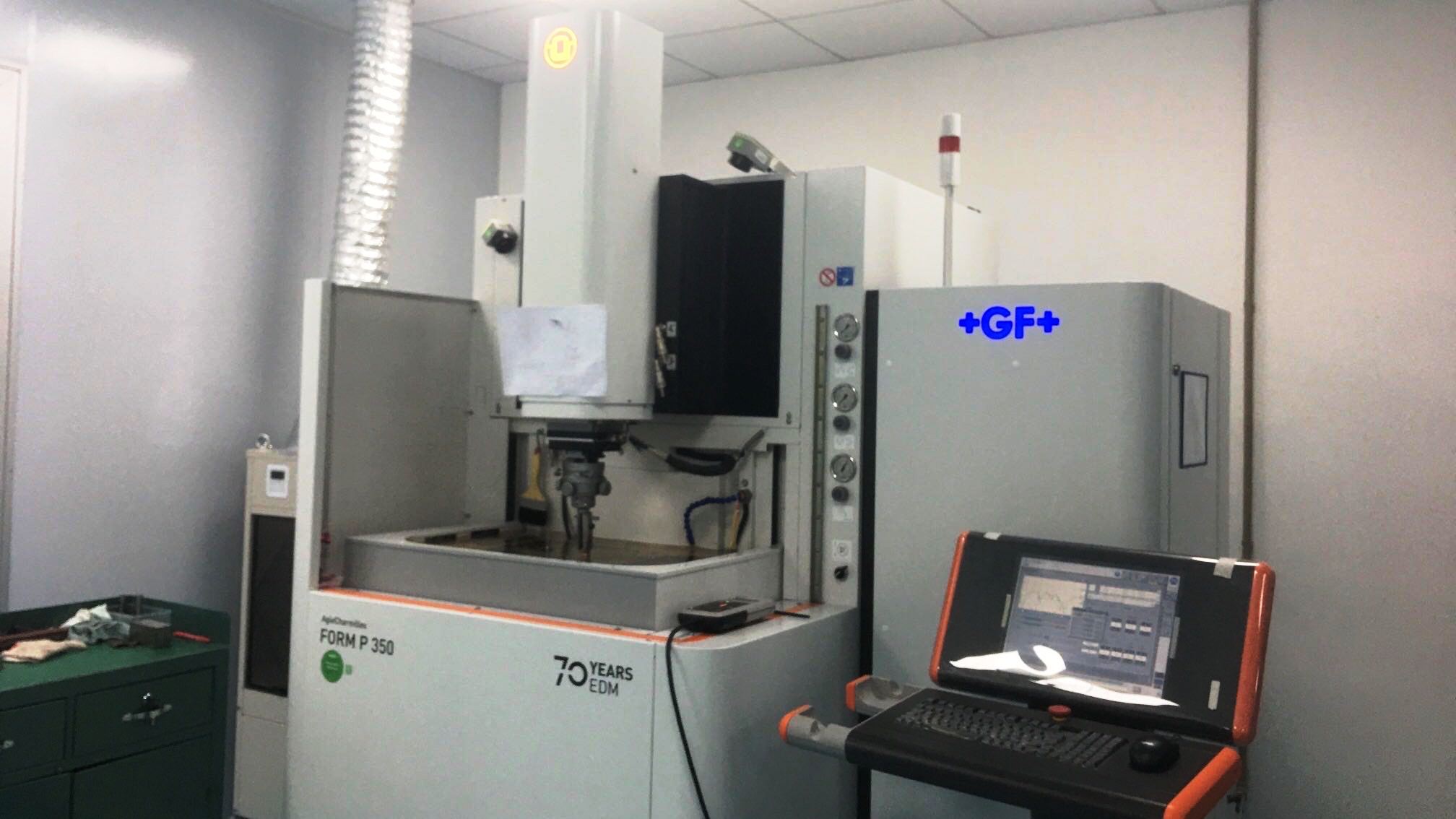
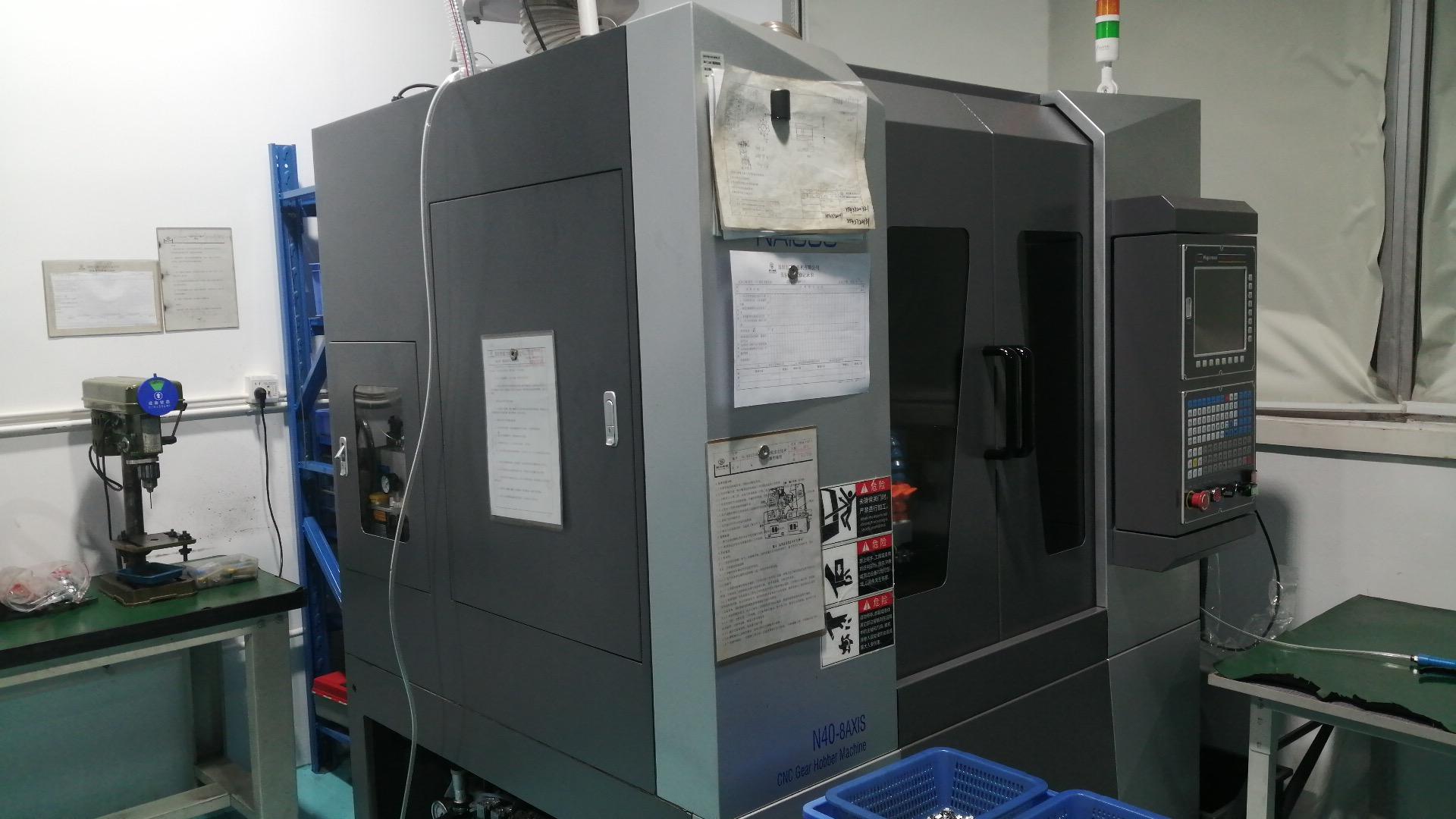
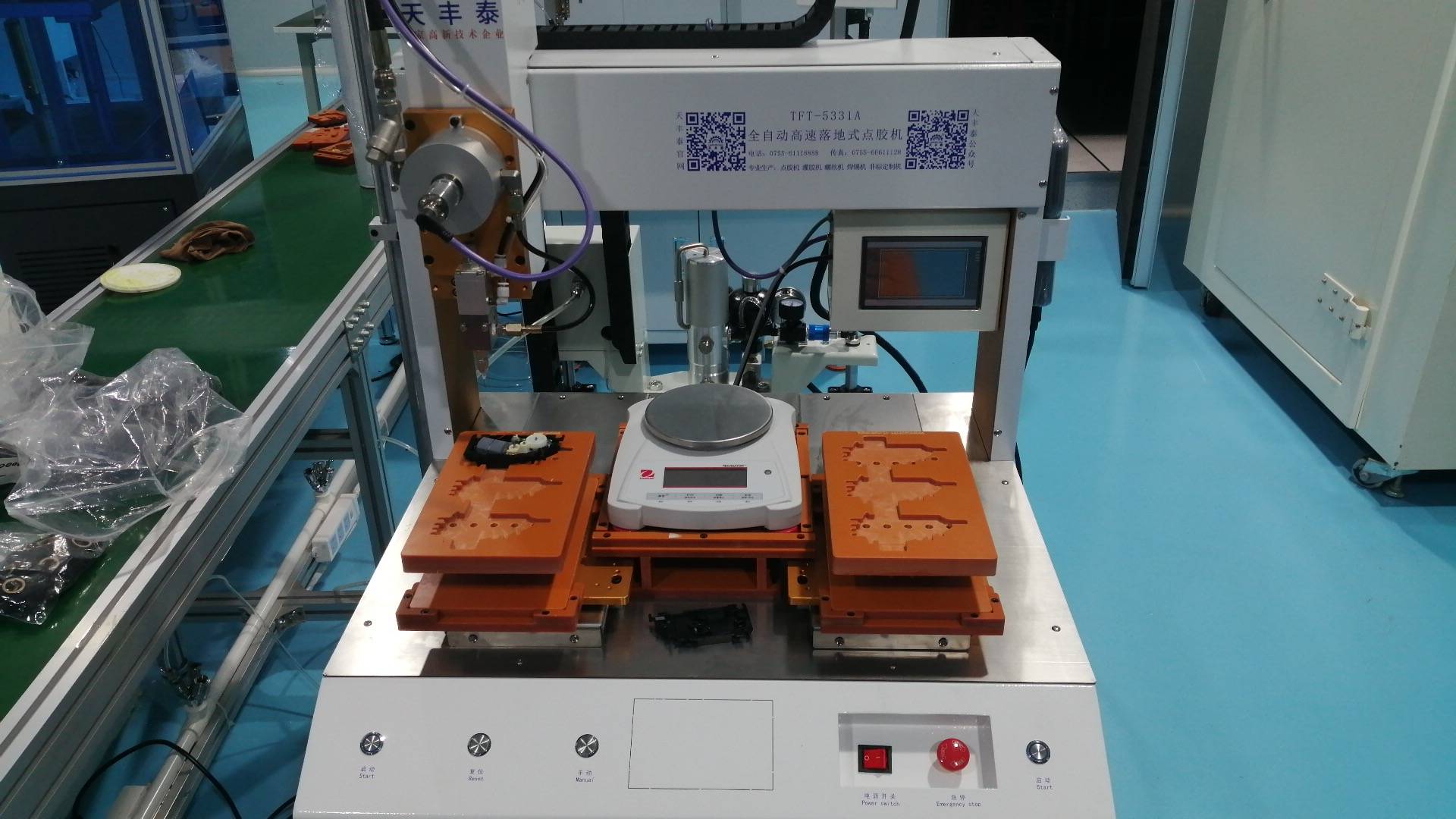
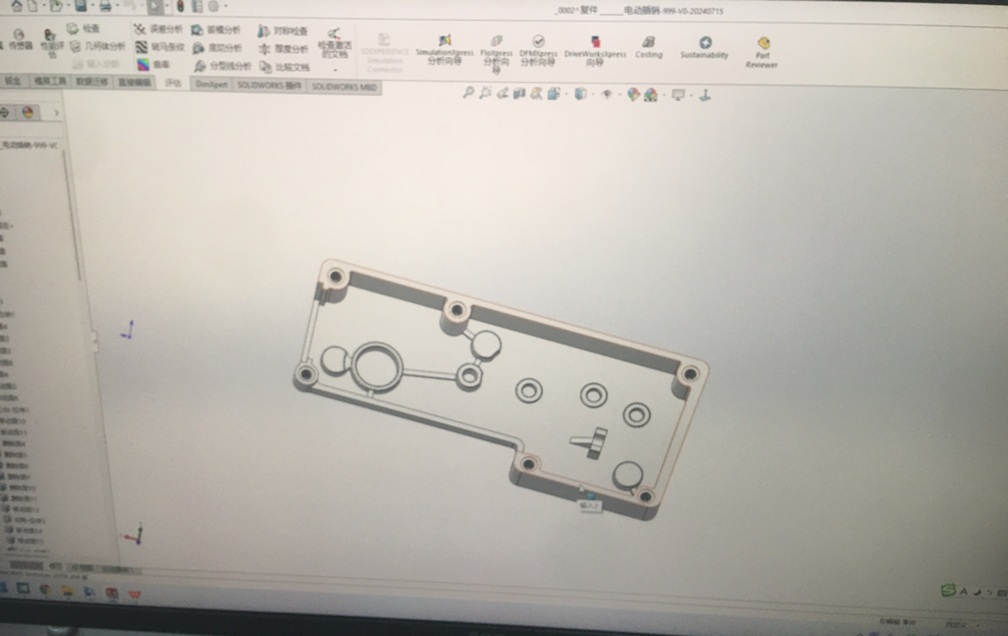
Examine our end-to-end manufacturing floor capabilities. From raw metallurgy to computerized wire winding, we keep every step under rigorous scrutiny.
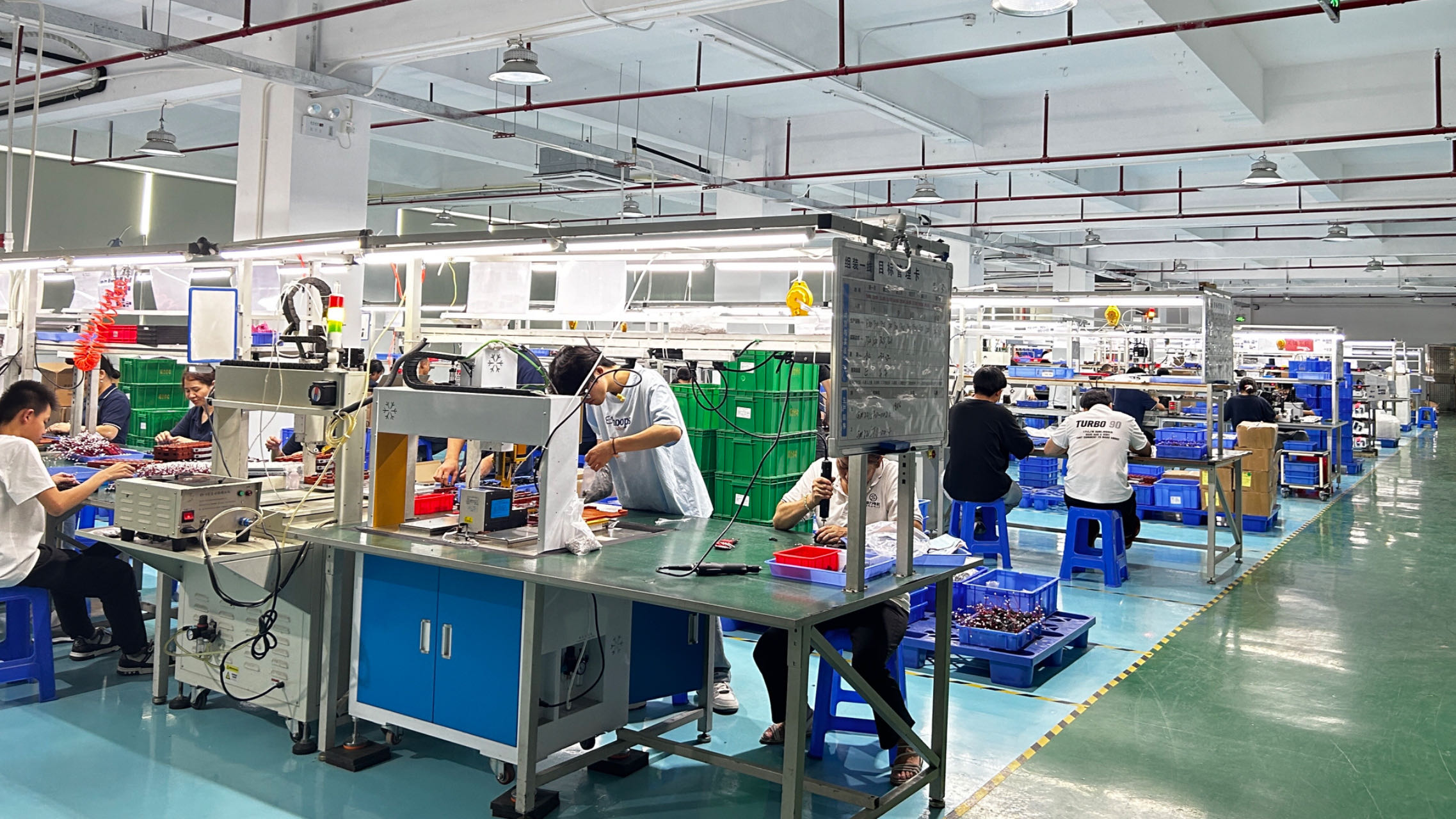
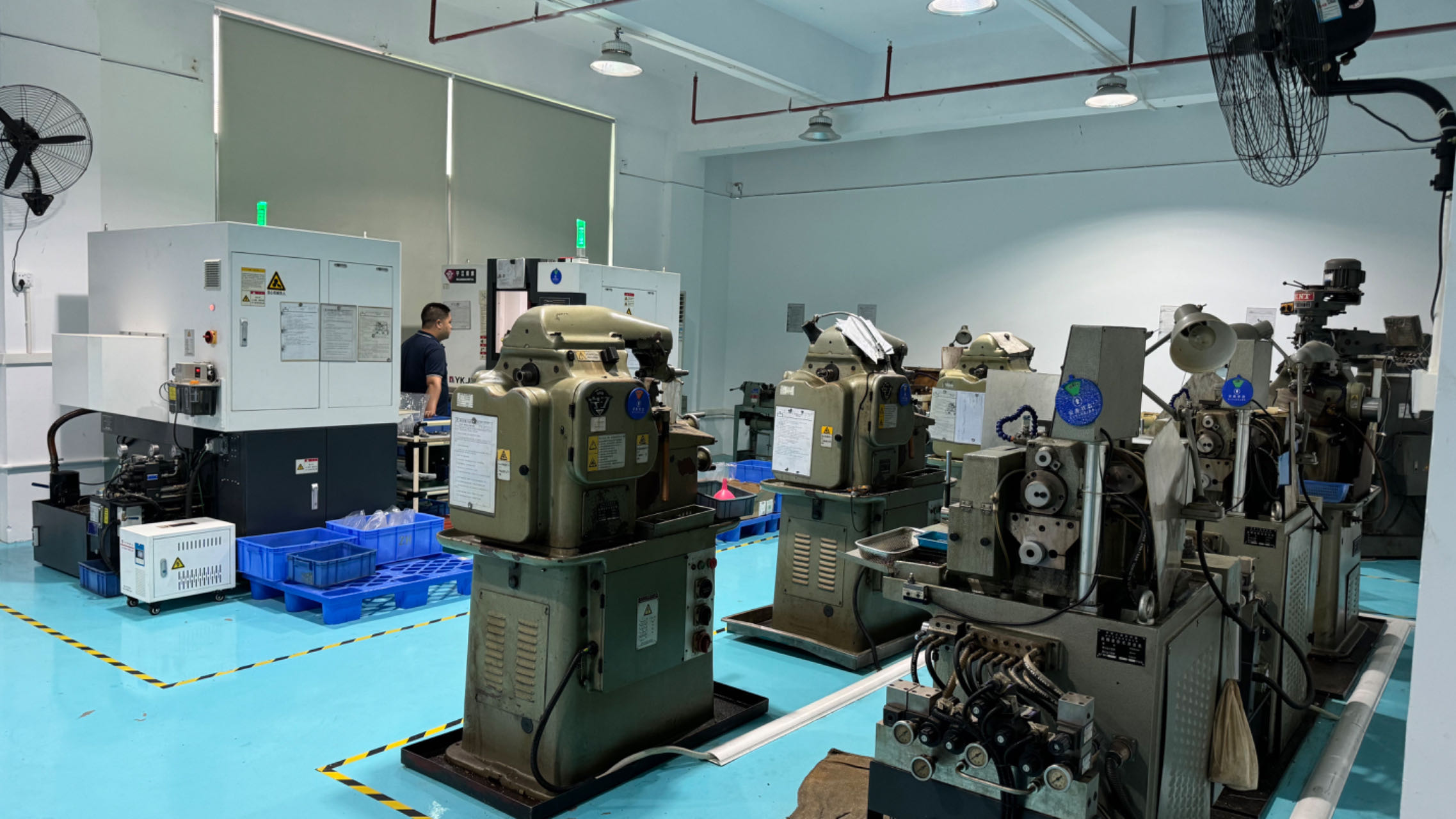
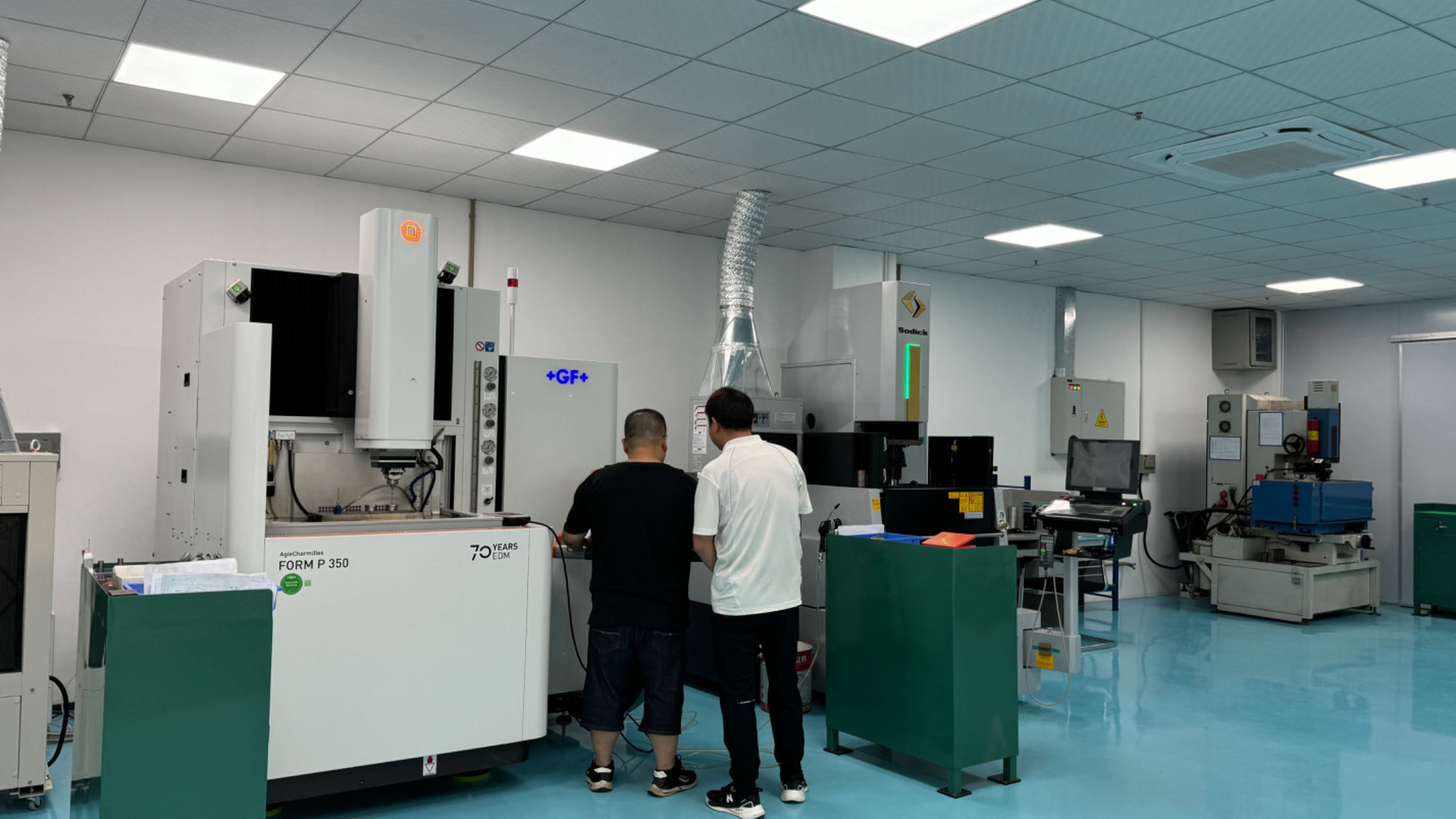
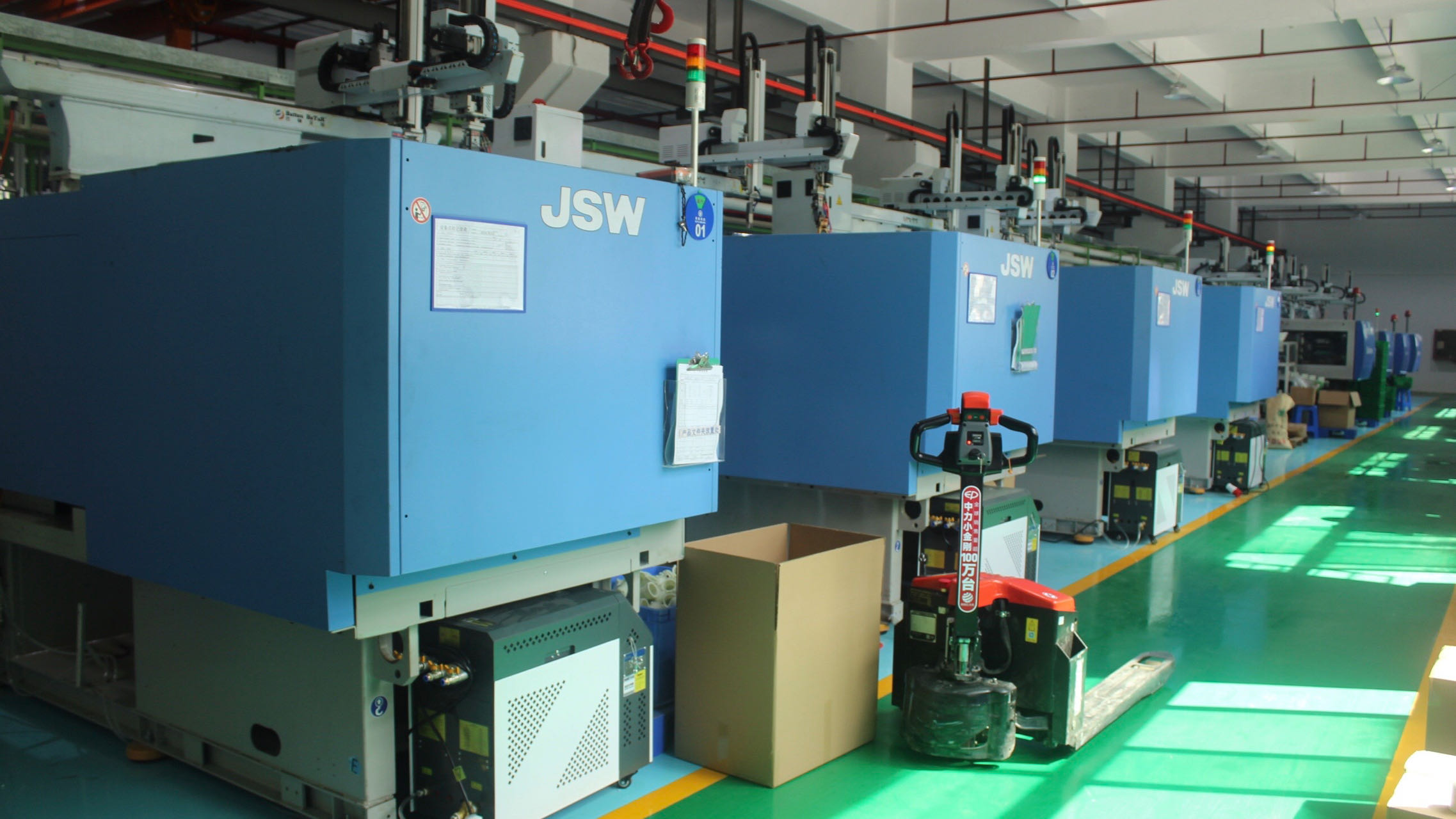
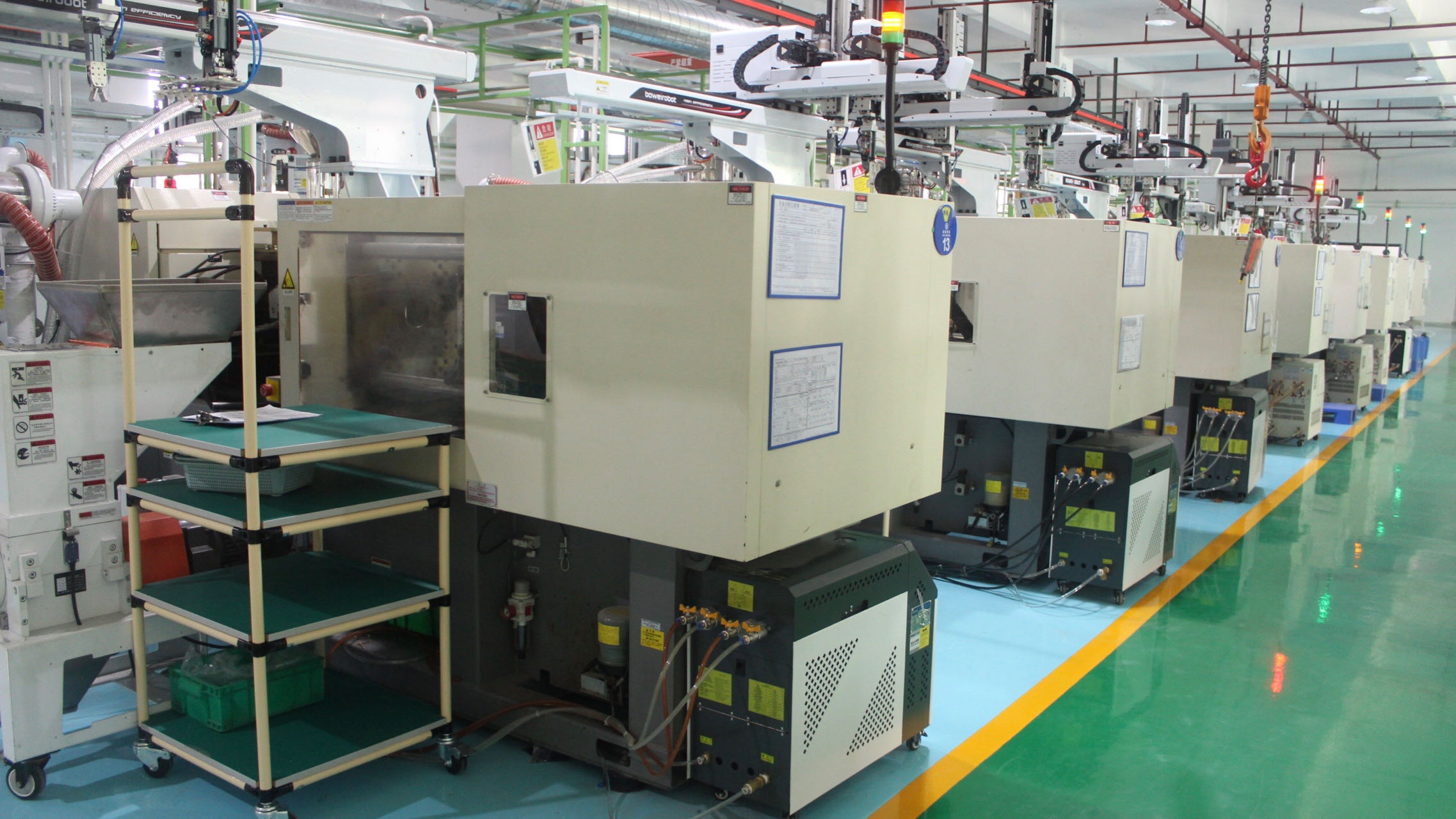
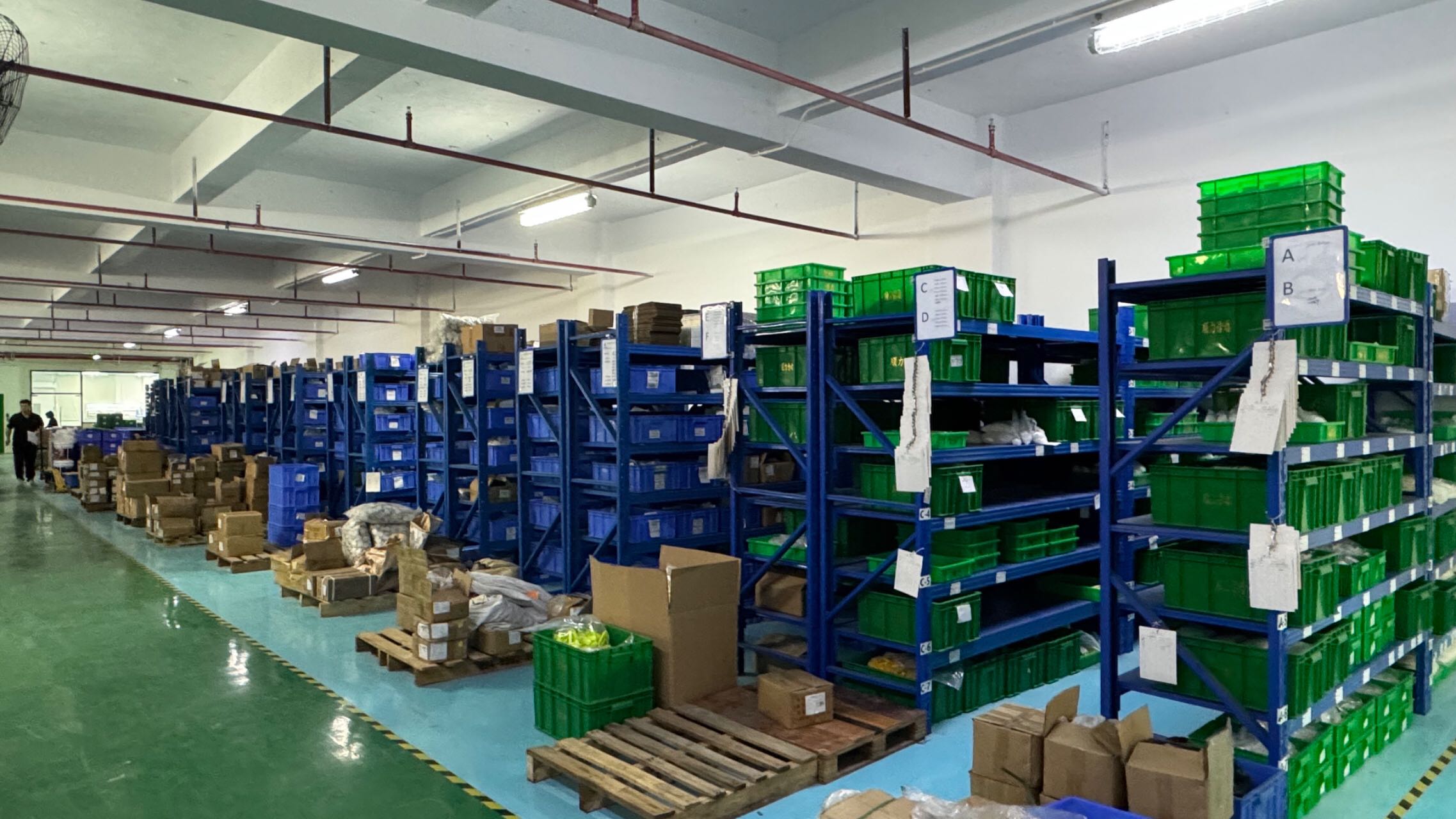
6-Step Manufacturing Sequence

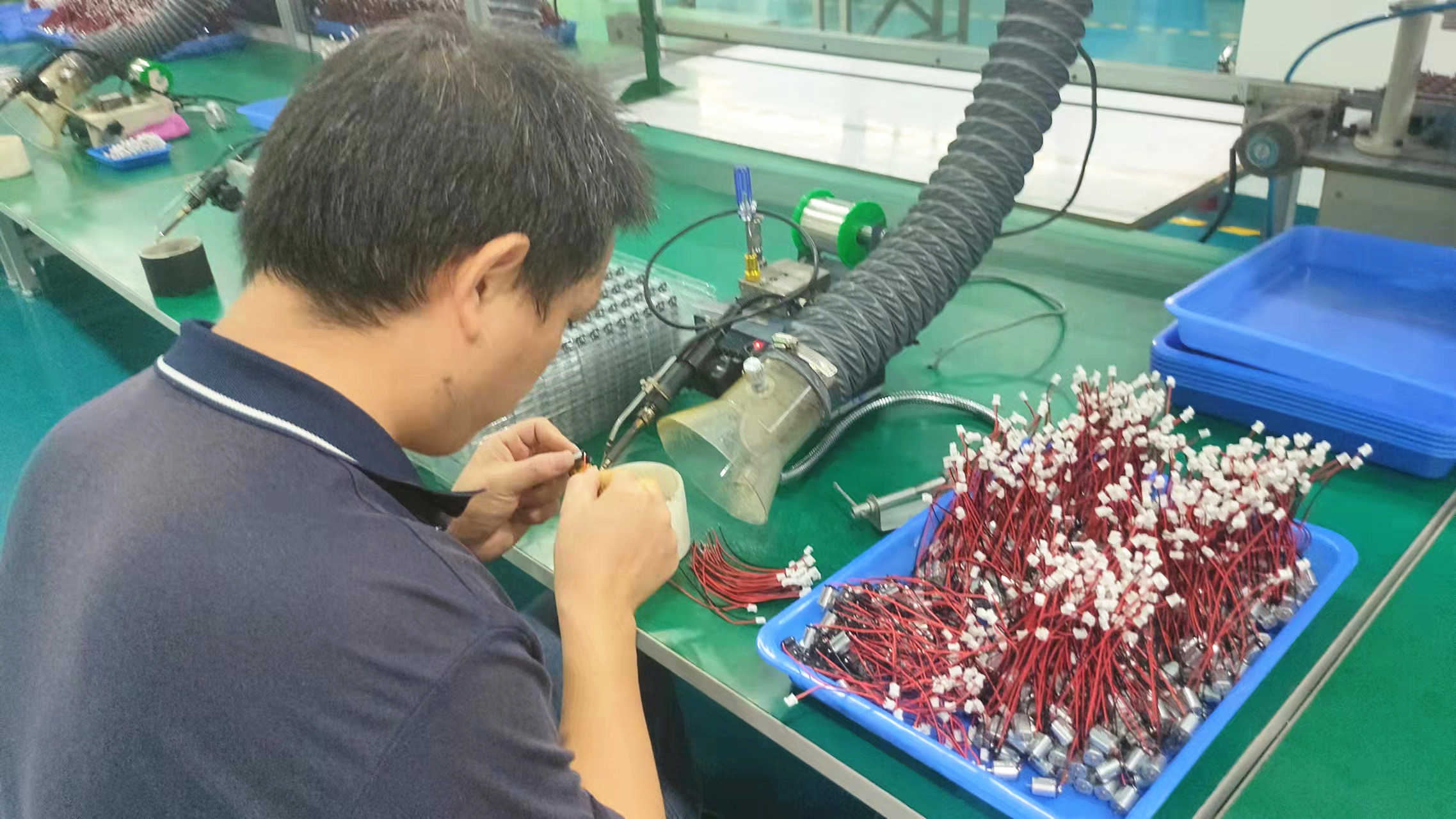
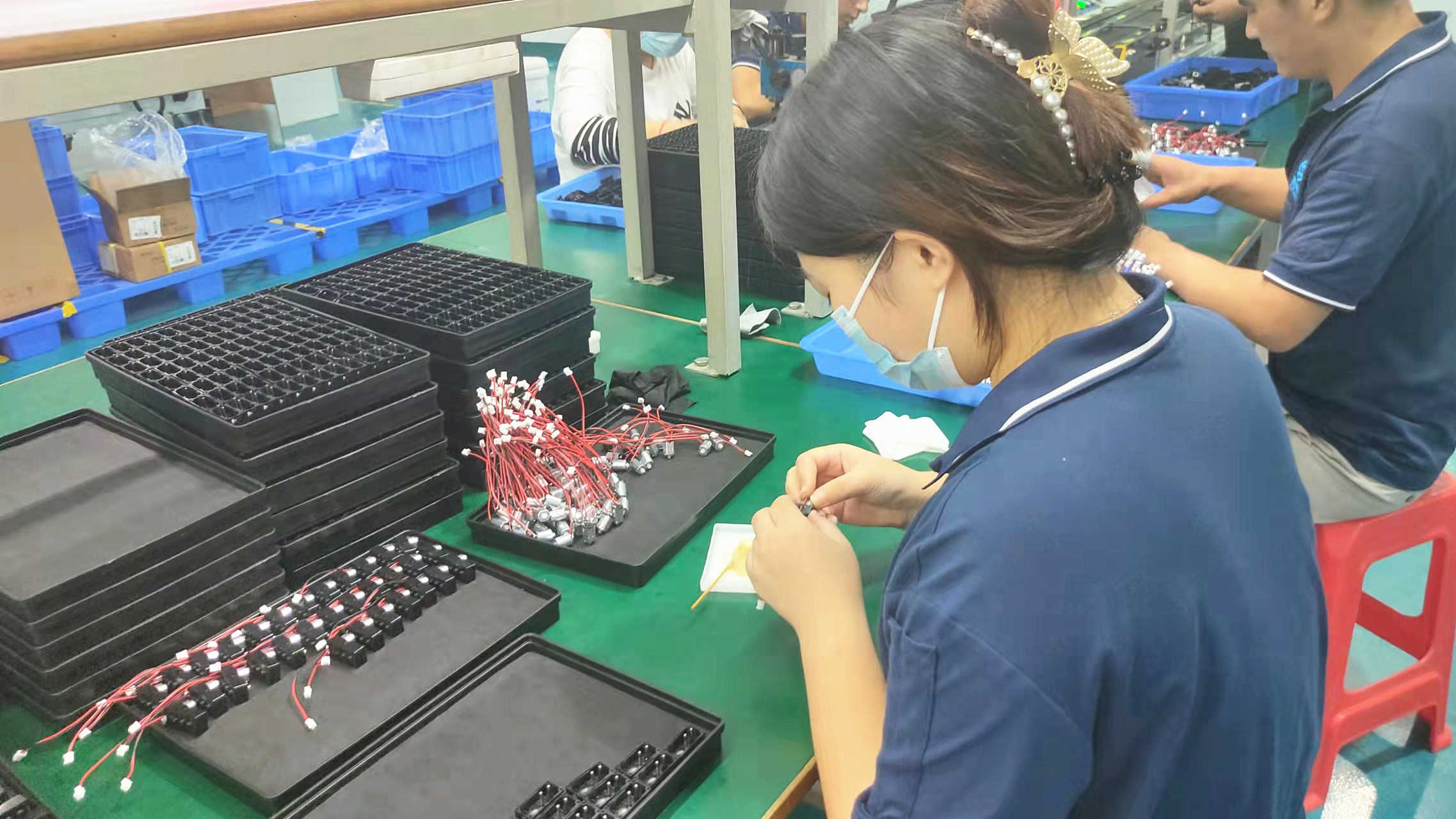
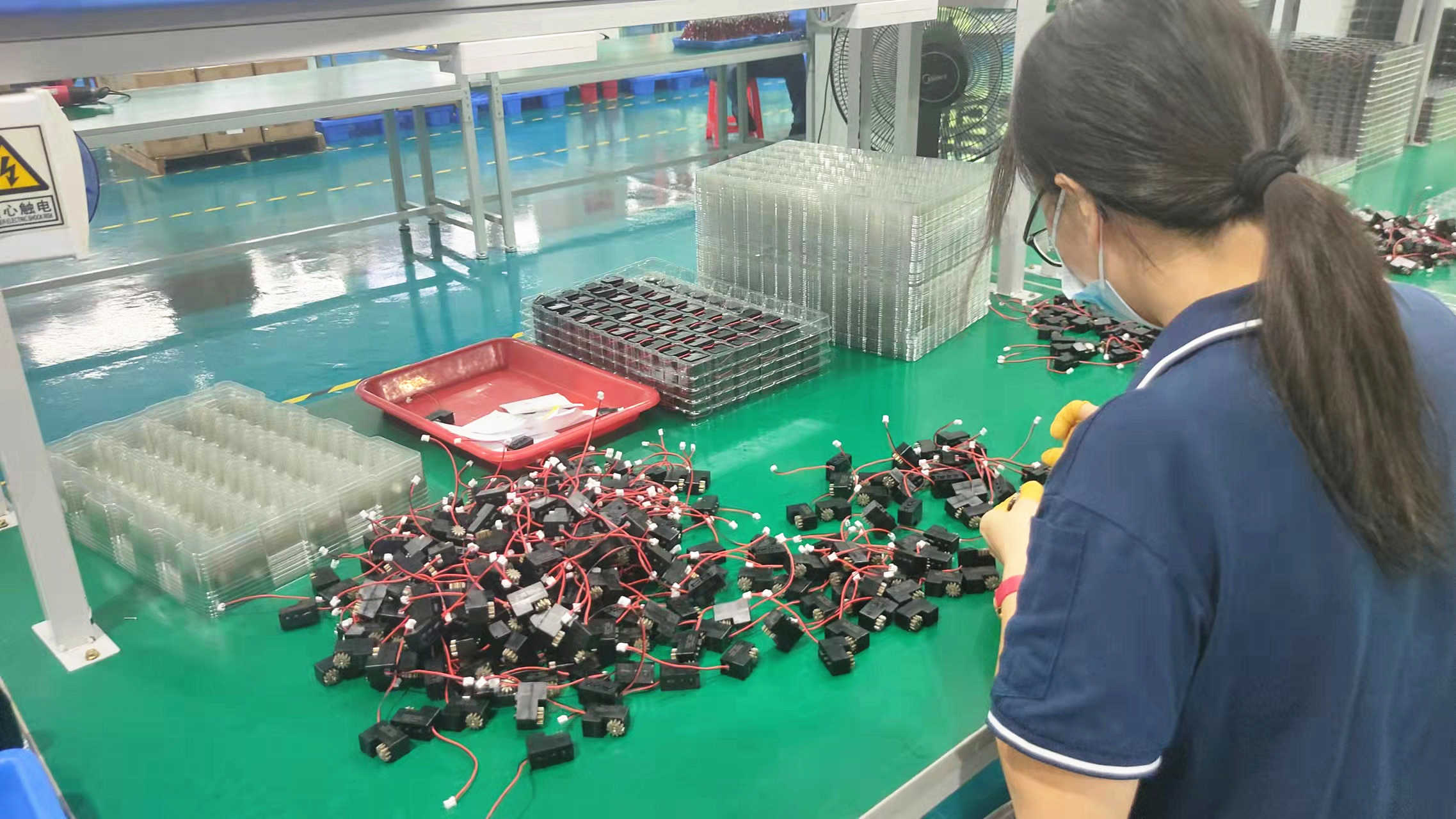
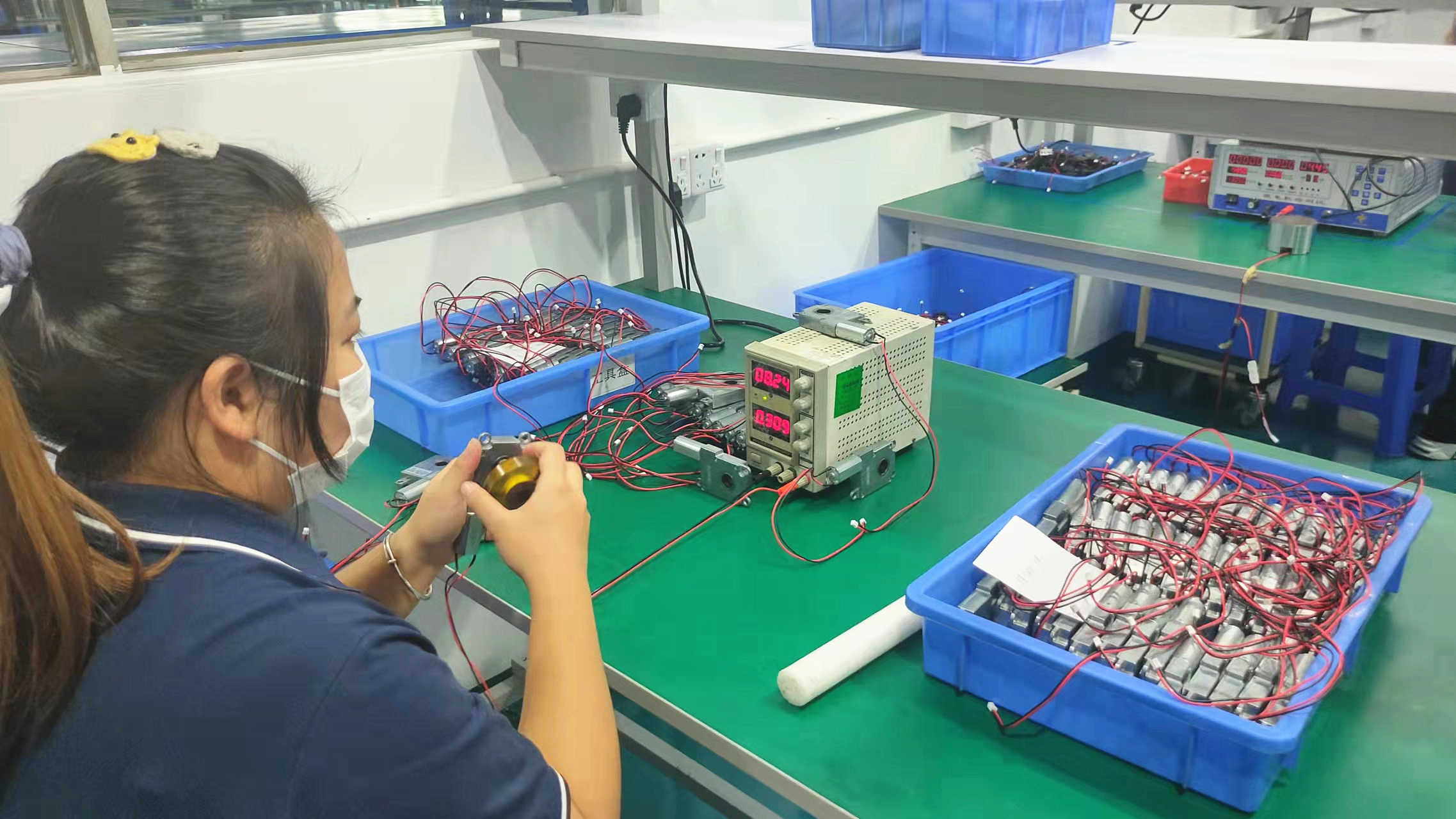
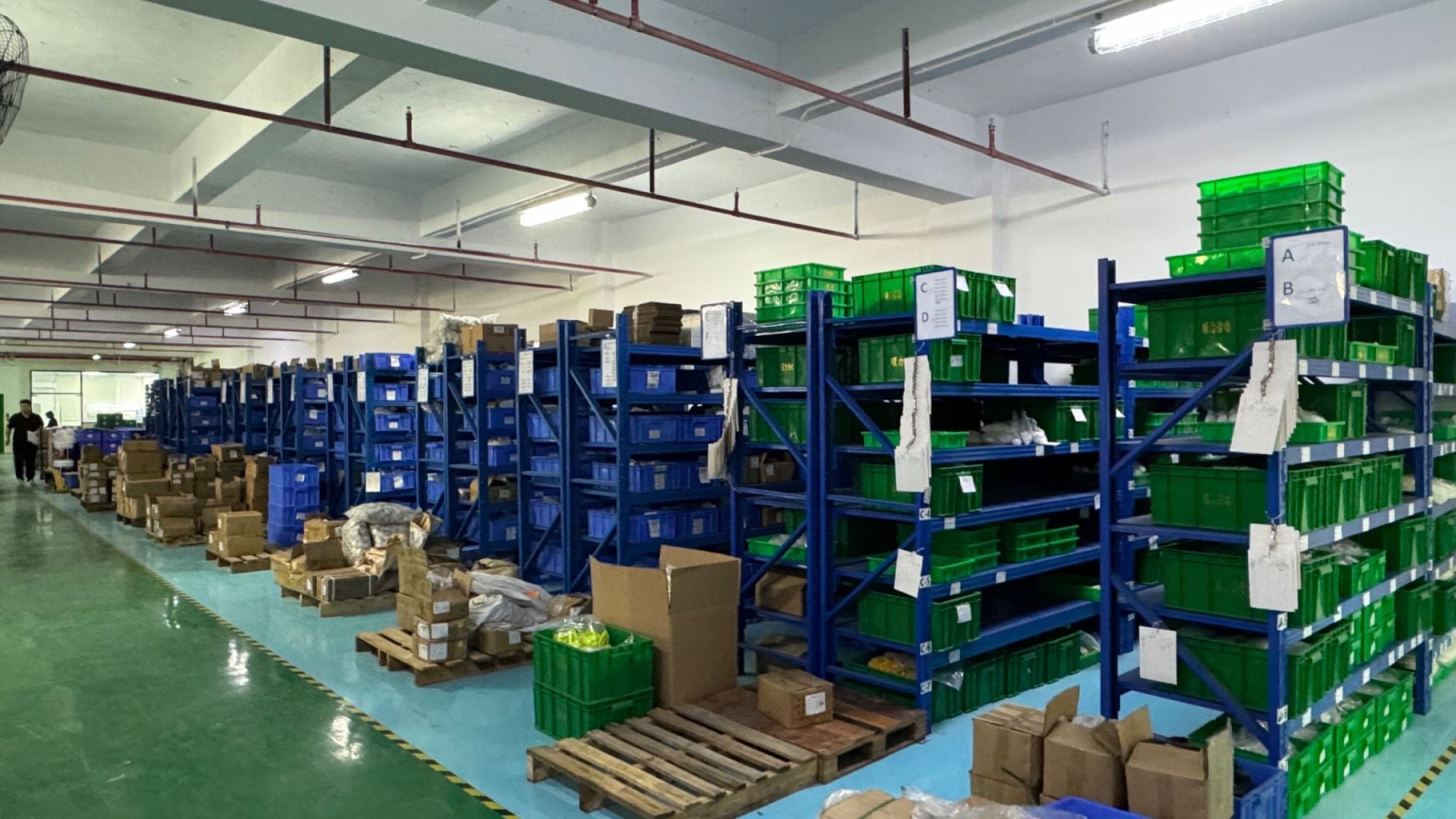
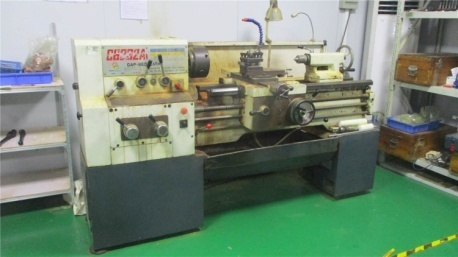
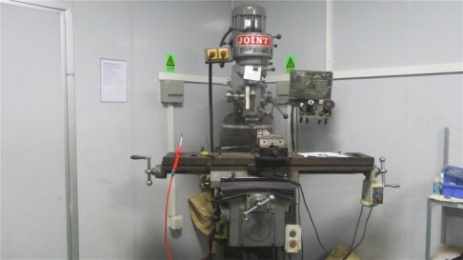
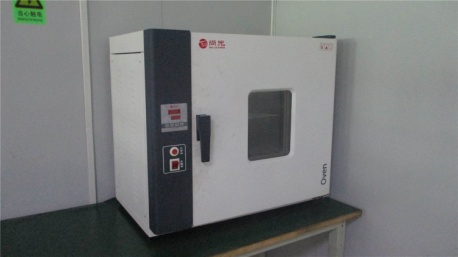
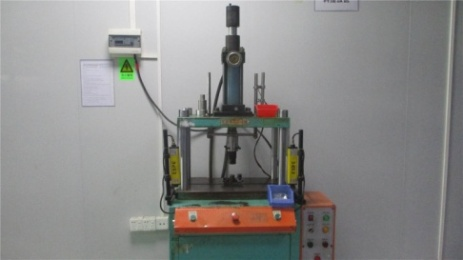
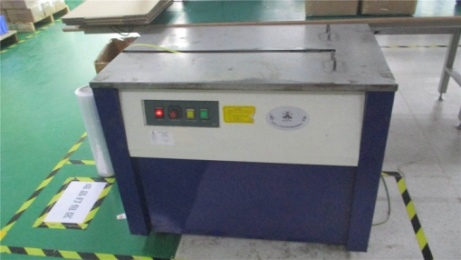
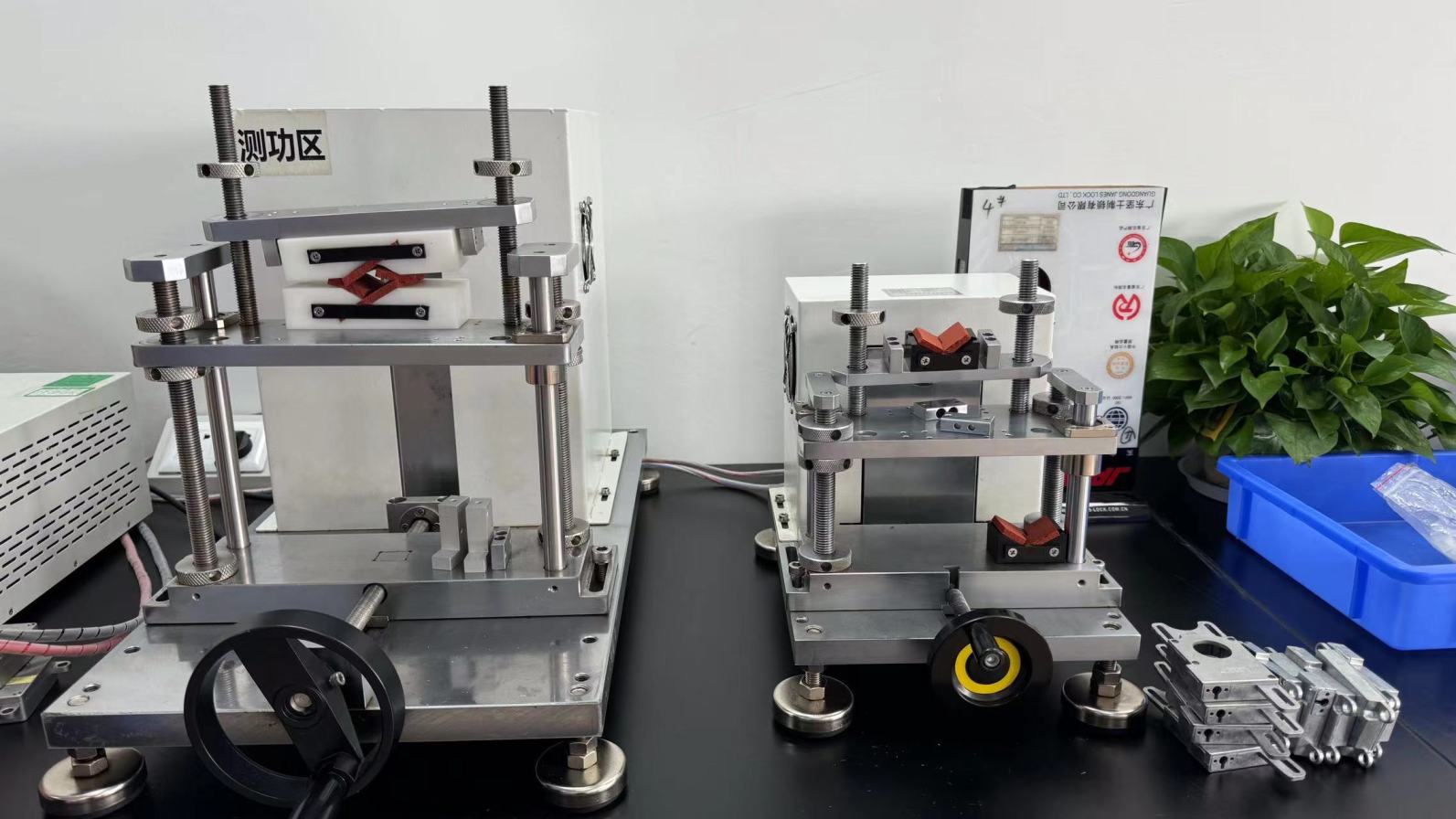
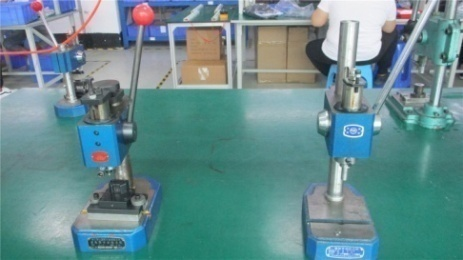
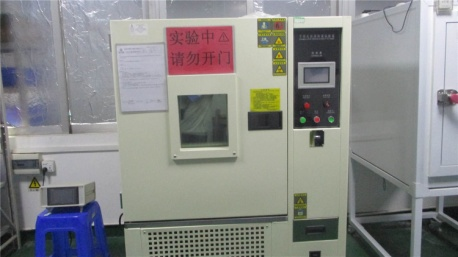
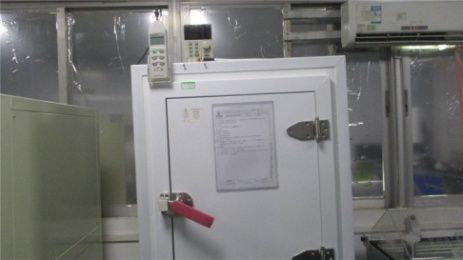
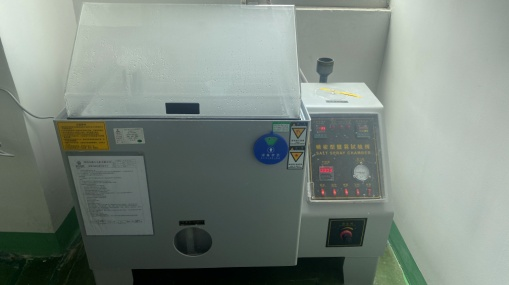
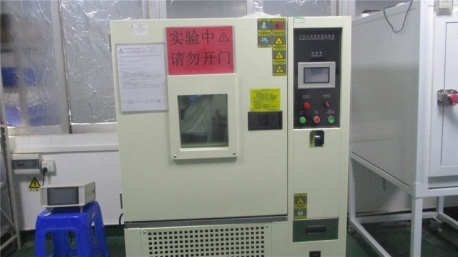
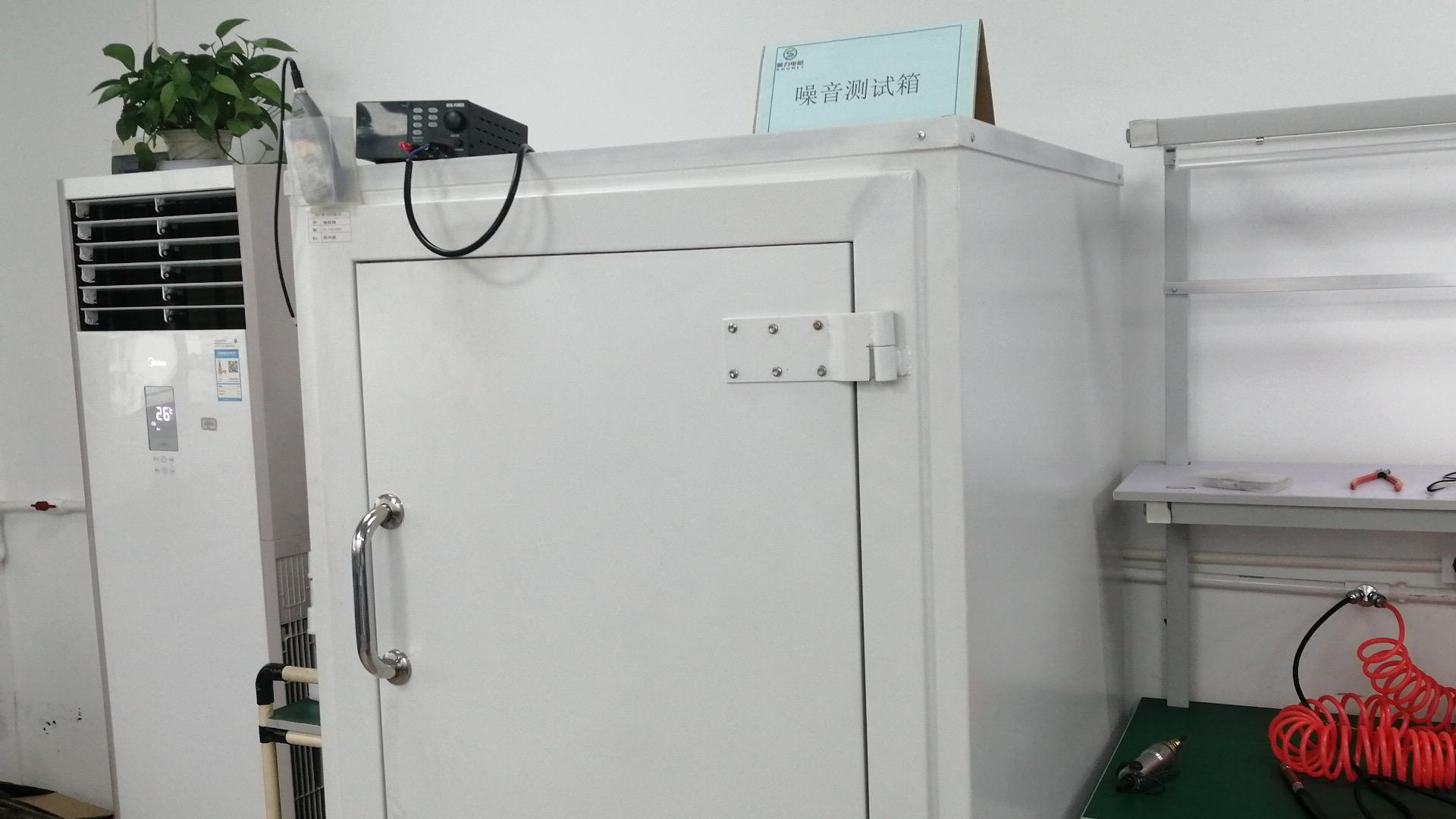
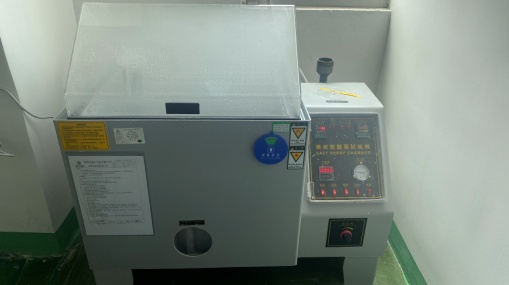
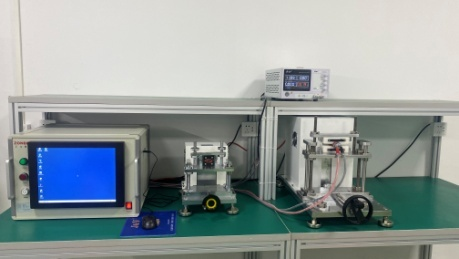
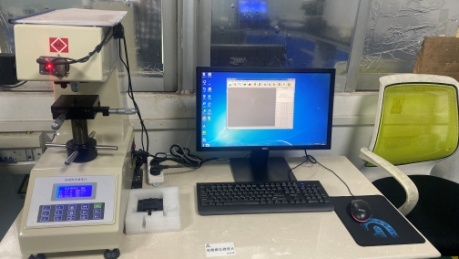
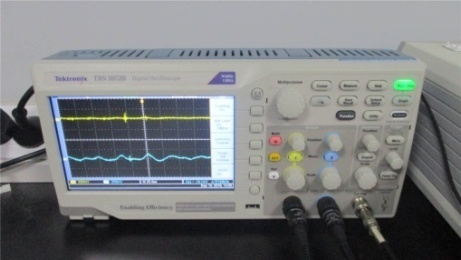
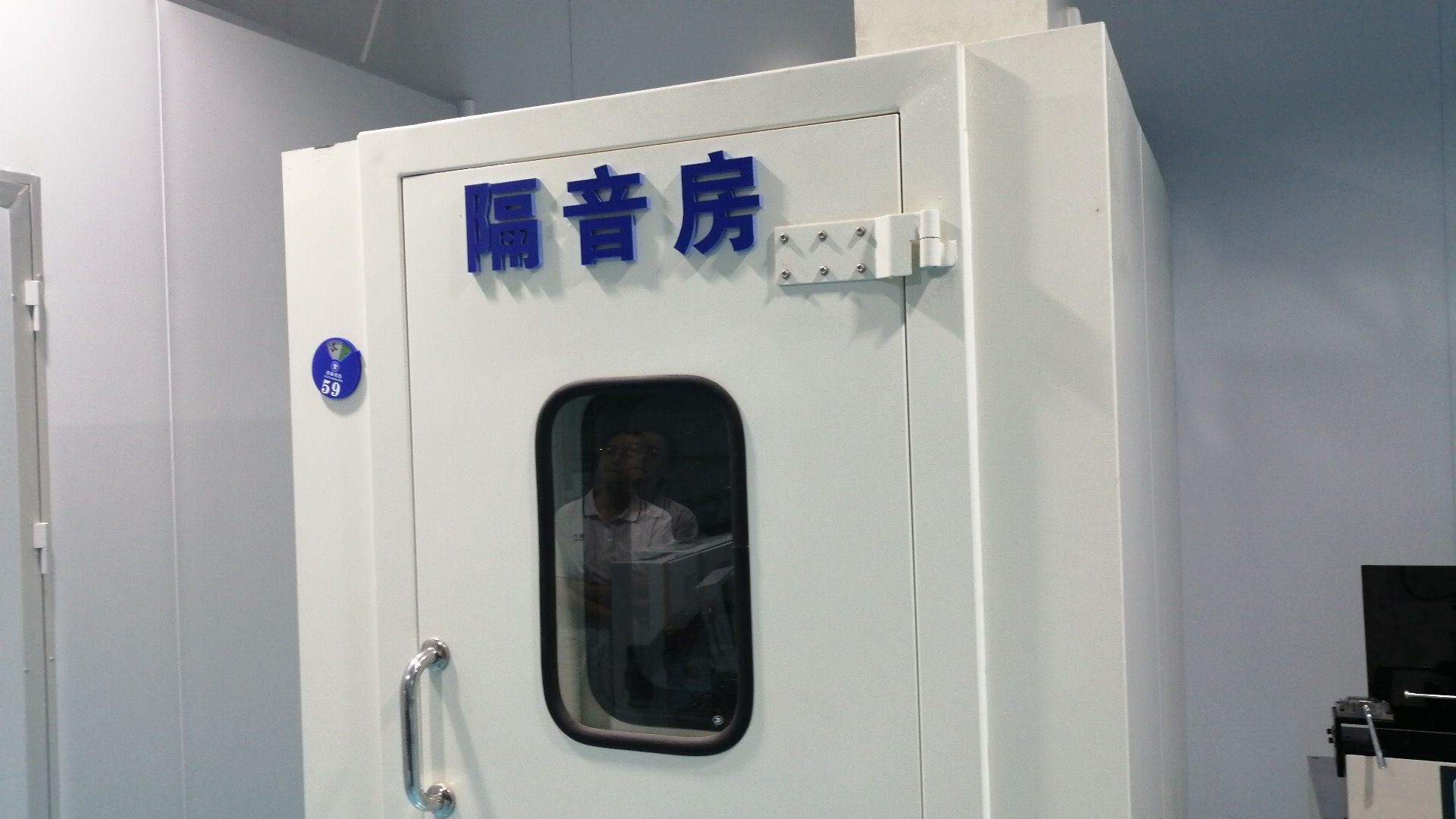
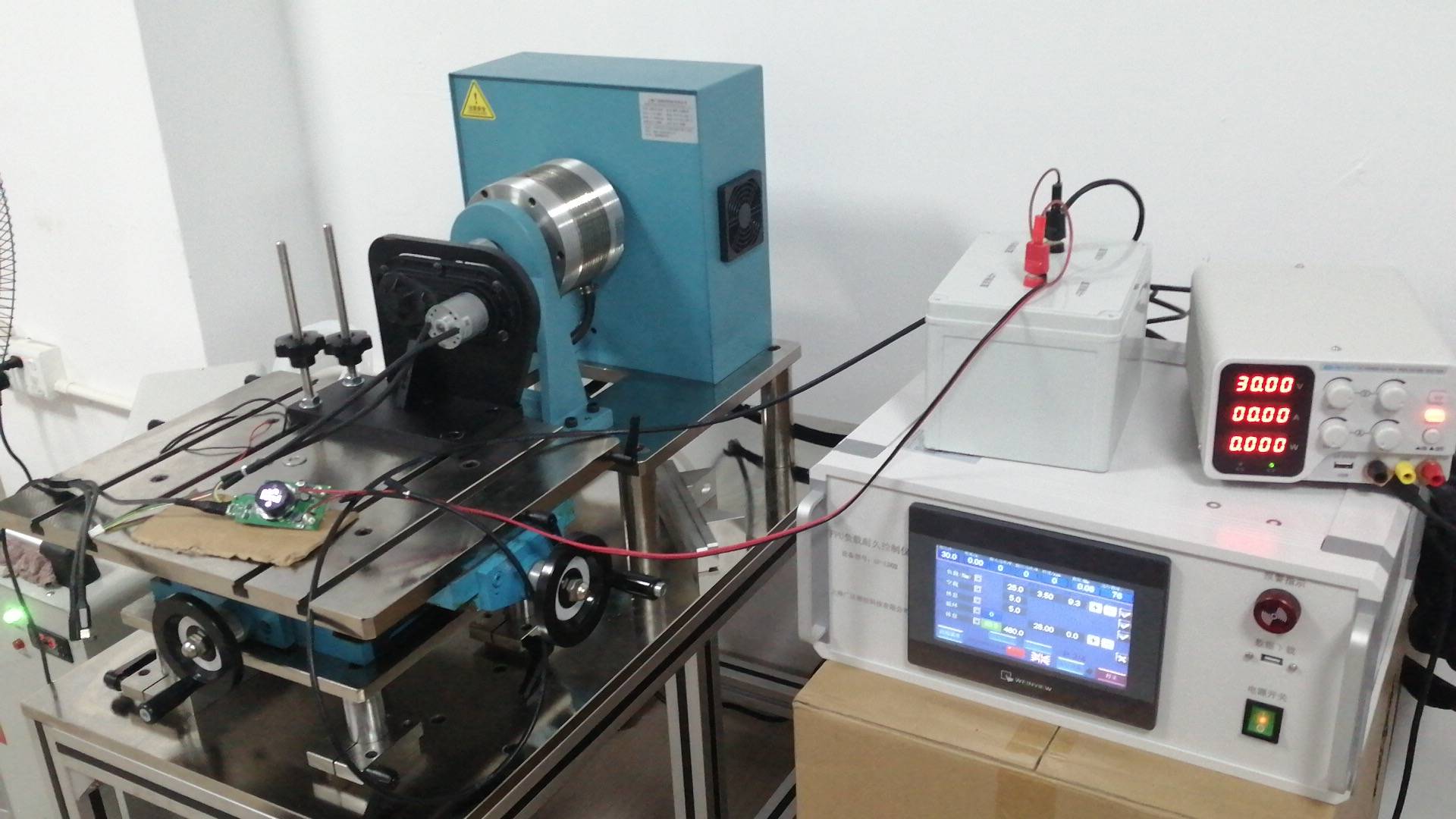
Precision Machining & Quality Testing Infrastructure
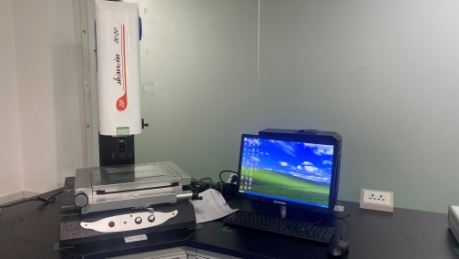
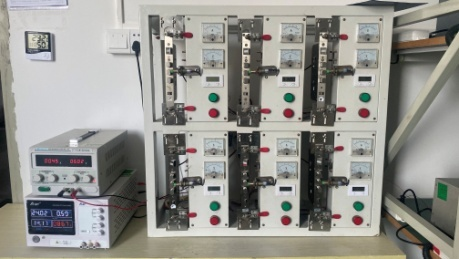
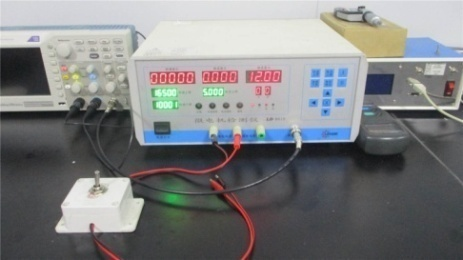
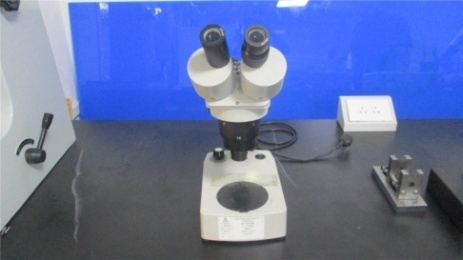
Targeted Solutions for Osaka’s Precision Integration Sectors
How we address the specific technical requirements of Osaka’s advanced engineering hubs.
Medical Instrumentation & Wearable Diagnostics
Osaka’s medical research centers require micro vibration motors with exceptionally clean electromagnetic compatibility (EMC) outputs. Our coreless motors are engineered with rare-earth NdFeB magnets, ensuring robust vibration profiles with minimal current leakage and no interference with diagnostic sensor signals.
Industrial HMI & Remote Telemetry
For smart grid systems and industrial control terminals designed in Kansai Science City, we supply vibration motors optimized for continuous, reliable duty. These units provide haptic confirmation to workers operating heavy equipment in high-noise environments.
Premium Wellness & Massage Technology
Modern personal health systems demand high speed coupled with whisper-quiet operation. Using our state-of-the-art Soundproof Testing Chambers, we calibrate our eccentric masses to guarantee stable frequencies (up to 10,000 RPM) while keeping acoustic emissions below 38 dBA.
Comprehensive Product Directory
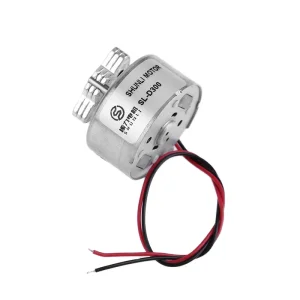
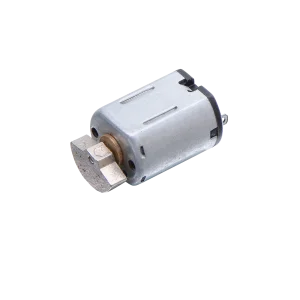
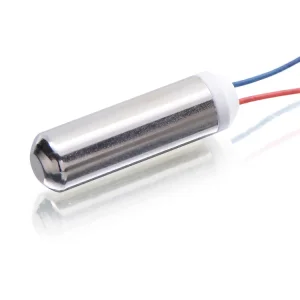
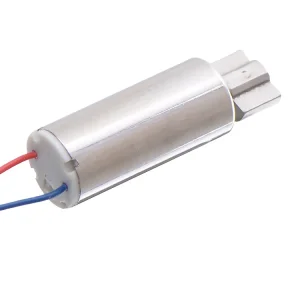
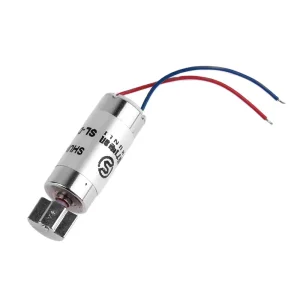
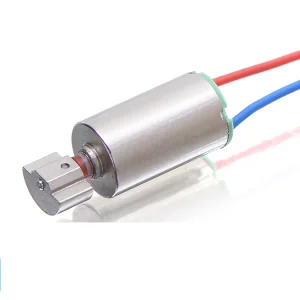
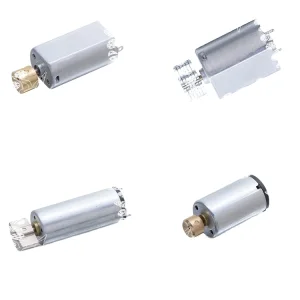
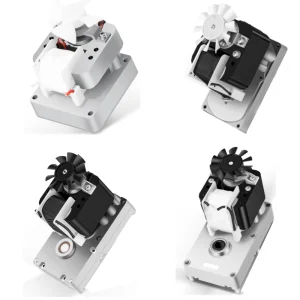
12 specialized variants configured for diverse supply pathways, from toys and wellness devices to household appliances.
Technical Sourcing & Quality Q&A
Clear, engineering-driven answers to the most common questions raised by procurement managers and design engineers in Osaka.
Q1: What parameters can be customized for OEM integration in our existing device chassis?
A: We can fully customize the eccentric weight shape, size, and material (e.g., high-density tungsten alloys to maximize G-force output within limited space constraints). Additionally, shaft length, lead wire configurations (JST/Molex connectors, flexible printed circuits (FPC)), and custom mounting brackets can be engineered to your 2D/3D CAD specifications.
Q2: How does ApexMicro ensure batch consistency and minimize performance drift across high-volume shipments?
A: Our QC infrastructure uses advanced automated test stations that subject 100% of motors to dynamic load, starting voltage, current consumption, and speed tests. Key components like brushes and commutators are sourced from certified metallurgical suppliers, minimizing electrical noise and mechanical degradation variations.
Q3: How are the low-noise requirements met for motors integrated into medical or wellness devices?
A: Noise reduction is achieved through several design details: high-grade dampening lubricants, rubber isolation gaskets, and automated precision balancing of the eccentric mass to prevent shaft wobbling. Finally, our dedicated Acoustic Testing Chambers verify that production batches stay below 40 dBA ambient threshold under testing conditions.
Q4: Are your micro vibration motors compliant with environmental regulations for export from Japan to the EU?
A: Yes. All materials used in our production lines, including lead-free solder and plastics, are certified compliant with ISO9001, CE, RoHS, and REACH guidelines. We provide compliance documentation and material data sheets upon request to support your international distribution compliance audits.
Q5: What is the typical life expectancy of your coreless DC vibration motors under continuous usage?
A: Depending on the operating voltage and load profile, our standard precious-metal brush coreless motors run for 100,000 to 500,000 cycles (standard test sequence: 1s ON / 2s OFF). For continuous-duty applications, we can optimize brush compositions or suggest brushless motor profiles to extend operating lifetimes.
Q6: What is the minimum order quantity (MOQ) for custom-engineered micro vibration motors?
A: For standard models with minimal shaft modifications, our MOQ begins at 1,000 units. For fully customized micro-planetary setups or complex FPC integration, the typical MOQ is 5,000 units to ensure manufacturing efficiency. We also support low-volume prototype runs for verification before scheduling full production batches.