Precision Micro Motors for Argentina Applications
High-torque configurations optimized for the harsh ambient conditions and local power requirements of Argentine industrial systems.
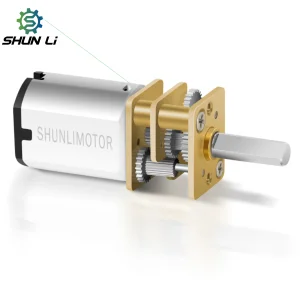
Buenos Aires Automation: Shunli Custom 5v 60rpm 12*10mm Gearbox motor Plus N30 Permanent Magnet Dc Gear Motor 12V
View Specifications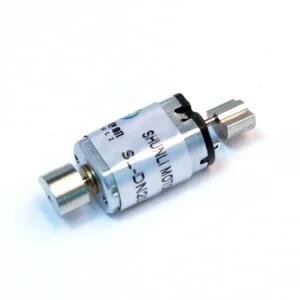
Cordoba Medical Grade: N20 Vibration Motor for Adult Toy Massager 12 mm High Speed DC Micro Vibrating Motor
View Specifications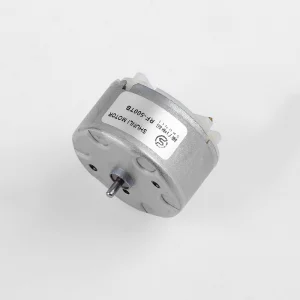
Rosario Ag-Airflow System: Micro Rf-500tb-14415 Dc Motor Blower Motor with Overload protection
View Specifications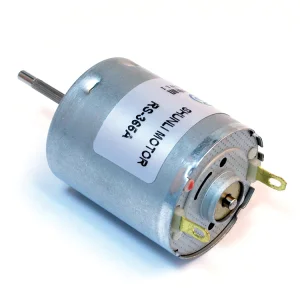
Mendoza Wine Sorting Equipment: Electric Dc Motor Micro Toy CAR Permanent Magnet FAN Boat Brush Home Appliance Dc Motor 8000rpm Gear Motor
View SpecificationsPlanetary Gear Motors in the Argentine Industrial Landscape
Argentina's industrial matrix is undergoing a transition toward intelligent automation, high-efficiency agricultural processing, and high-precision resource extraction. The demand for reliable Planetary Gear Motors has surged as manufacturing entities in Buenos Aires, Córdoba, and Santa Fe update their mechanical drive setups. Unlike standard spur or worm gear systems, planetary gearing spreads torque loads uniformly across multiple planet gears, providing maximum power transfer in minimal design profiles.
From the agricultural machinery that covers the Humid Pampas region to the high-altitude lithium mining systems operating in Salta and Jujuy, drive mechanisms must endure tough environments. High dust volumes, ambient temperature extremes, and variable operating cycles require motors that provide robust torque densities and reliable dust and moisture ingress protection.
Argentina Compliance & Engineering Note:
Our planetary drive systems are engineered to operate reliably alongside varying industrial grid standards and custom battery voltages (such as 3V, 6V, 12V, 24V, and 48V setups), mitigating electrical disruptions common in remote operational locations.
High Torque Density & Load Balance
Planetary gear setups align the input and output shafts directly, distributing structural loads across multiple contact points. This design configuration delivers high operational efficiency and reduces internal component friction compared to traditional gear systems.
Modular Mechanical Integration
We provide rapid design adjustments, including custom output shaft profiles, customized mounting flanges, integrated magnetic or optical encoders, and specialized gear materials (powdered metallurgy, high-strength engineering plastics, or heat-treated steel).
Direct China Factory Supply Advantages for Argentine Importers
Optimizing costs, technical compliance, and import logistics under current trade regulations.
Purchasing precision drive components from overseas presents challenges for Argentine sourcing teams, particularly regarding foreign exchange processes, import clearances (such as managing the SEDI system), and long transit timelines. Direct partnerships with original equipment manufacturer (OEM) factories like ApexMicro provide the following advantages:
Direct Sourcing Efficiency
By cutting out third-party trading agents, importers can reduce per-unit component margins, establish direct support channels with design engineers, and guarantee traceability for all production batches.
Regulatory Compliance Documentation
We provide full support documentation, including detailed material data sheets, RoHS declarations, CE markings, and certificate of origin templates, to facilitate prompt processing at Argentine customs checkpoints.
Flexible Production Batches
Our factory accommodates variable order volumes, allowing procurement teams to maintain lean inventories while relying on scheduled releases to match regional assembly timelines.
Tailoring Drive Solutions for Argentinian Application Environments
For planetary gear motors deployed in Argentina, engineering requirements vary based on the target application zone:
- The Agricultural Pampas (Santa Fe & Córdoba): Dust ingress and exposure to moisture require IP65 or IP67 sealing options, along with hardened output shafts to manage shock loads in automated seed meters, dynamic spraying adjusters, and drone dispersion systems.
- Andean Lithium Extraction (Salta, Catamarca): High-altitude mining equipment demands low-temperature lubrication formulas and sealed, brushless drive architectures designed to operate reliably under rugged thermal conditions.
- Buenos Aires Medical Device Hubs: Infusion pumps, diagnostic systems, and motorized orthotic gear assemblies require low-noise operation, zero backlashes, and precise positional control using integrated optical encoders.
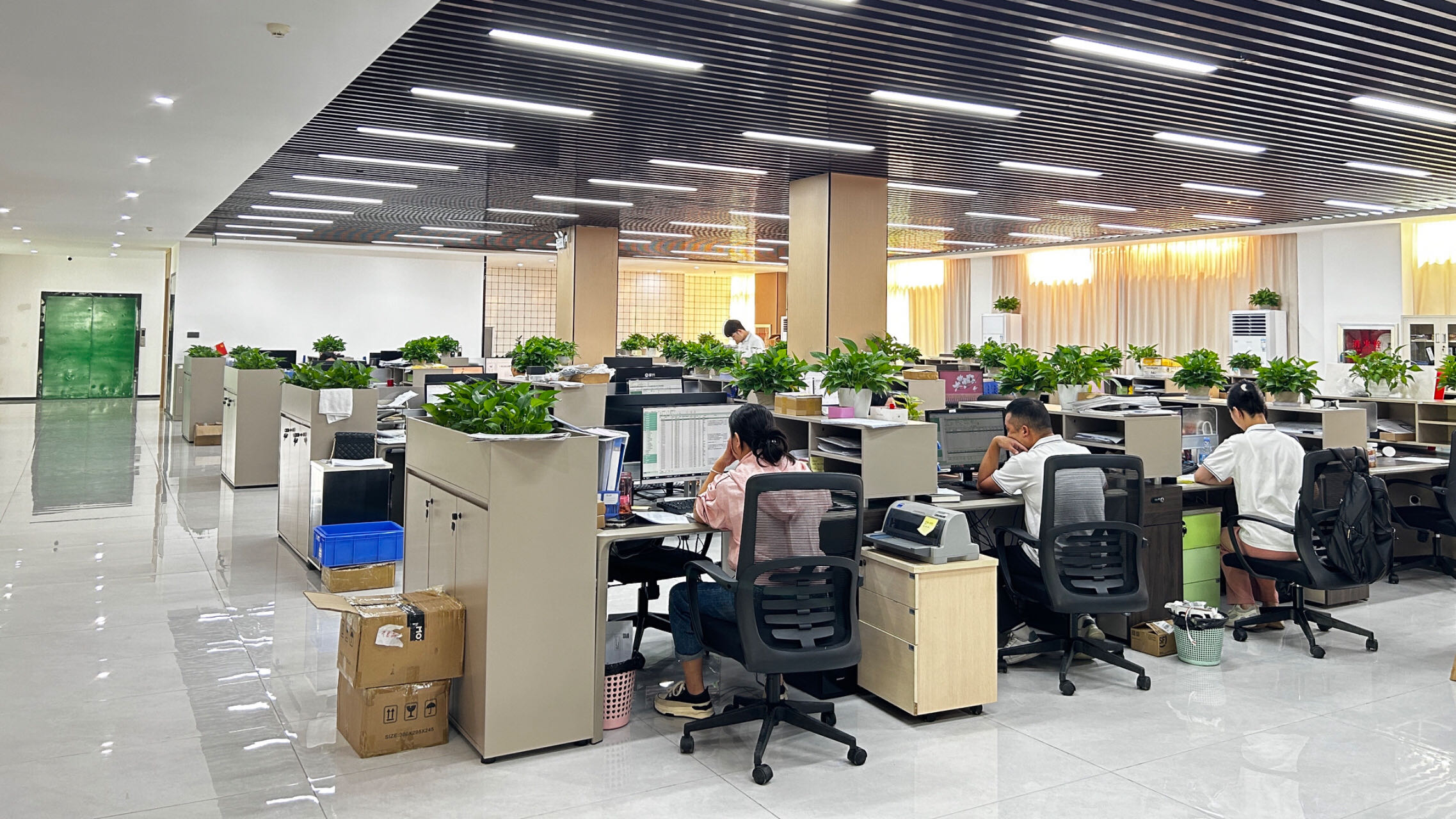
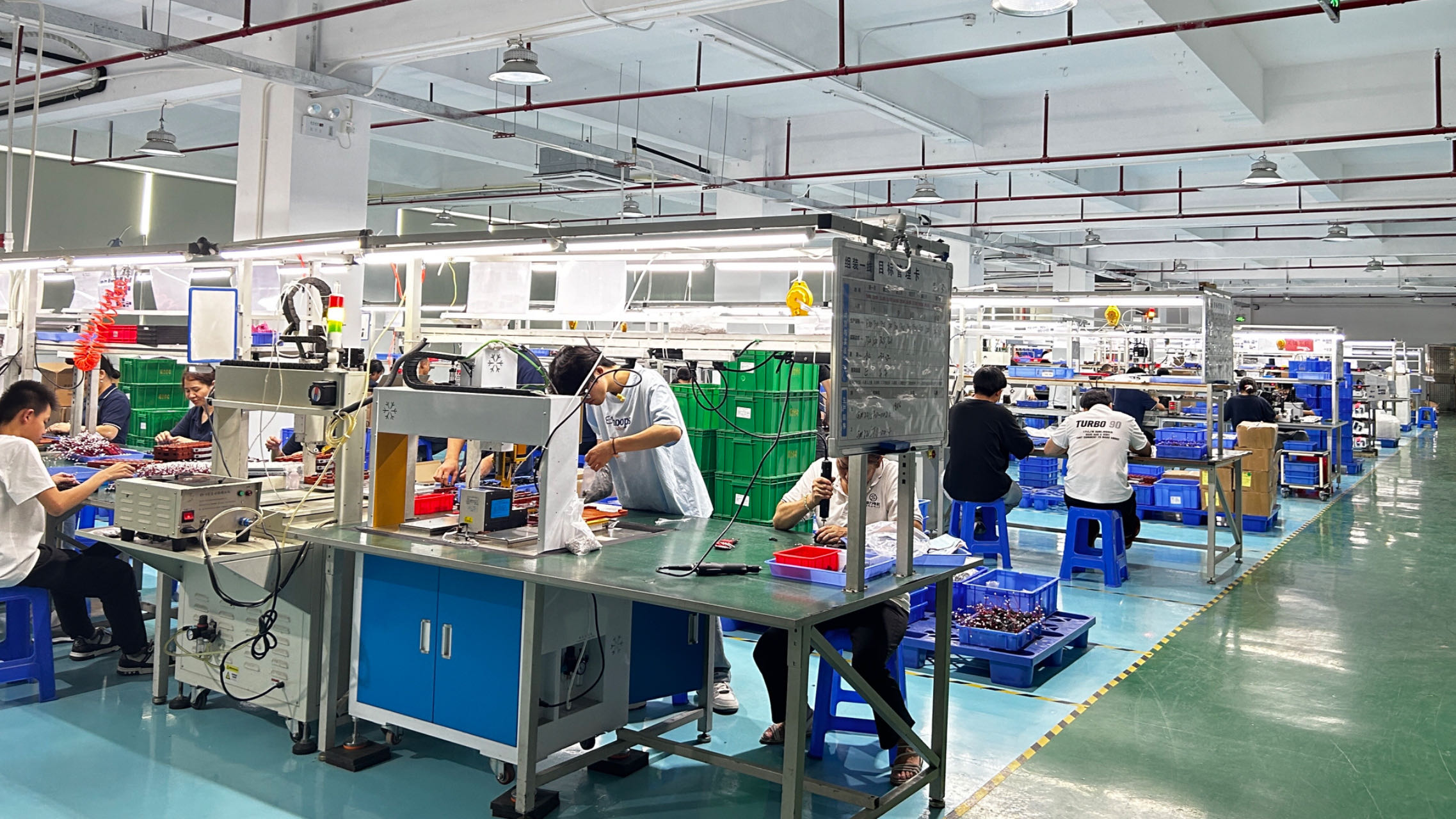
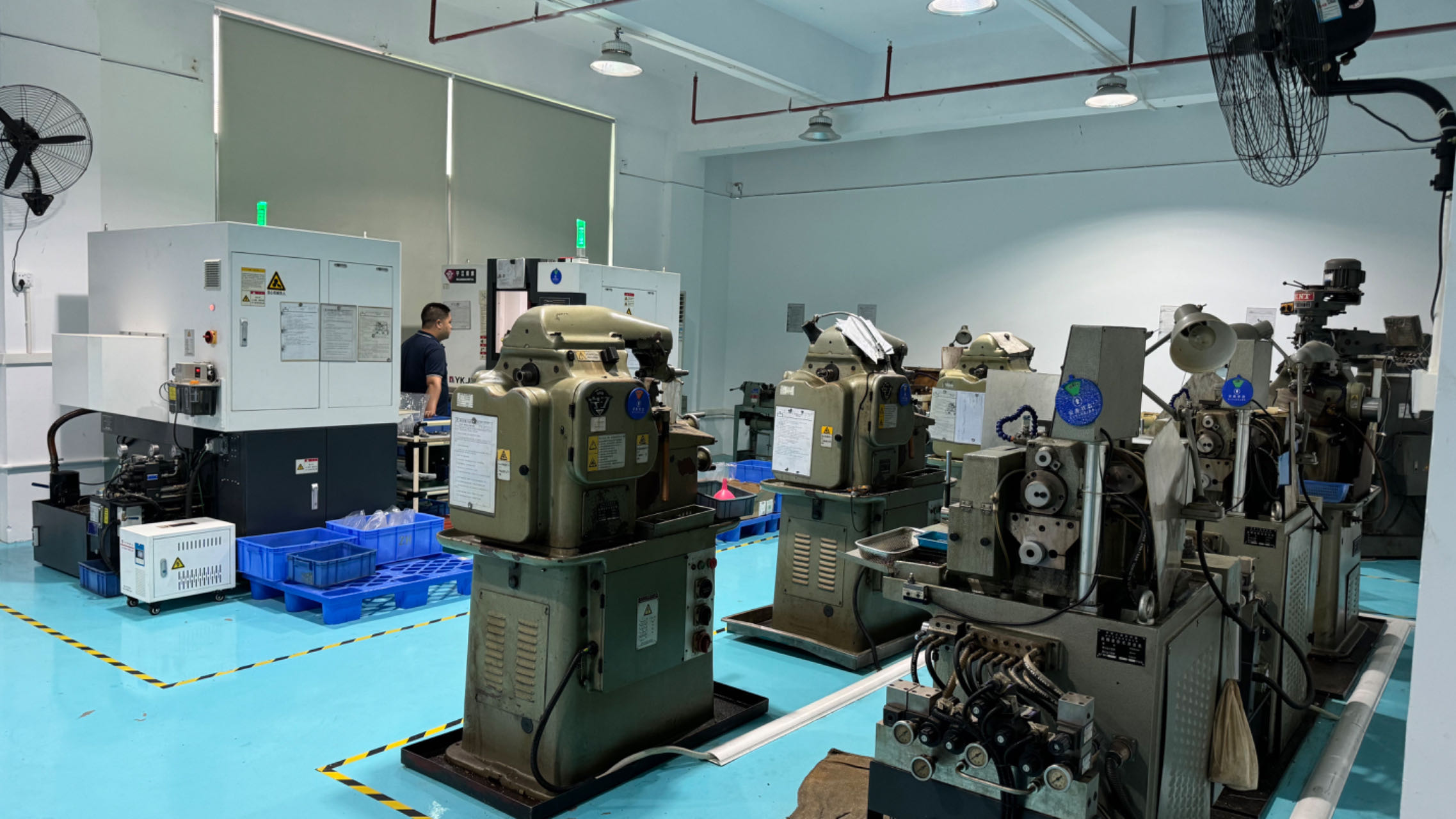
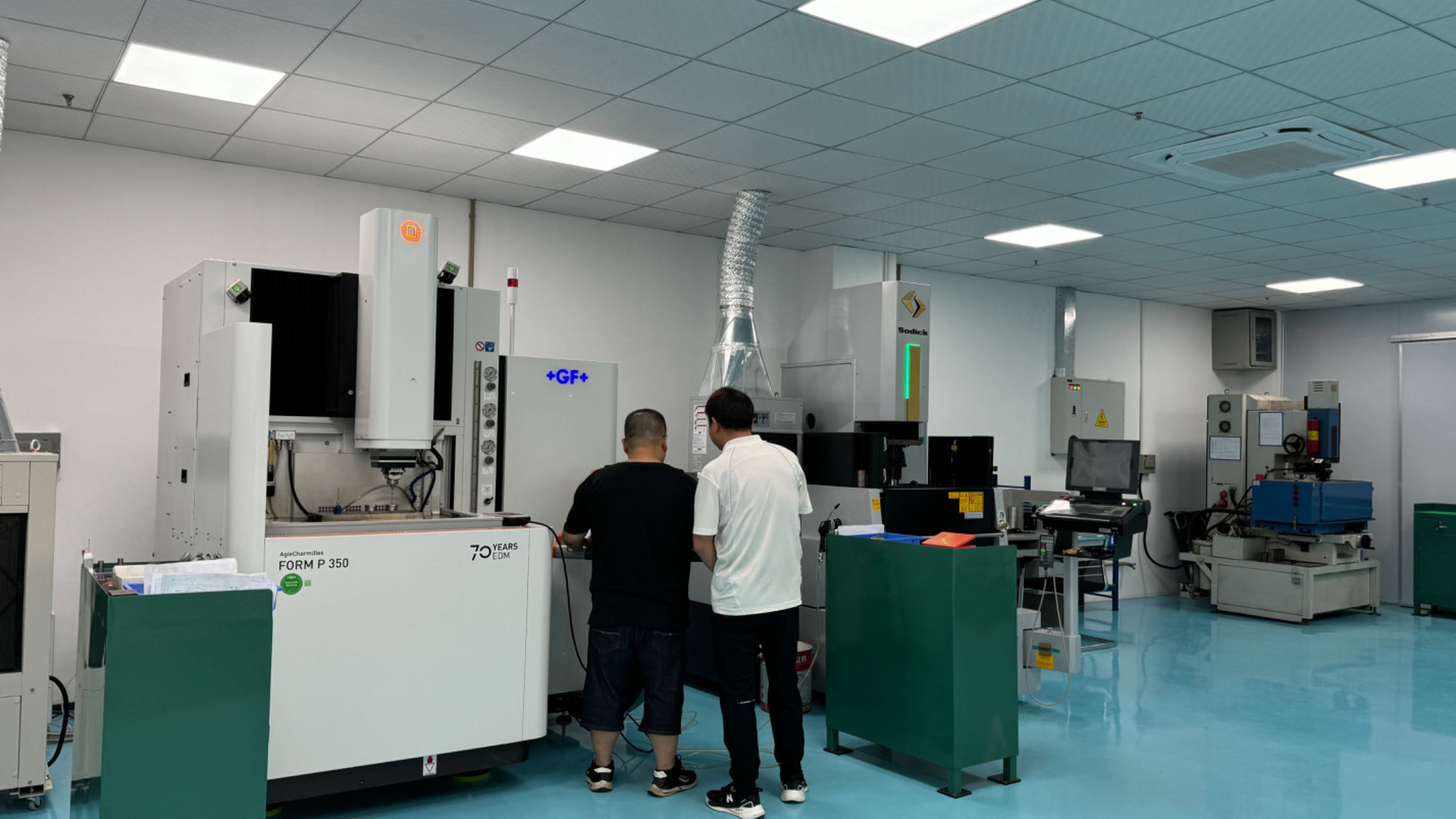
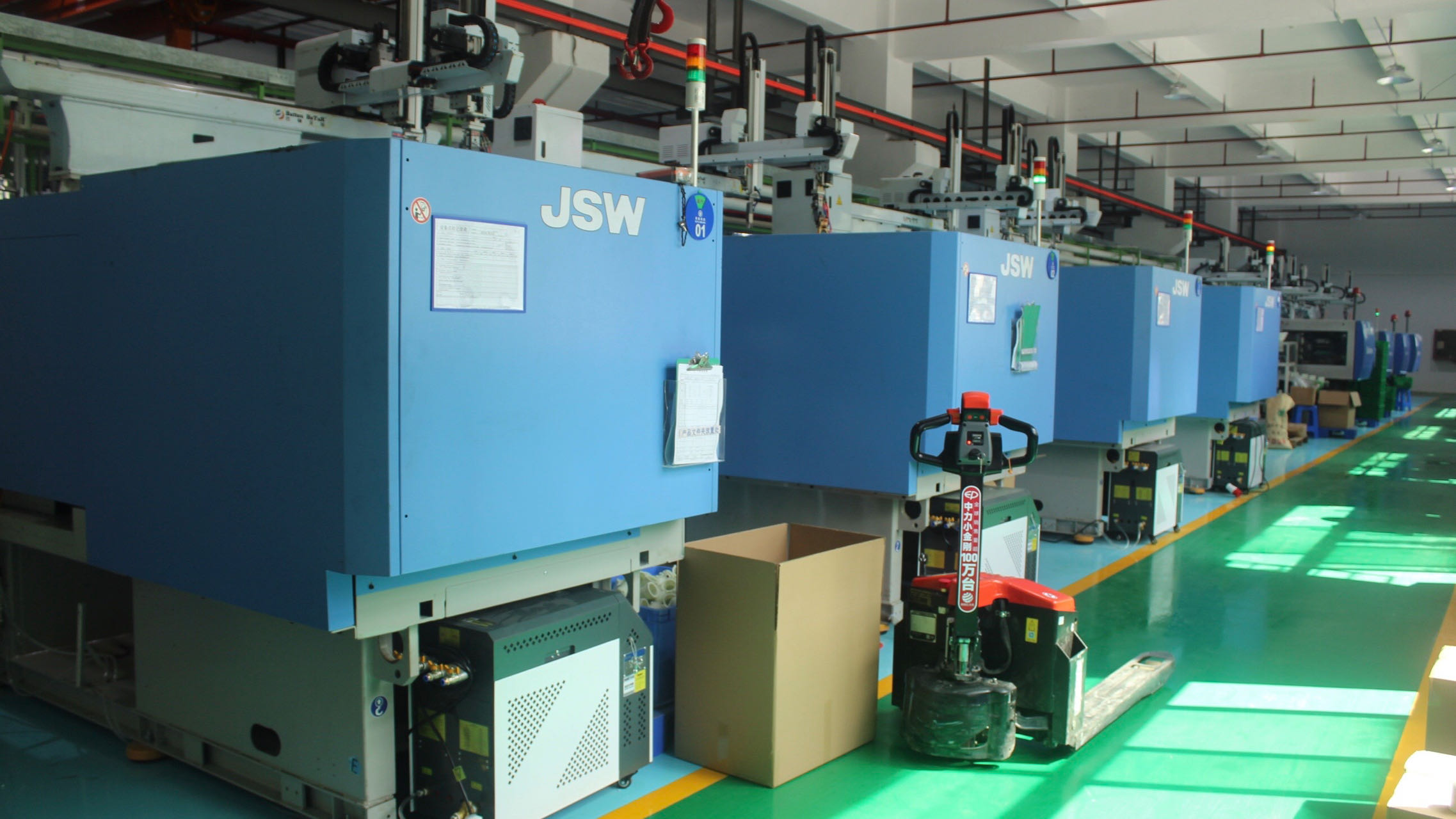
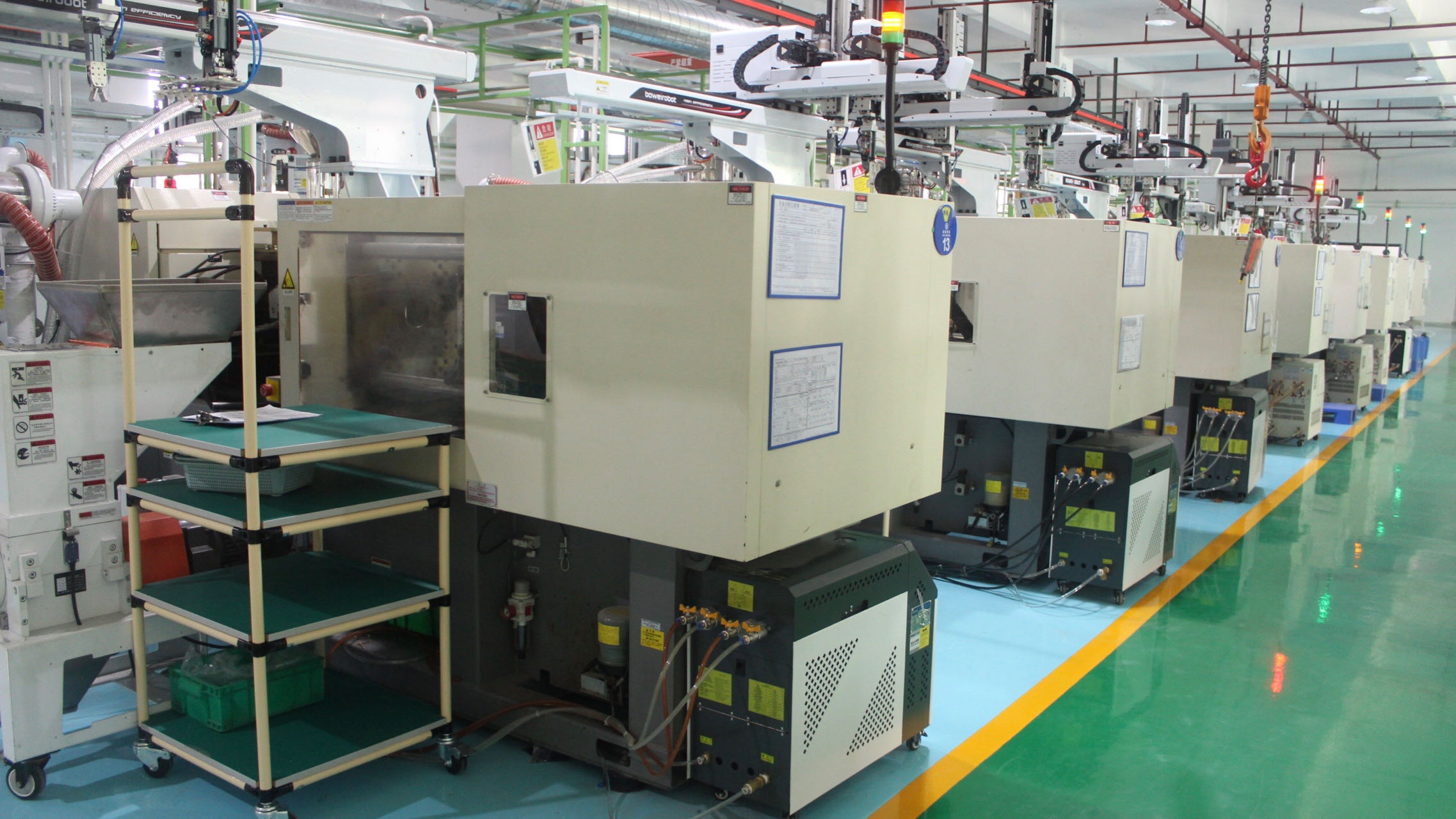
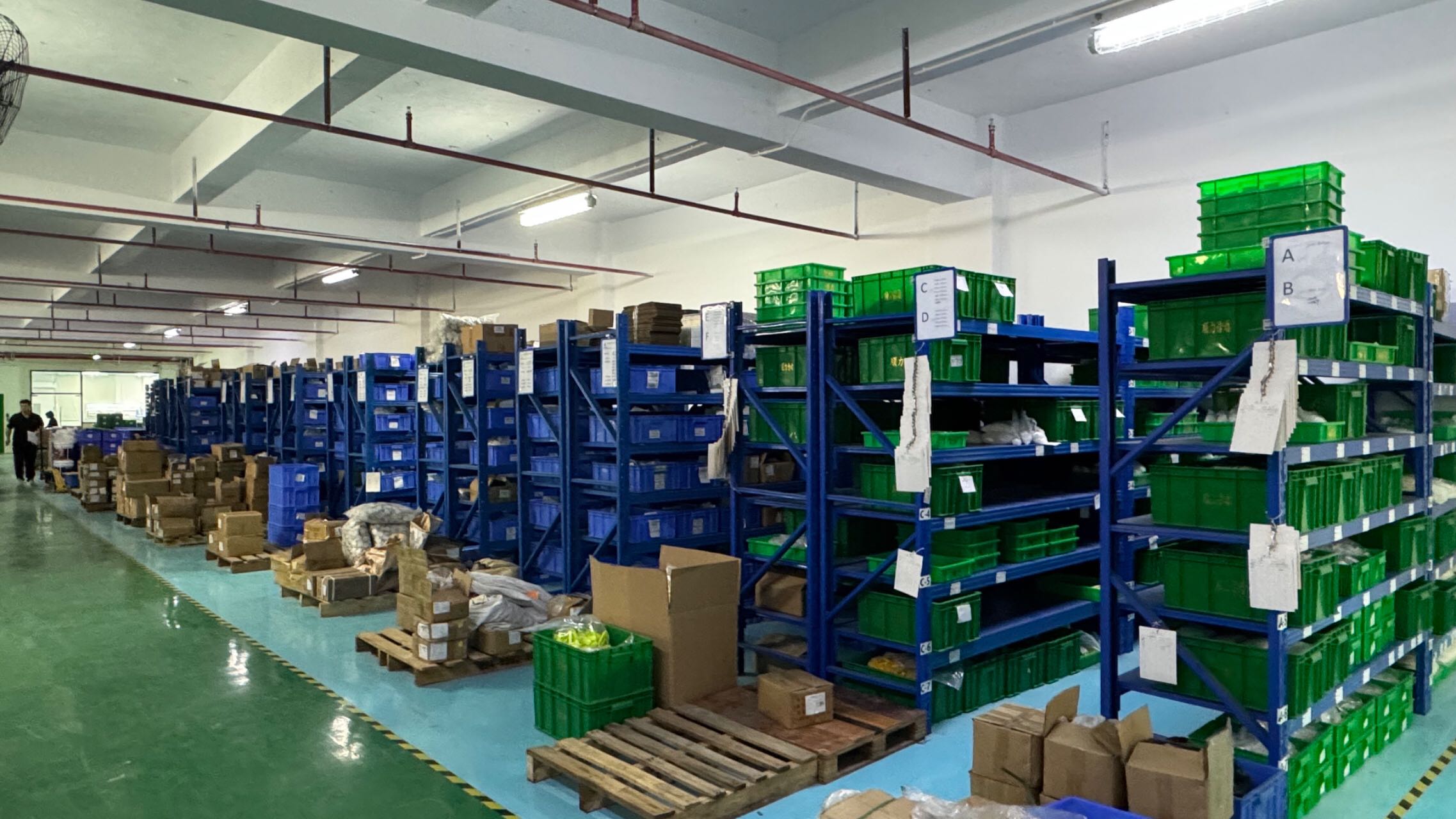
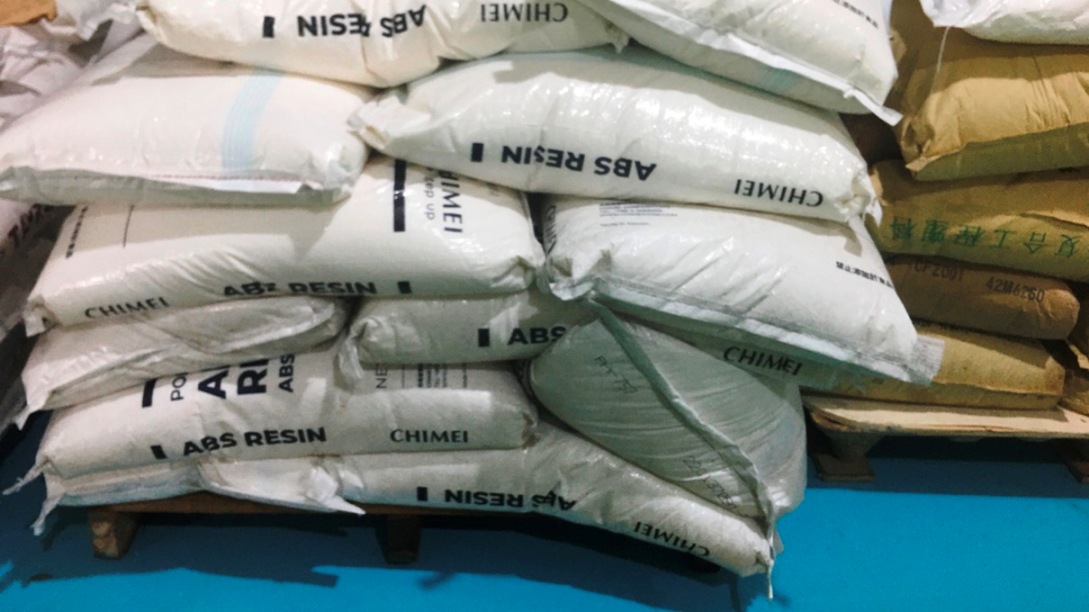
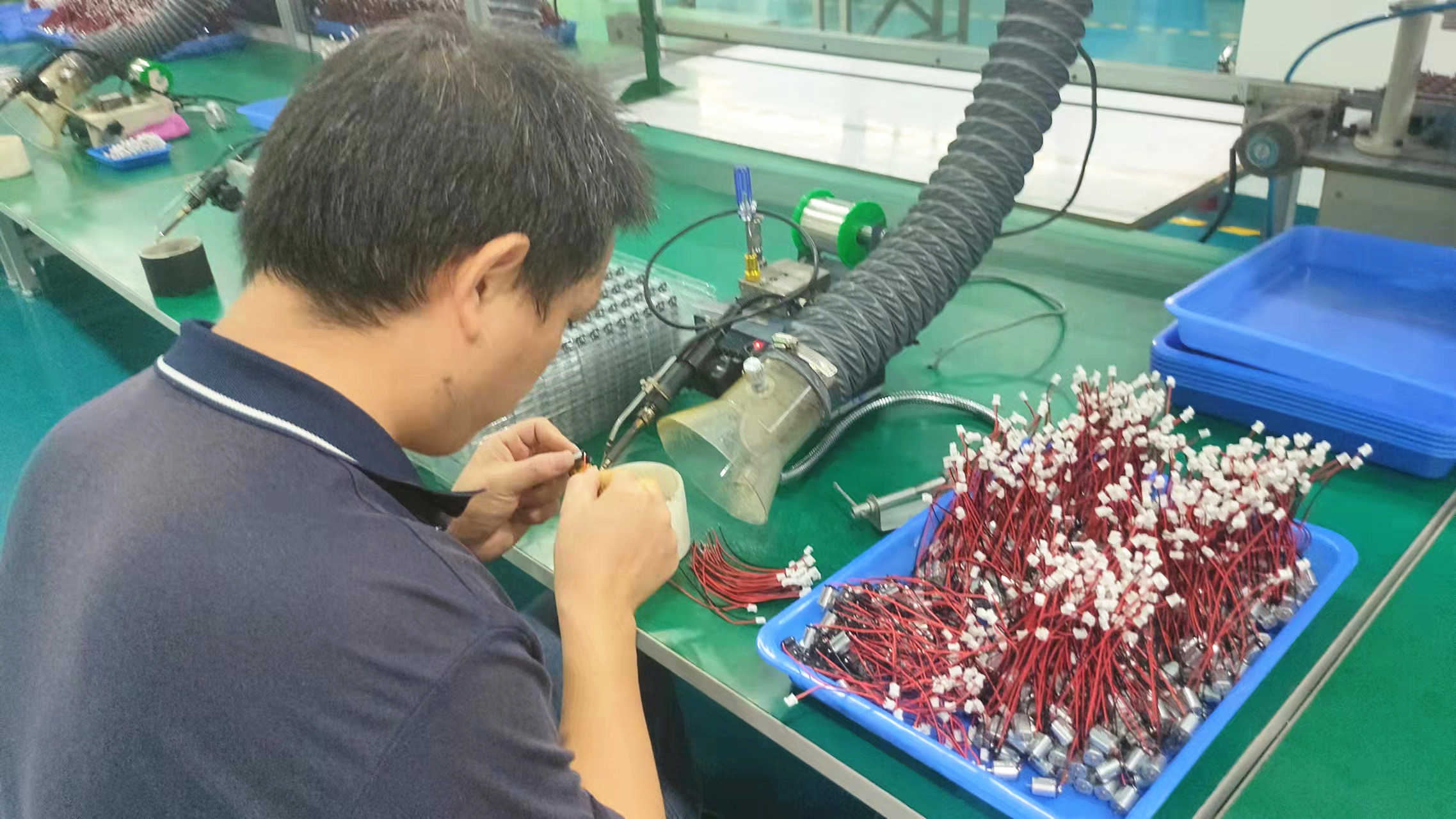
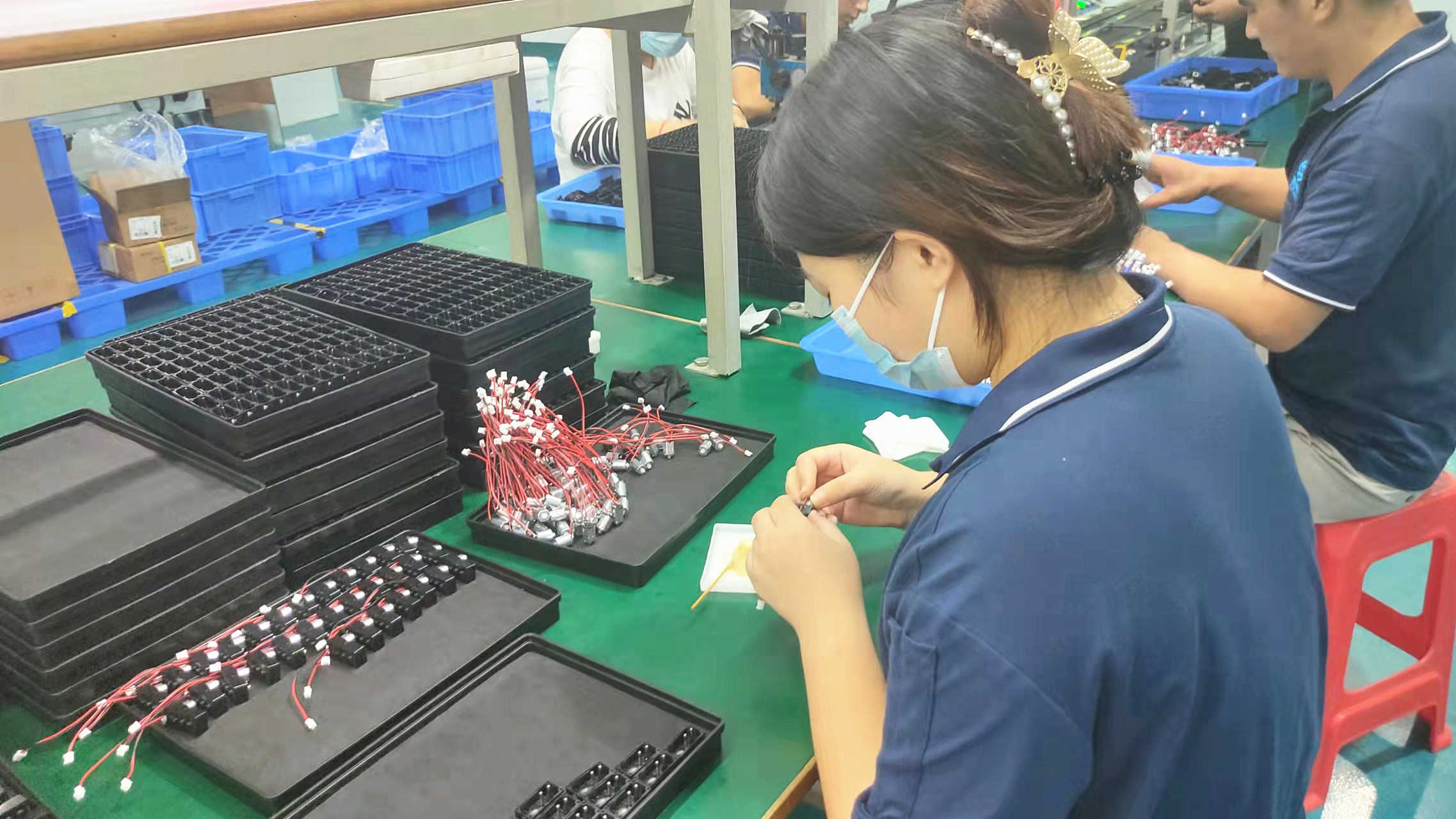
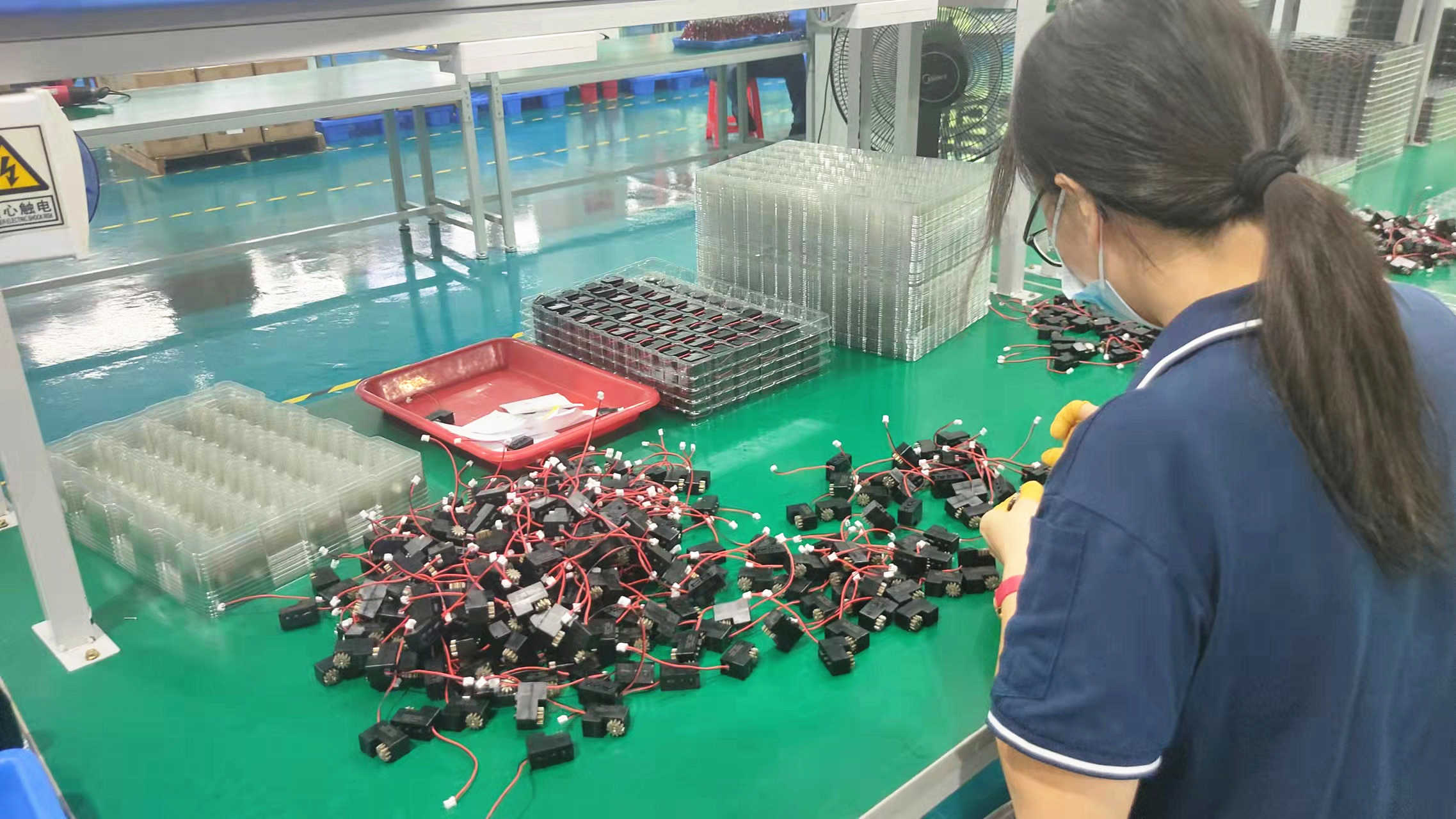
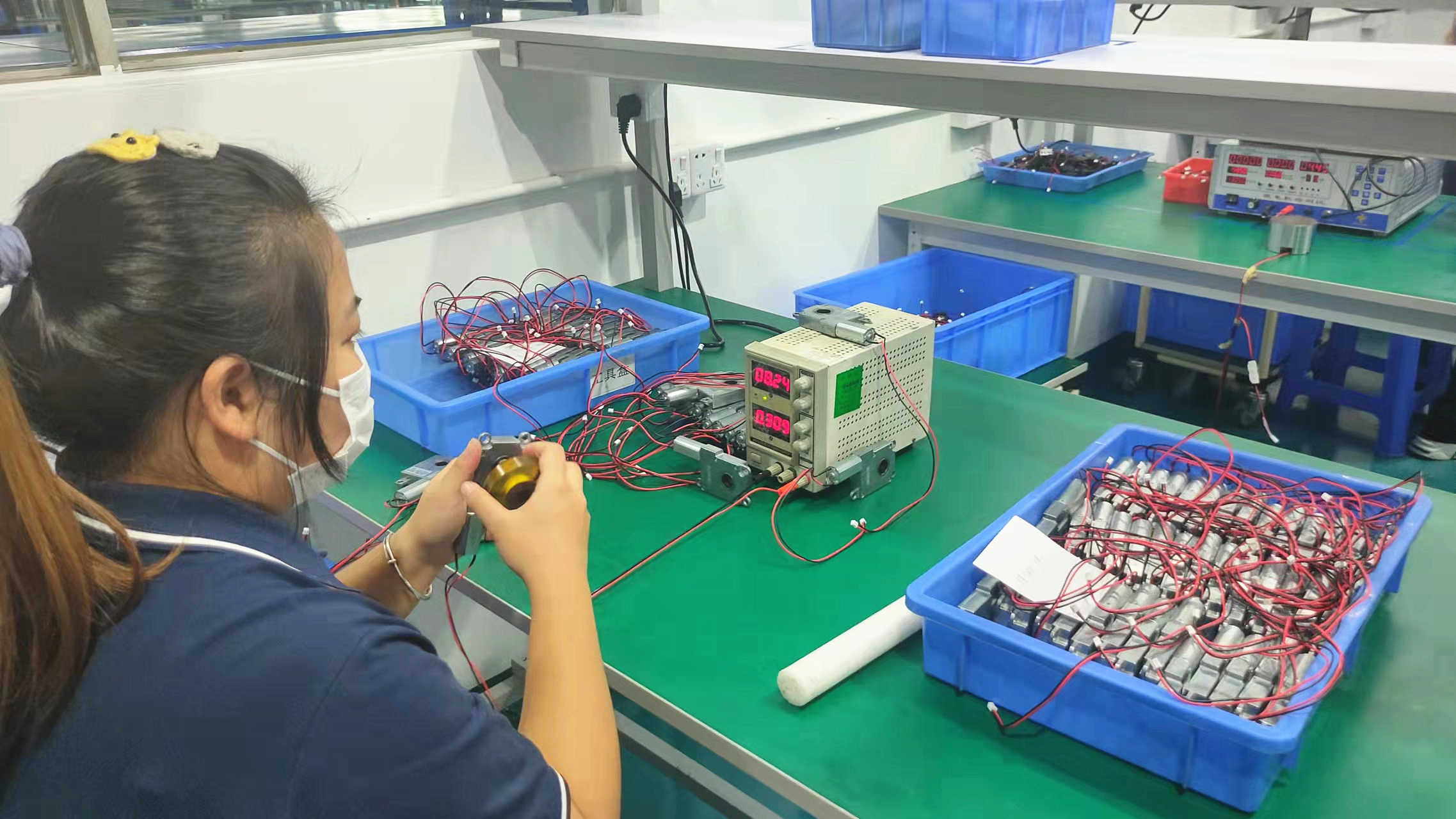
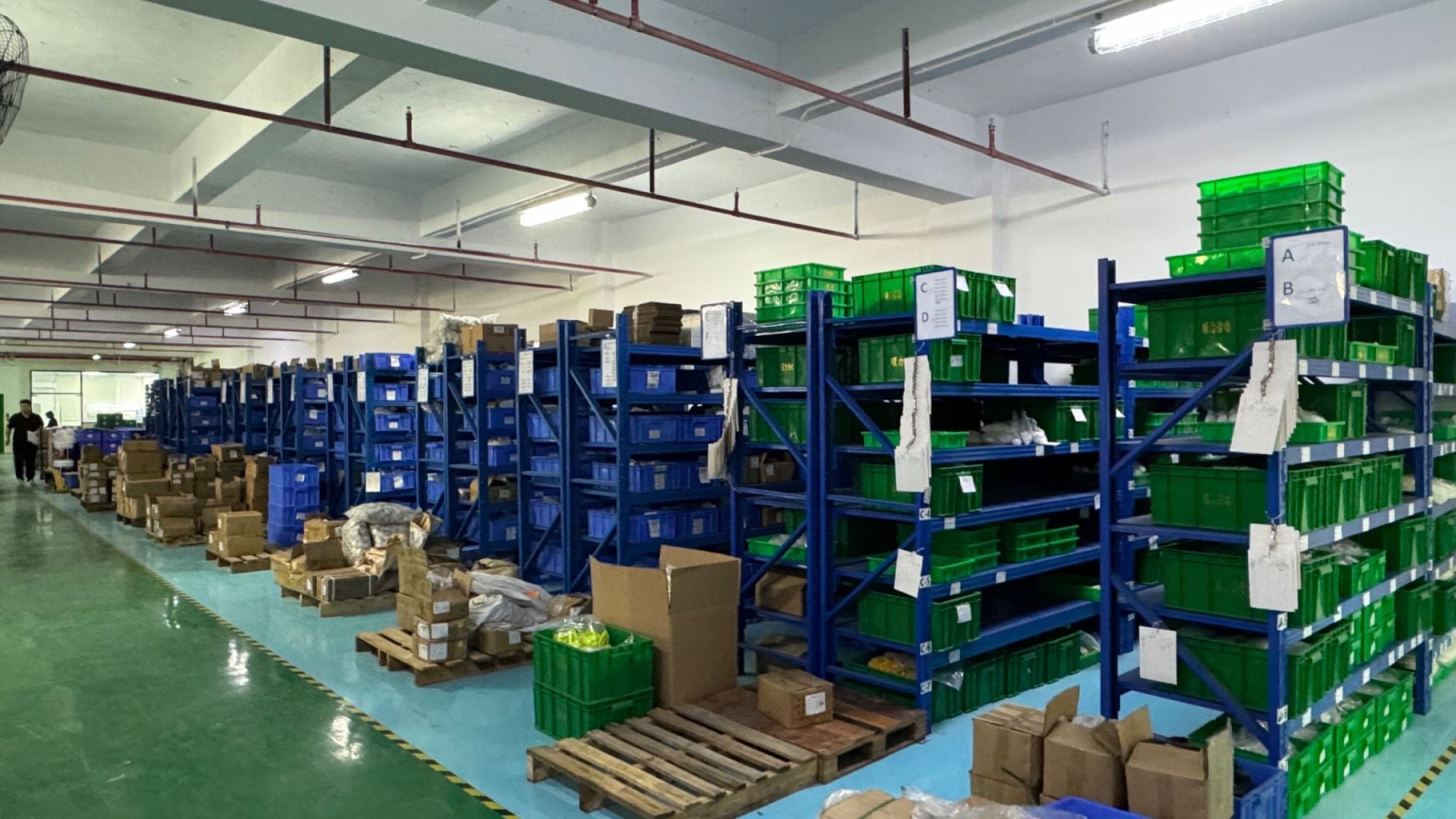
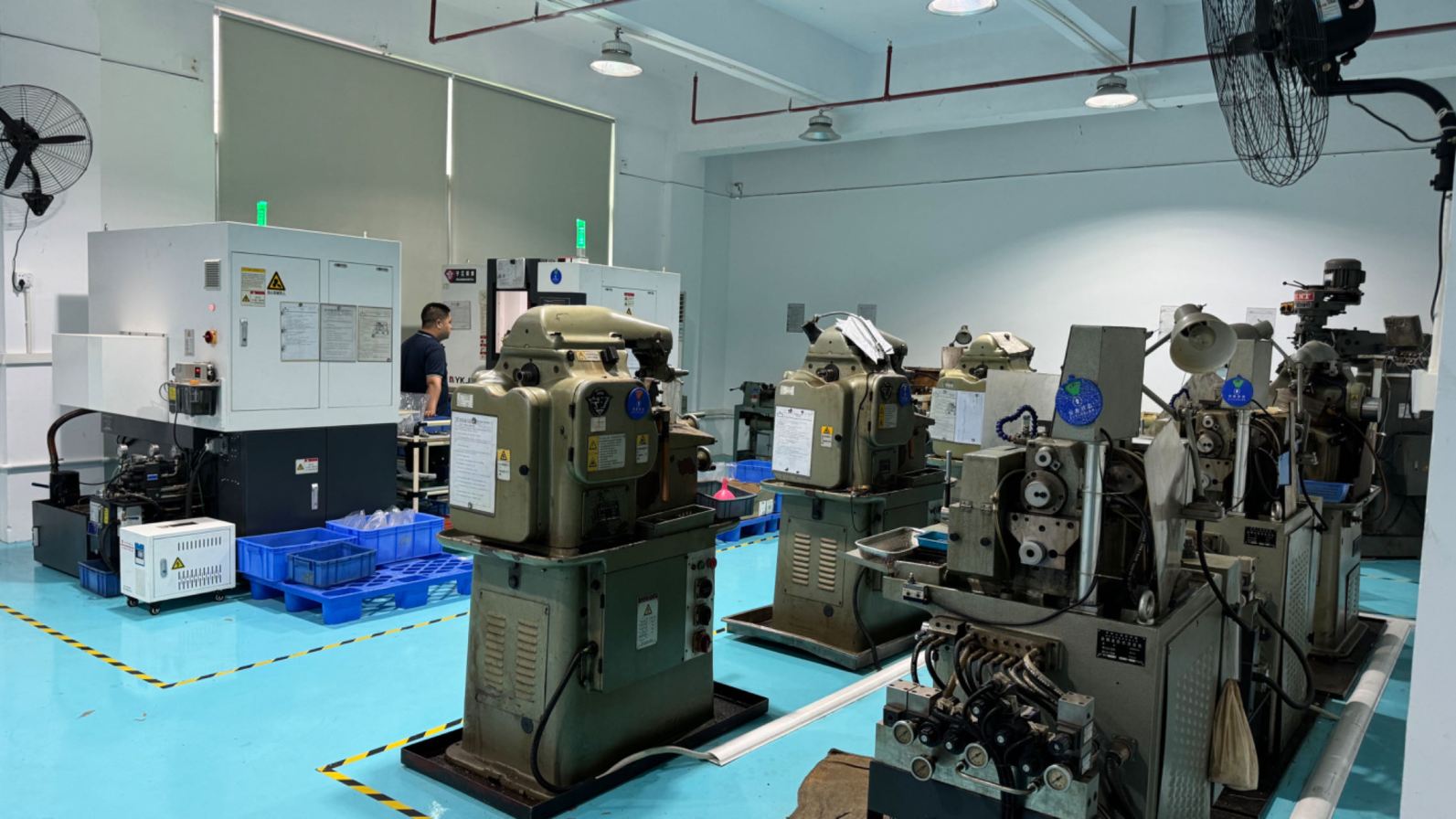
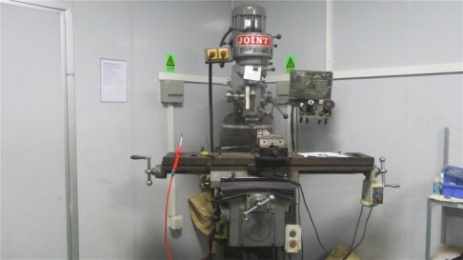
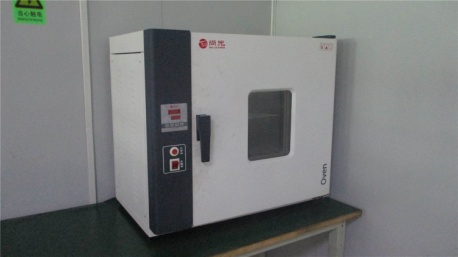
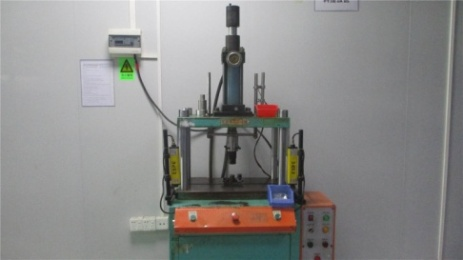
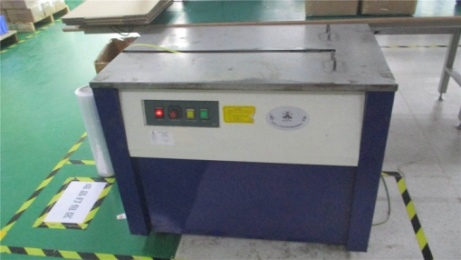
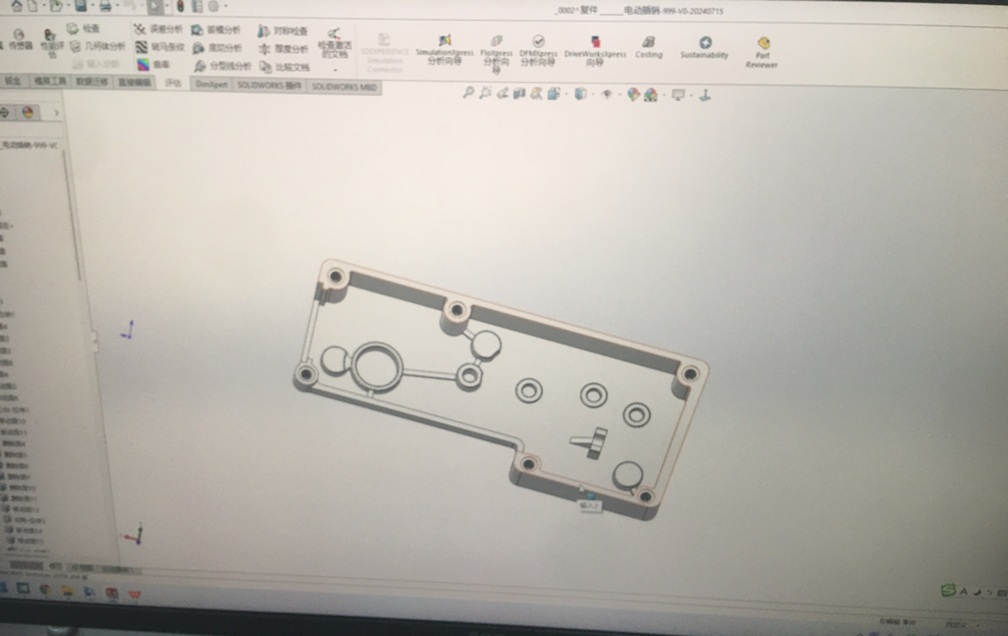
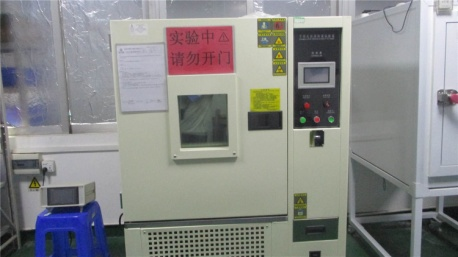
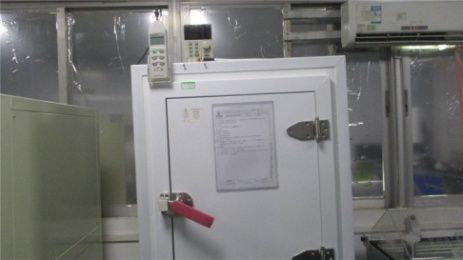
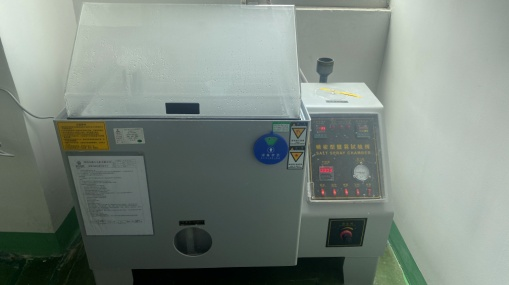
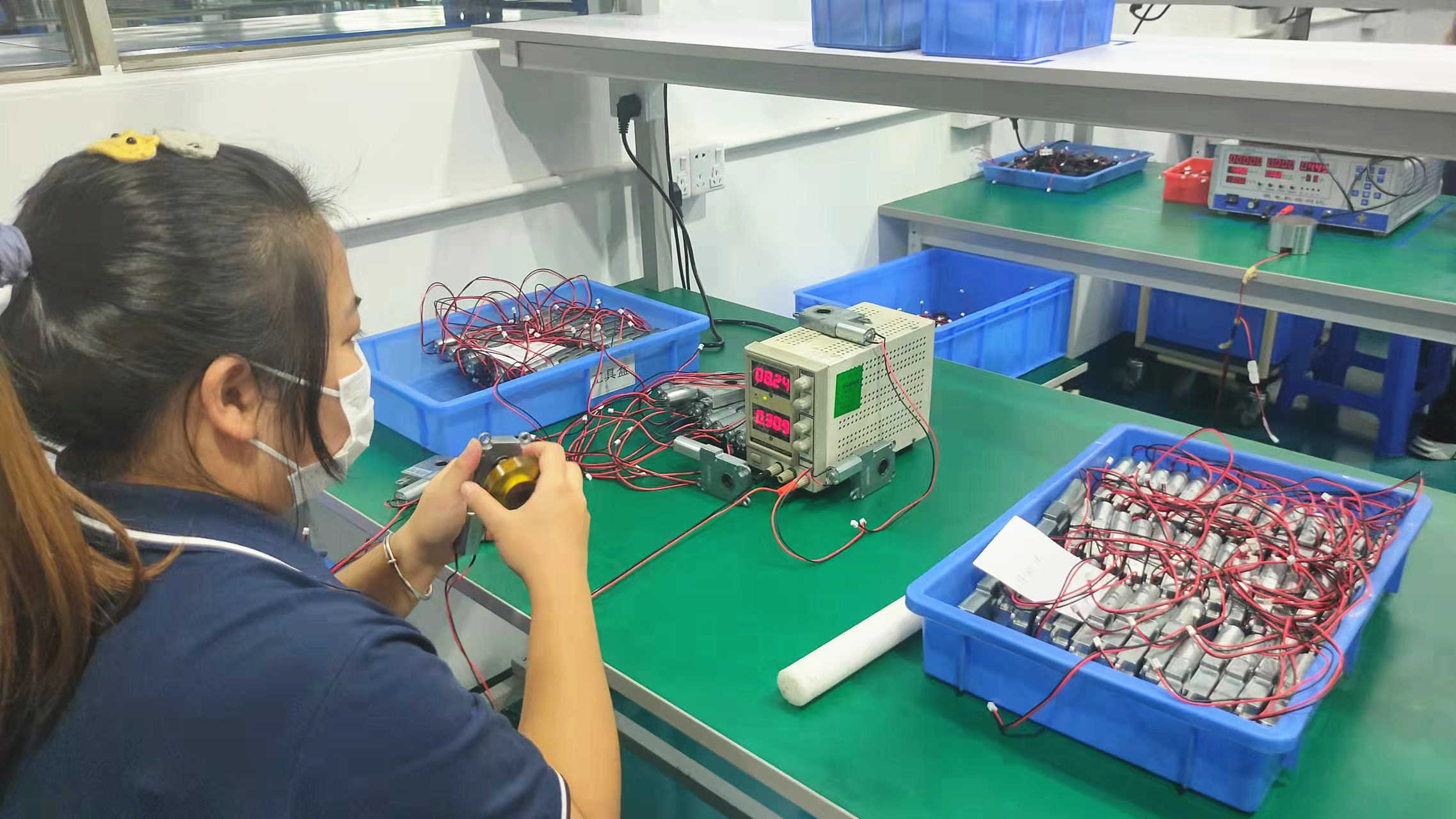
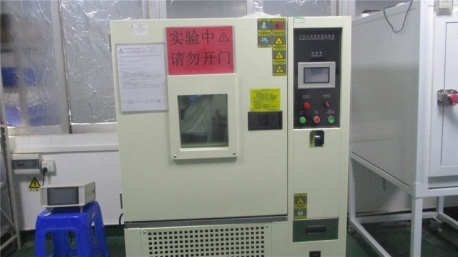
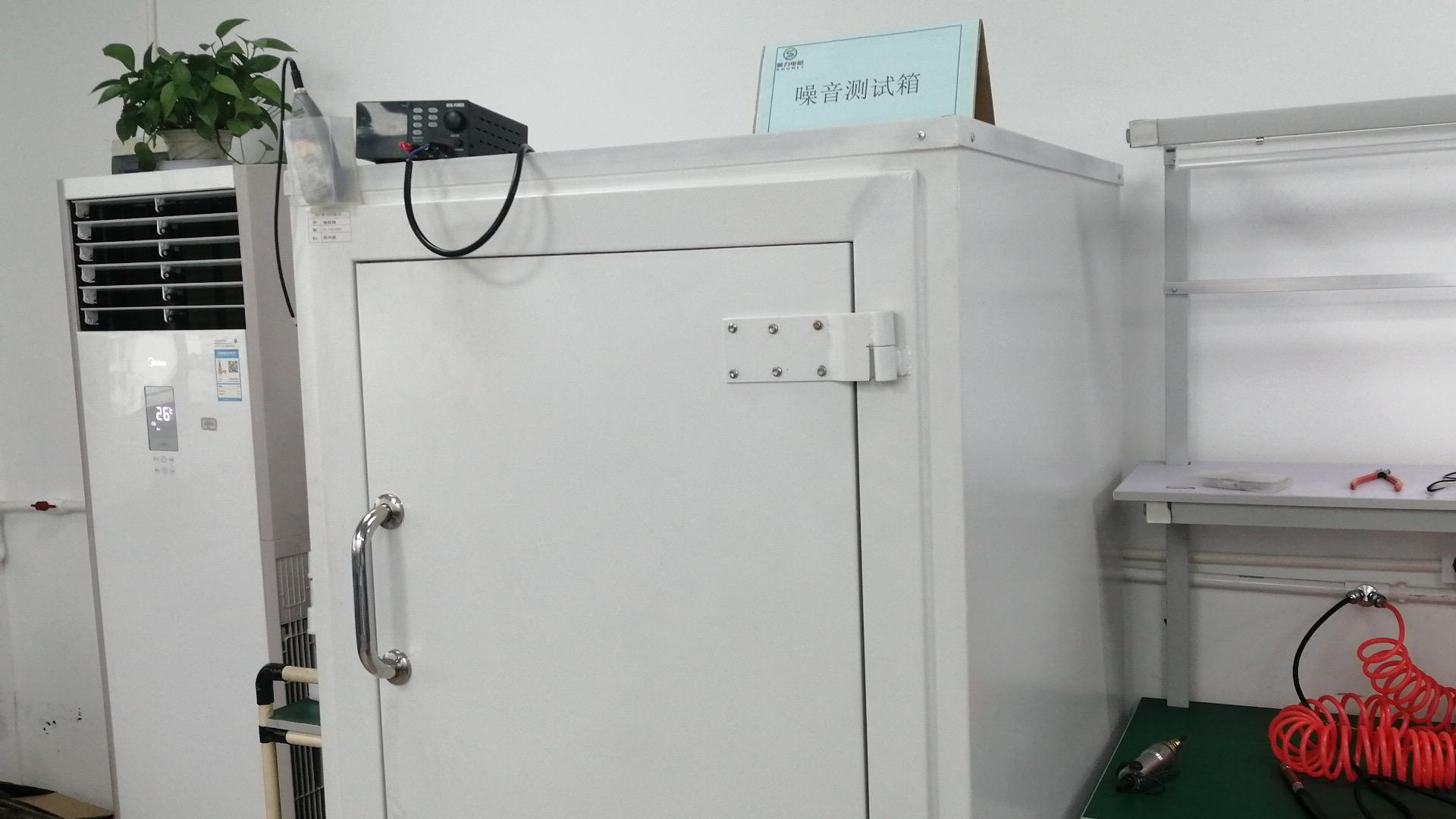
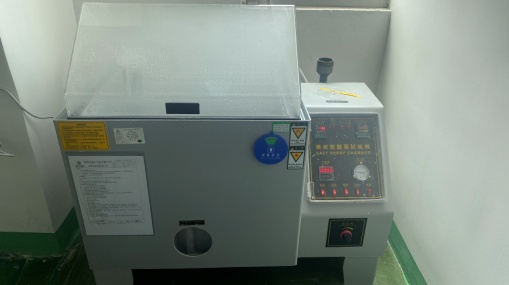
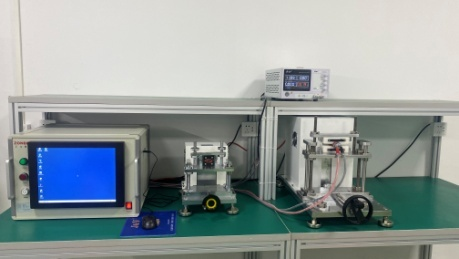
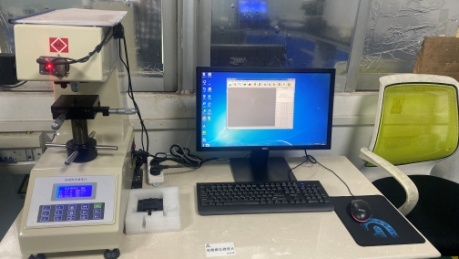
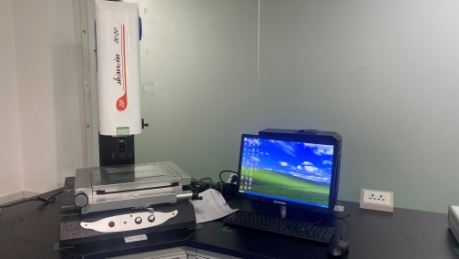
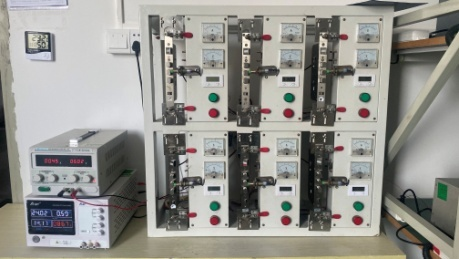
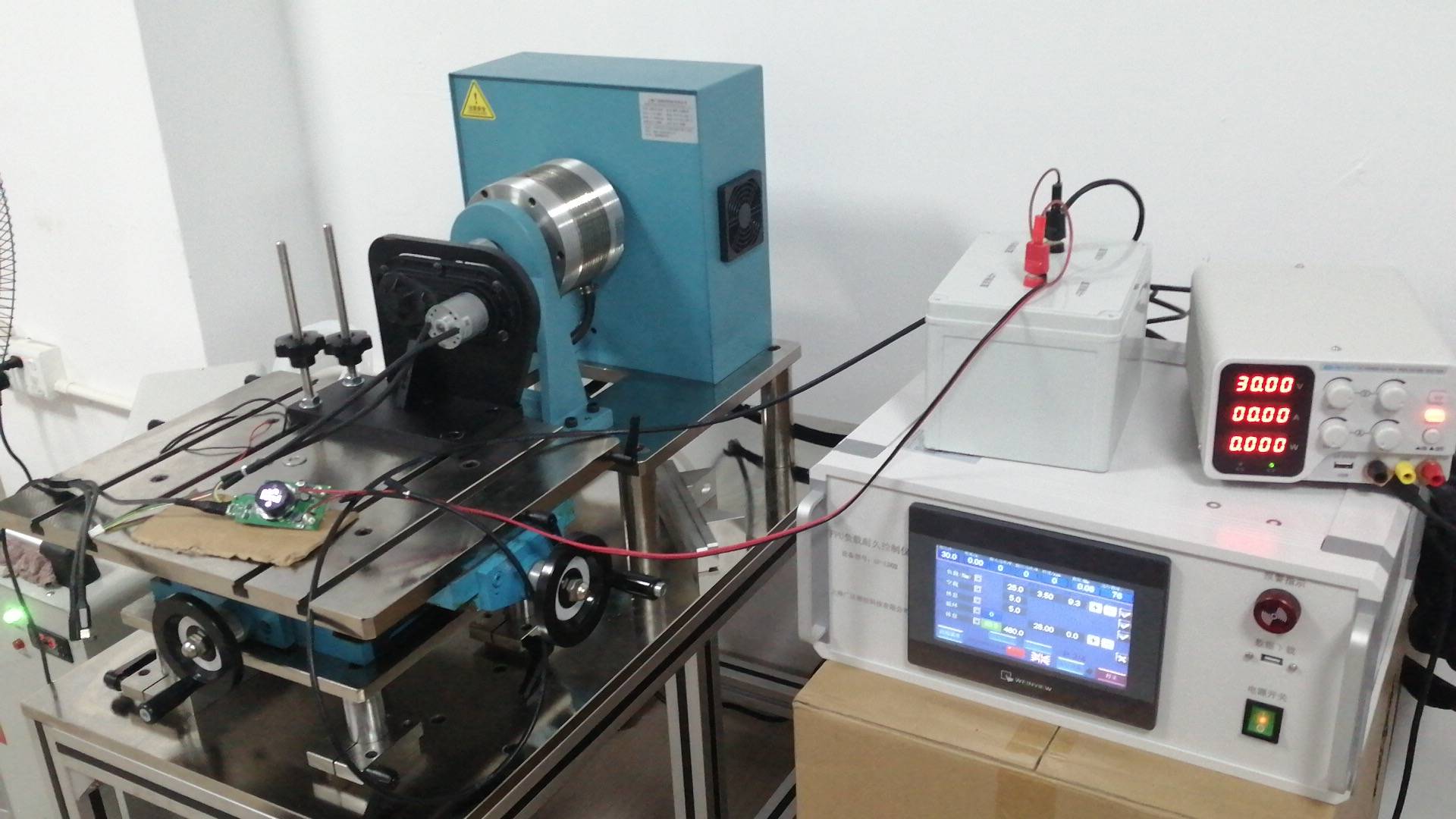
ApexMicro Factory Manufacturing & QC Verification
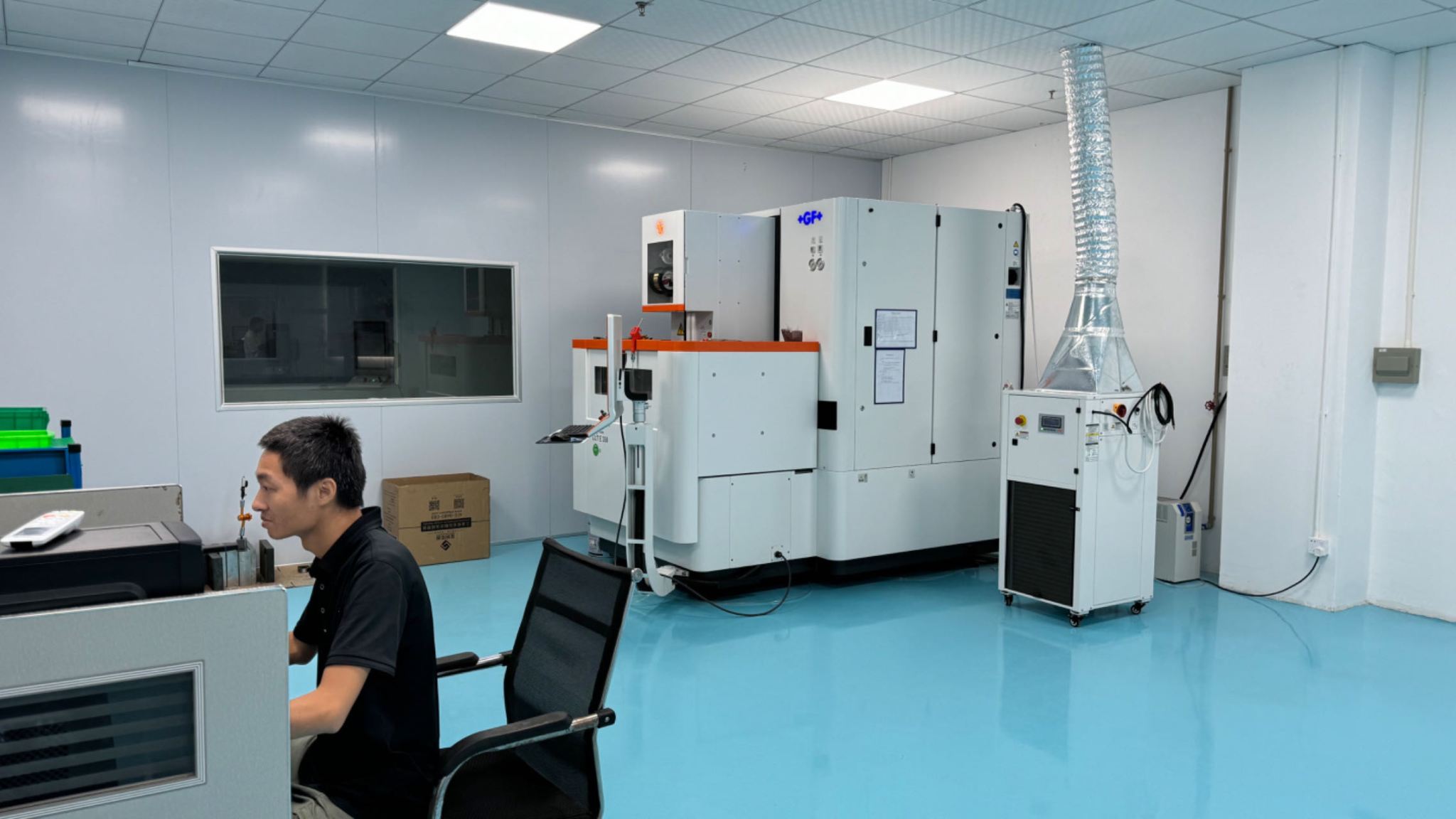
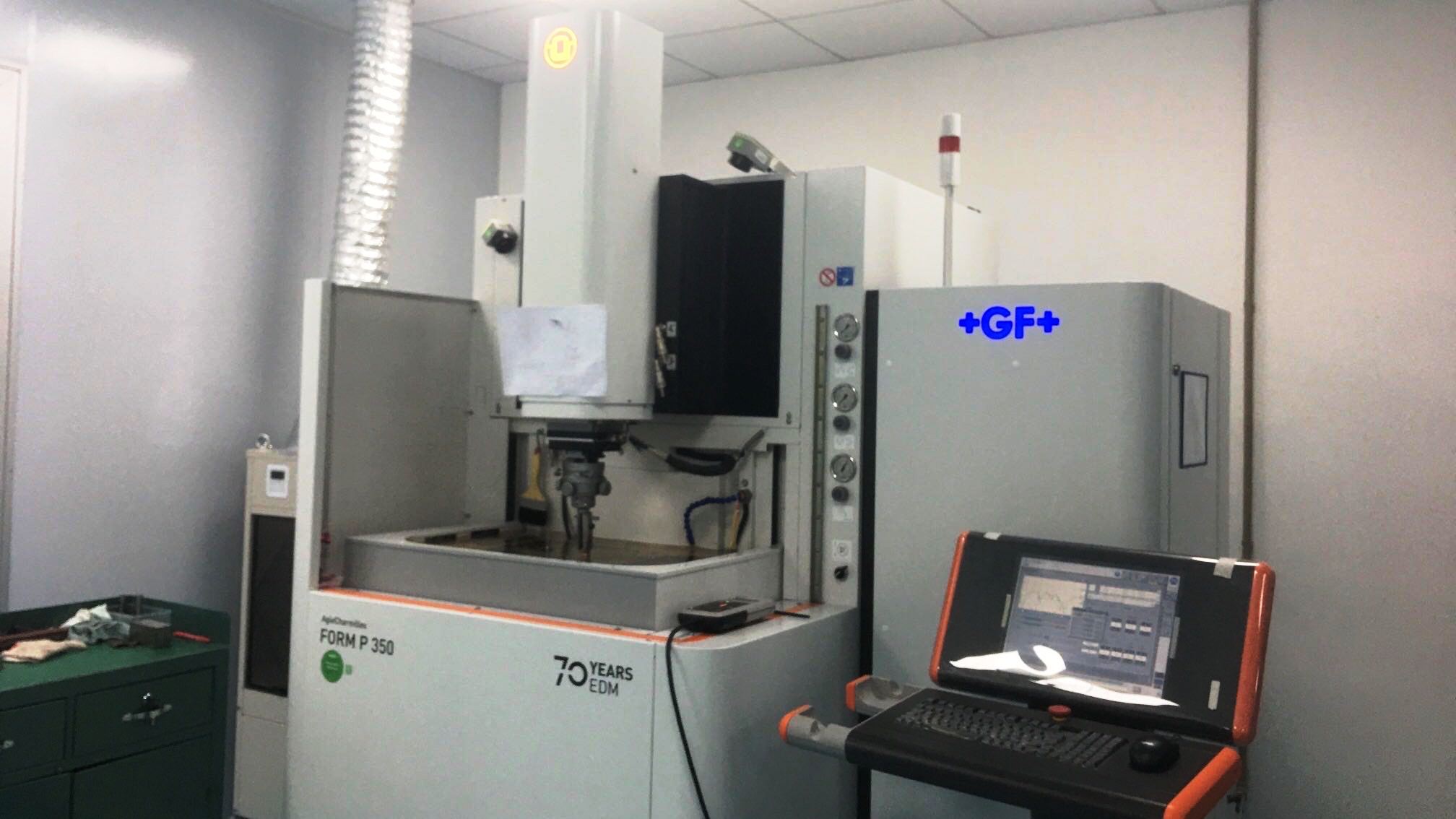
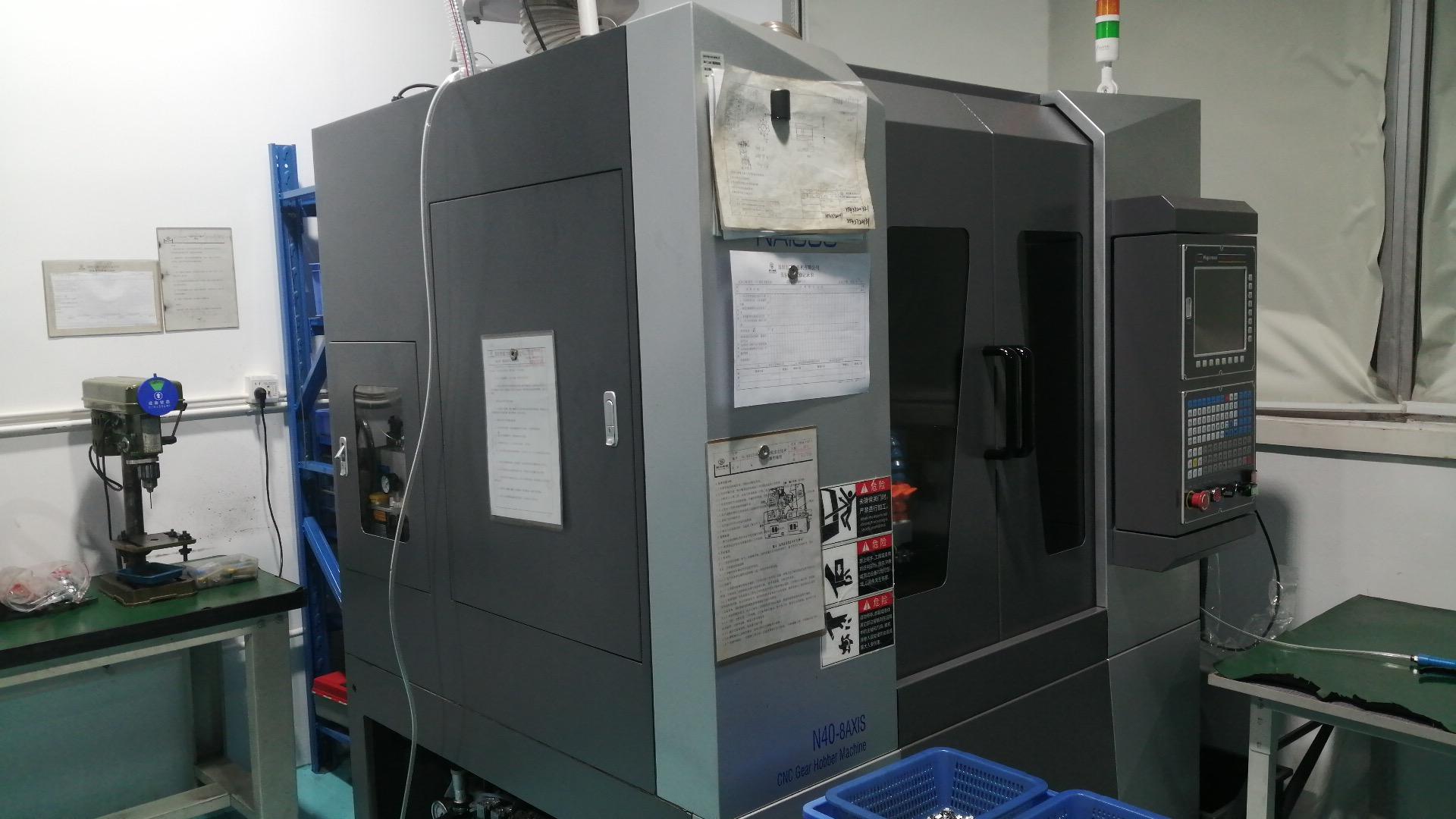
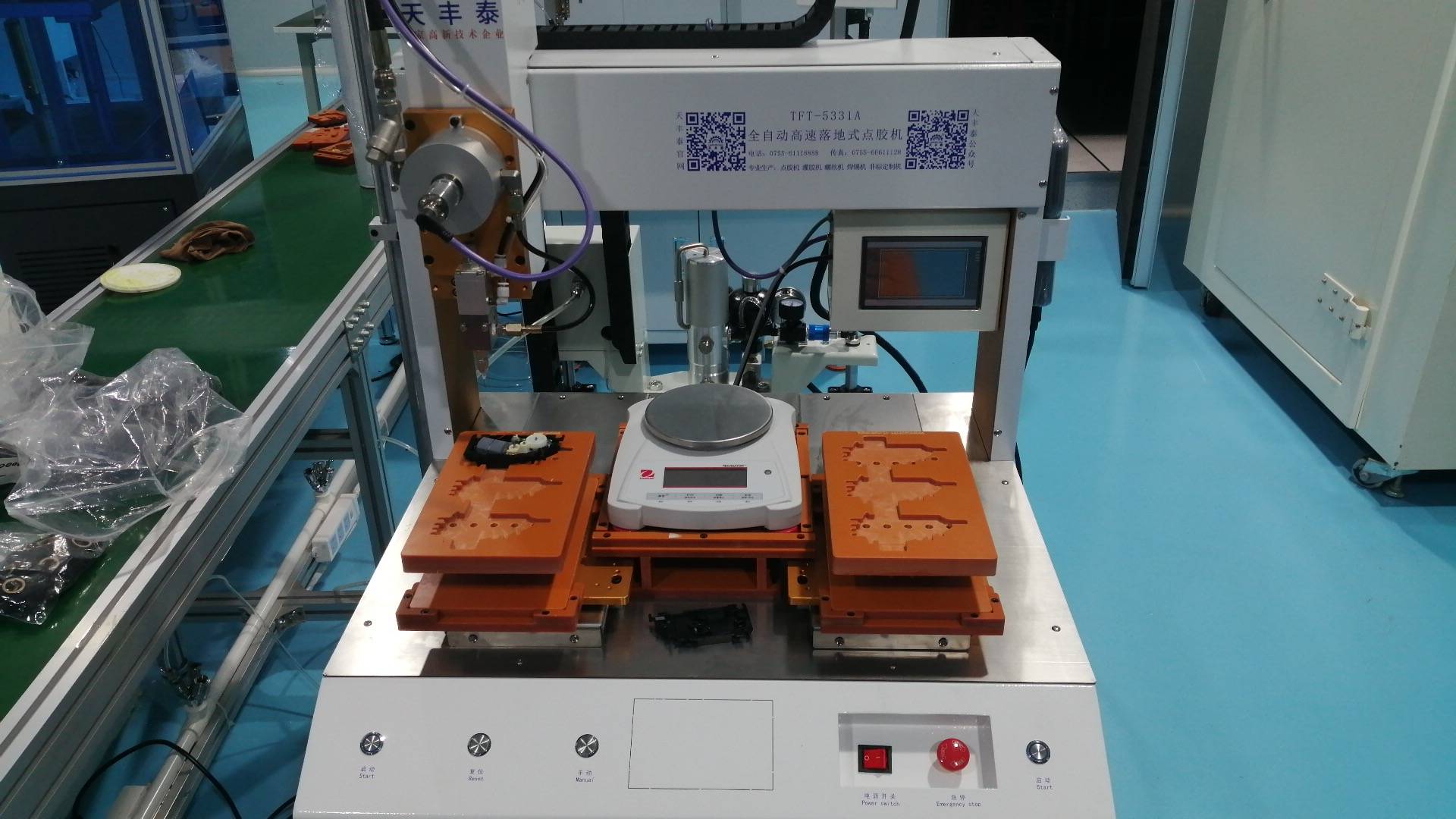
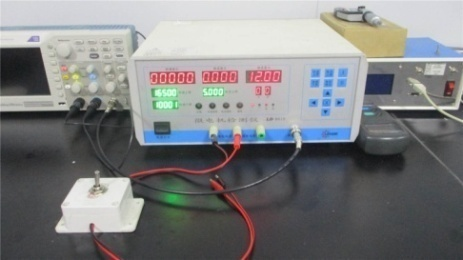
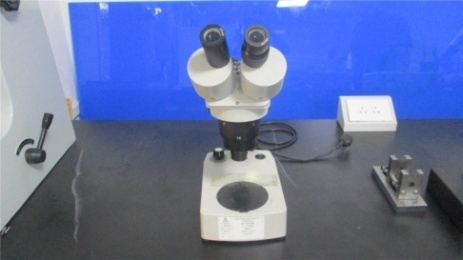
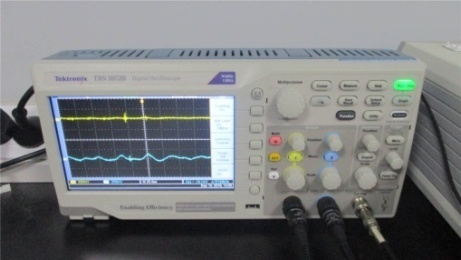
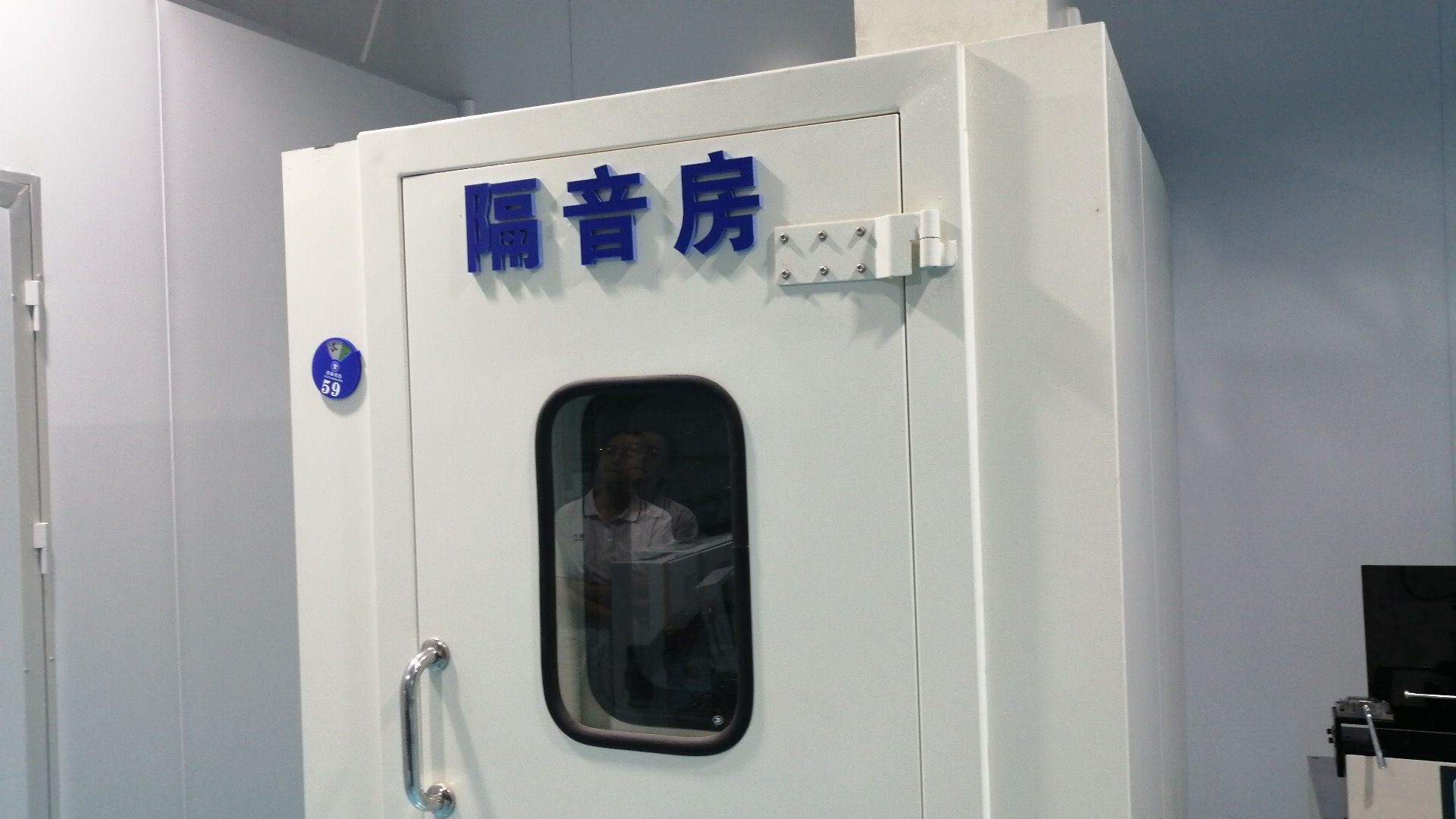
Take a look inside our ISO9001-certified production facility where raw raw materials are turned into zero-defect drive solutions.
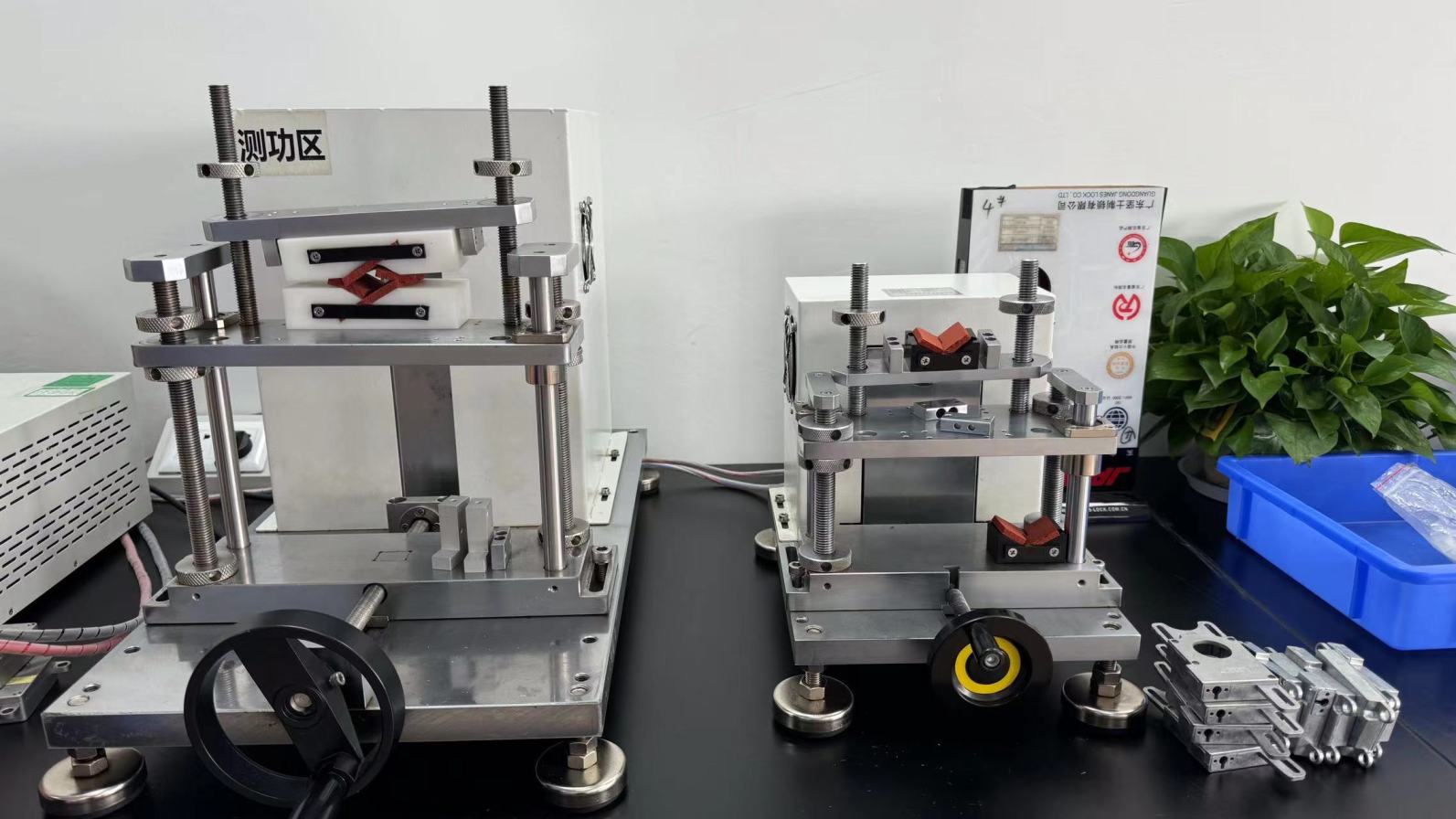
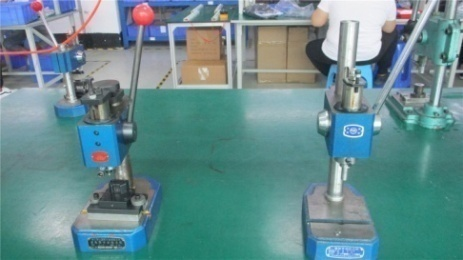
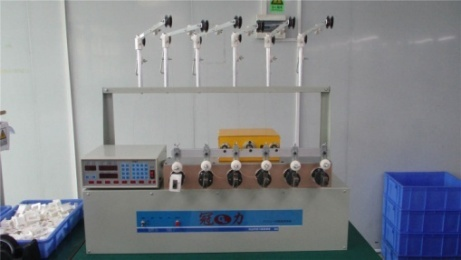
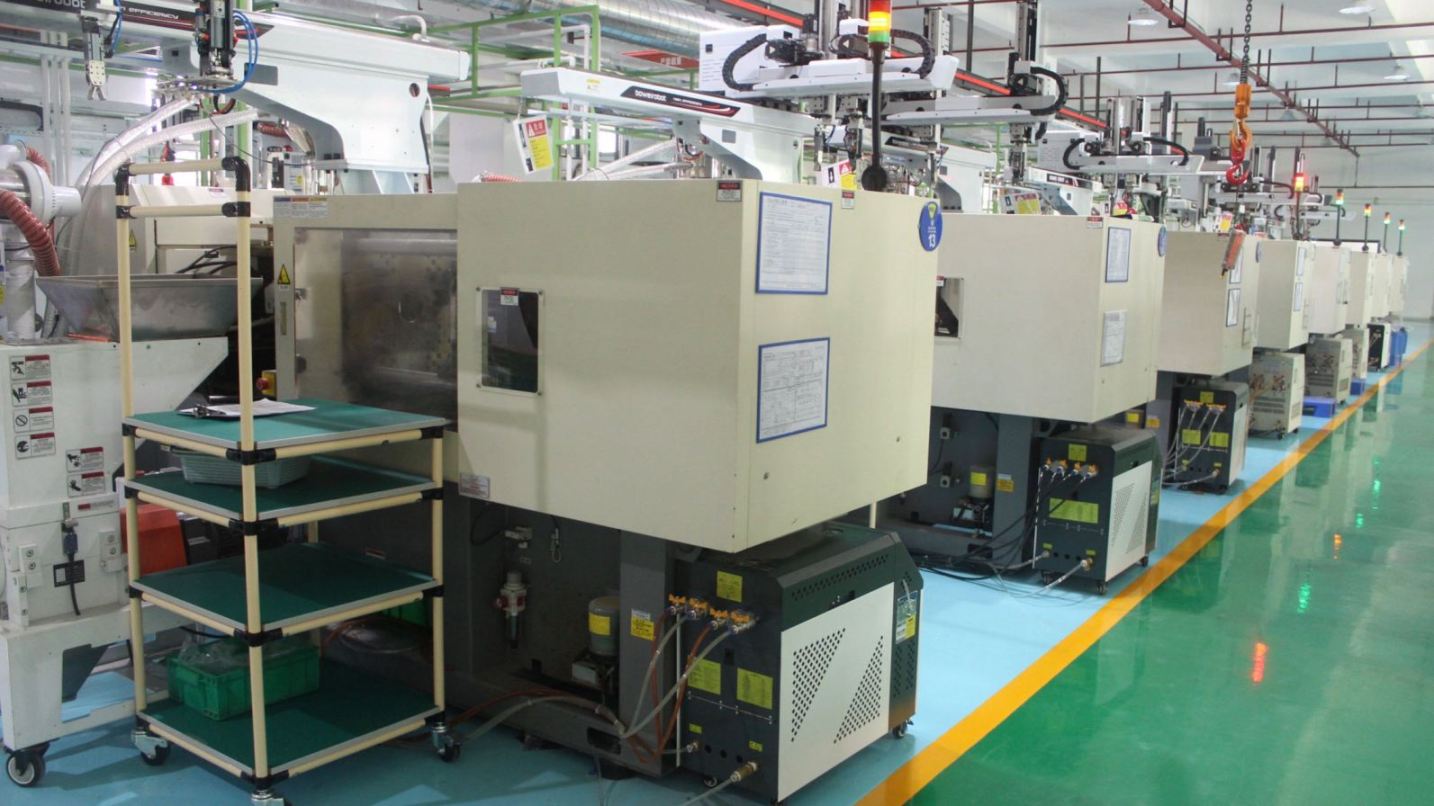
Engineered Customizations for Argentine Systems
We understand that off-the-shelf planetary gear motors rarely satisfy the strict requirements of custom assemblies. Our engineers provide specific design modifications to tailor planetary setups to your mechanical requirements:
- Gear Material Selection: Powder metallurgy for cost-efficient, high-volume production; carbon steel or chromium-alloy steel for extreme torque transmission.
- Output Shaft Profiles: Custom D-cuts, round shafts, cross-pin holes, splines, or threaded configurations designed to mate securely with your driving hubs.
- Optimized Ratios: Standard and non-standard gear reduction ratios ranging from 3:1 up to 2000:1 to align output speed with torque demands.
- Integrated Feedback: Incremental magnetic or optical encoders that provide precise shaft feedback for position-controlled loop mechanisms.
Each production run undergoes dynamic testing, load-limit testing, and noise checks inside our soundproof rooms, ensuring that every motor delivered to Argentina matches your performance specifications.
Planetary Drive & DC Micro Motor Portfolio
Select from our verified range of micro motors, shaded-pole assemblies, worm-geared setups, and precision planetary mechanisms.
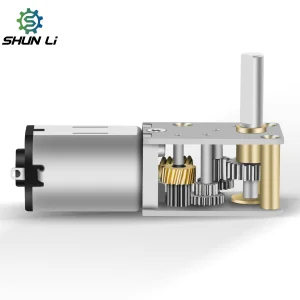
Cuyo Smart Appliances: Worm Gear Motor Right Home Appliance Wholesale Worm Gear Motor Factories
View Specifications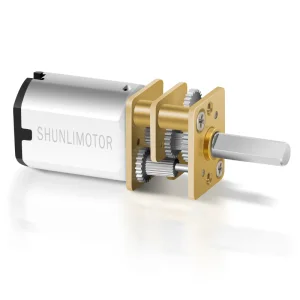
Santa Fe Irrigation Tech: Shunli Small 12MM OD Mental Gearbox N20 Micro Dc Geared Motor 1.5V 3V Micro Dc Gear Motor Low Speed 18RPM for Smart Water Valve
View Specifications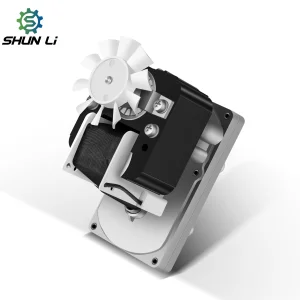
Argentina Food Service: Shunli Factory Single-Phas 10/40w 220v Shaded Pole Motor Flange Magnet High Torque for Oven
View Specifications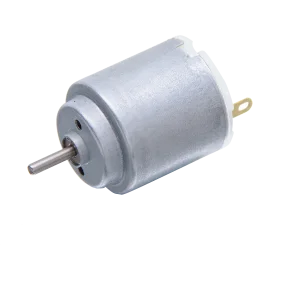
Buenos Aires Toy Exporters: Mini 1.5v 2.4v 3v Electric Dc Motor Shunli Motor Strong or Normal One for Option Permanent Magnet Carbon Brush or Metal Brush
View Specifications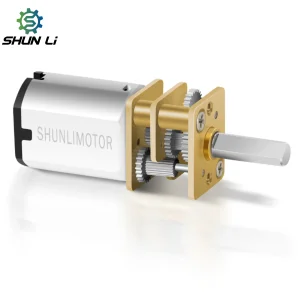
La Plata Smart Locking: N20 Micro Mini Full Metal DC Gear Motor DC 3V~6V 25RPM-50RPM DC5V 42RPM Slow Speed Engine for Robot Electronic Lock
View Specifications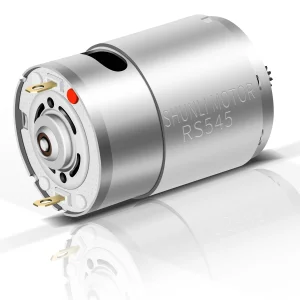
Tucuman Agriculture Pumps: High Quality 12v 24v 30w High Speed10000rpm Dc Motor for Drill Powered Pump
View Specifications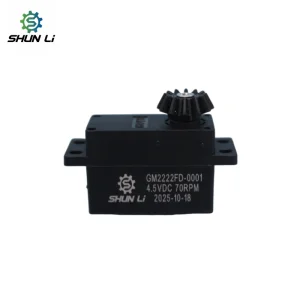
Rosario Smart Access: Shunli Custom Mini Battery Powered 3v 4.5v 70 Rpm Micro Geared Dc Electrical Gear Motors for Smart Lock Motor
View Specifications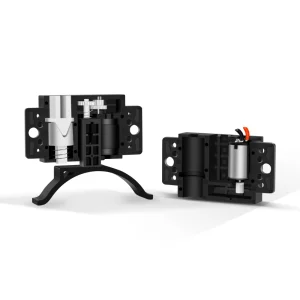
Cordoba Security Systems: Shunli Vibration Dc Gear Motor 3V 6V 12V 1.4-1.6A 65RPM 75RPM 85RPM Hight Torque Coin Dc Gear Motor for Smart Lock
View Specifications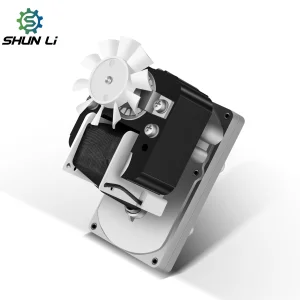
Buenos Aires Commercial Kitchens: Factory Single-phase 220v Small Ac Pole Electric Motor Speed Control 1 hp for BBQ
View Specifications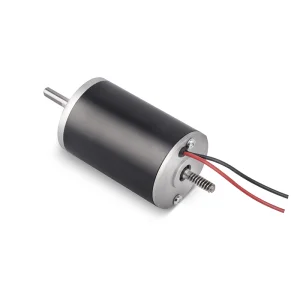
Salta Heavy Automation: 63mm High Torque Permanent Magnet Brushed Dc Motor 12V 24V 36V 40V 48V DC Motors
View Specifications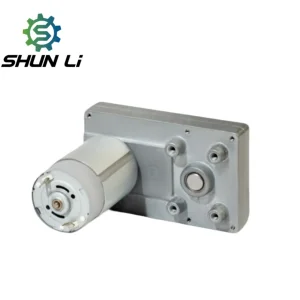
Patagonia Automated Cleaners: Worm Shaft 12v 24v 100mm Tetrix Dc Electric Geared Motor for Robot Vacuum Cleaner
View Specifications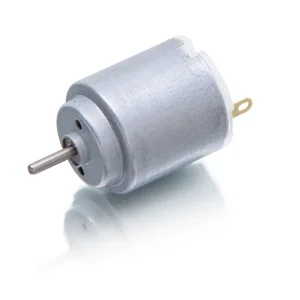
Argentina Clinical Equipment: Low Cost 3v 6v Small Dc Motor for Medical Equipment and Mini Toys
View SpecificationsFuture-Proofing Argentina's Motion Control Infrastructure
Technology pathways for planetary gear motors to support local efficiency requirements.
1. The Transition to High-Efficiency Brushless Solutions (BLDC)
In the global and Argentine motor markets, demand is shifting toward Brushless DC (BLDC) planetary gear systems. Traditional carbon brush motors remain functional for intermittent cycles, but continuous automation setups—such as labeling machinery or constant-flow industrial pumps—benefit from the longer operational lifespan of brushless systems. BLDC planetary gear motors eliminate electrical brush friction and reduce electromagnetic interference (EMI), helping systems satisfy strict local and international electromagnetic compatibility requirements.
2. Material Science: Metal Gearing vs. Plastic Gearing
A key engineering decision for Argentine manufacturers is selecting between metal gears and high-density plastic gears (like POM or nylon). Metal planetary systems provide maximum load capacity and impact resistance, which are critical for heavy industrial use. For applications like domestic smart water valves or small medical dosing systems, hybrid gear designs—utilizing a plastic first-stage gear and metal final-stage gears—help reduce operating noise while keeping production costs low.
3. Precision Lubrication for Diverse Geographies
Argentina's geography spans tropical climates in the north to cold conditions in Patagonia, requiring careful selection of gear lubricants. Our gearboxes utilize synthetic lubricants designed to maintain viscosity across a wide temperature range (-40°C to +125°C), preventing grease breakdown in high-temperature applications or freezing in cold mining zones.
Technical & Logistics FAQ
Common questions from Argentine design engineers and procurement departments.
What is the standard delivery lead time to Buenos Aires Port or Ezeiza Airport?
For customized prototype batches, lead times typically run between 15 to 20 days. High-volume production runs range from 25 to 35 days, depending on mechanical configurations. Sea transit from Shenzhen or Ningbo to Buenos Aires takes approximately 40 to 45 days, while air freight is available for urgent, high-value components.
How do you verify motor quality and prevent failure in dusty agricultural environments?
Each motor batch is verified using our optical measuring systems, dynamometer load rigs, and vibration sensors. For agricultural equipment deployed in dry areas, we customize planetary motor housings with double radial shaft seals, heavy-duty grease, and O-ring casings to achieve up to IP67 protection ratings, helping prevent micro-particle ingress.
Can you provide custom gear ratios not listed in the standard brochures?
Yes. We utilize specialized gear hobbing and automated riveting machinery to produce custom reduction gears. Our engineering department can design custom gear configurations to provide the exact output speeds and torque requirements required for your local drive systems.
How do you assist with the import customs process in Argentina?
We supply detailed HS Codes (typically Chapter 8501 for electric motors), clean commercial invoices, packing lists, and certifiably traced raw material data sheets. These documents help local logistics agents clear shipments through Ezeiza or Buenos Aires customs under current SEDI import protocols.
Ready to Engineer Your Custom Motion Solution?
Contact our engineering support team for detailed CAD drawings, specification proposals, and volume pricing estimates tailored for the Argentine industrial market.
Send Inquiry Now