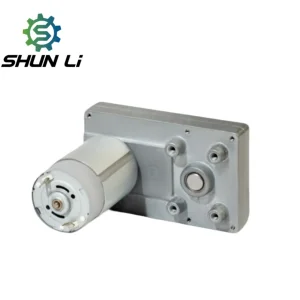
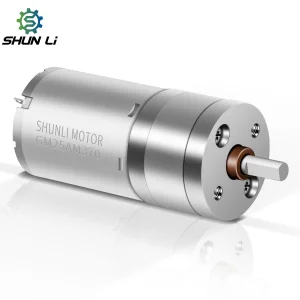
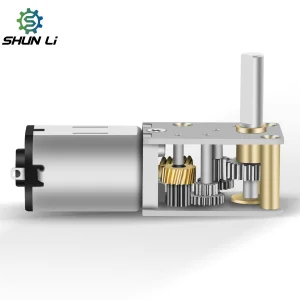
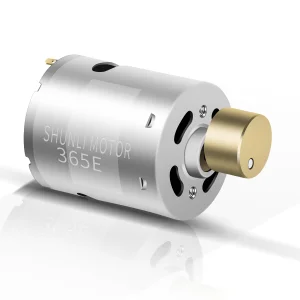
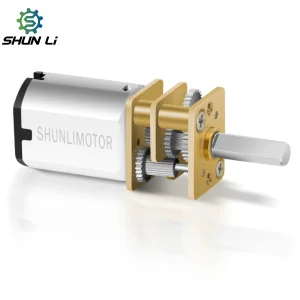
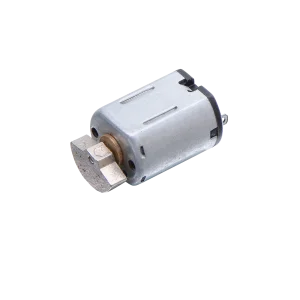
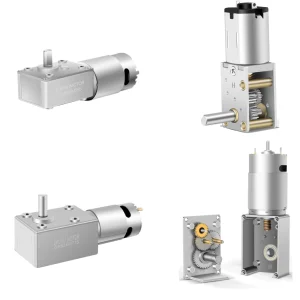
Featured Precision Drives & Reducers
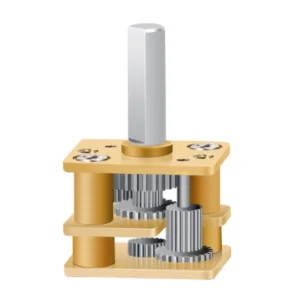
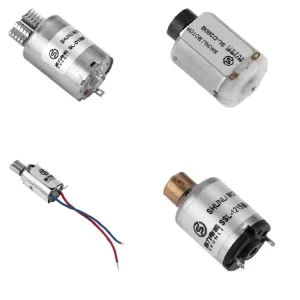
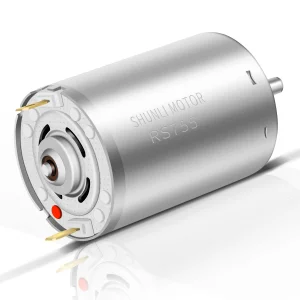
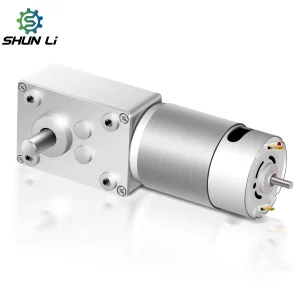
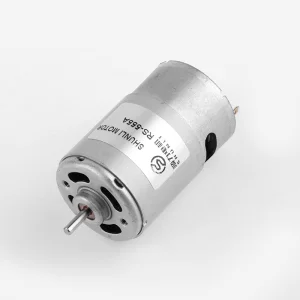
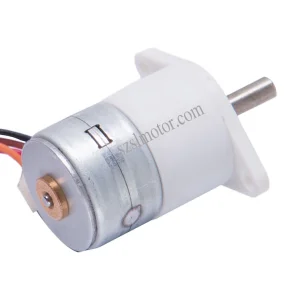
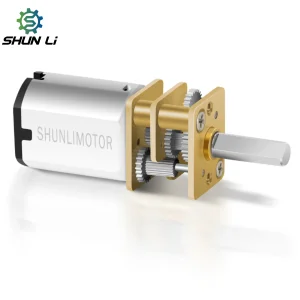
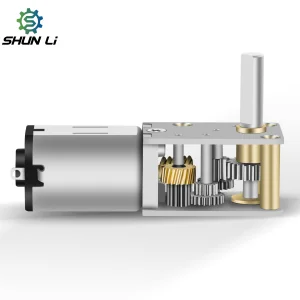
Direct-From-Source Engineering: Overcoming Supply Chain Vulnerabilities
Are middleman markups, fragmented communication, and inconsistent batch quality undermining your global motion control pipelines? ApexMicro provides a highly optimized engineering and manufacturing infrastructure that transitions projects directly from design floor to production lines.
As a dedicated OEM/ODM Permanent Magnet Motor Factory & Exporter, we align our engineering teams directly with your technical personnel. We remove the layers of trading companies to deliver transparent raw material sourcing, validated testing regimes, and structural price advantages. By controlling the entire design and manufacturing cycles in-house, we eliminate the blind spots that often lead to mechanical failure, electrical drift, and delayed system integration.
The ApexMicro Pillars of Trust:
Permanent Magnet Synchronous Motors (PMSM) vs. Brushless DC (BLDC)
Modern industrial applications increasingly require maximum efficiency, compact physical form factors, and refined thermal profiles. In this context, selecting the proper permanent magnet motor configuration is critical. Both Brushless DC (BLDC) and Permanent Magnet Synchronous Motors (PMSM) rely on high-grade rare-earth magnets (such as Neodymium Iron Boron, or NdFeB) to construct the rotor field. However, their stator winding geometries and drive control schemes differ considerably.
Brushless DC (BLDC) Motors are typically designed with concentrated stator windings that generate a trapezoidal back-electromotive force (back-EMF). They are driven via six-step commutation sequences (block commutation), utilizing relatively simple hall-effect sensor inputs. This design is highly effective for applications prioritizing high starting torque, simple control hardware, and cost efficiency, such as power tools, vacuum fans, and consumer electronics.
Conversely, Permanent Magnet Synchronous Motors (PMSM) utilize distributed stator windings to produce a sinusoidal back-EMF waveform. Driving a PMSM requires Field Oriented Control (FOC), also known as vector control, which continuously monitors rotor position via high-resolution encoders or advanced sensorless estimation algorithms. The result is continuous, smooth torque delivery, virtually zero torque ripple, and significantly quieter operation. Applications like medical pumps, high-precision robotic joints, and electric automotive drivetrains rely heavily on PMSM configurations to satisfy strict thermal management and dynamic positioning requirements.
Technical Focus: Why NdFeB Coercivity Matters. Our custom permanent magnet rotors leverage NdFeB magnets with high coercivity ratings (SH, UH, and EH classes). This prevents demagnetization under continuous thermal stress, securing long-term operational stability in harsh operating environments.
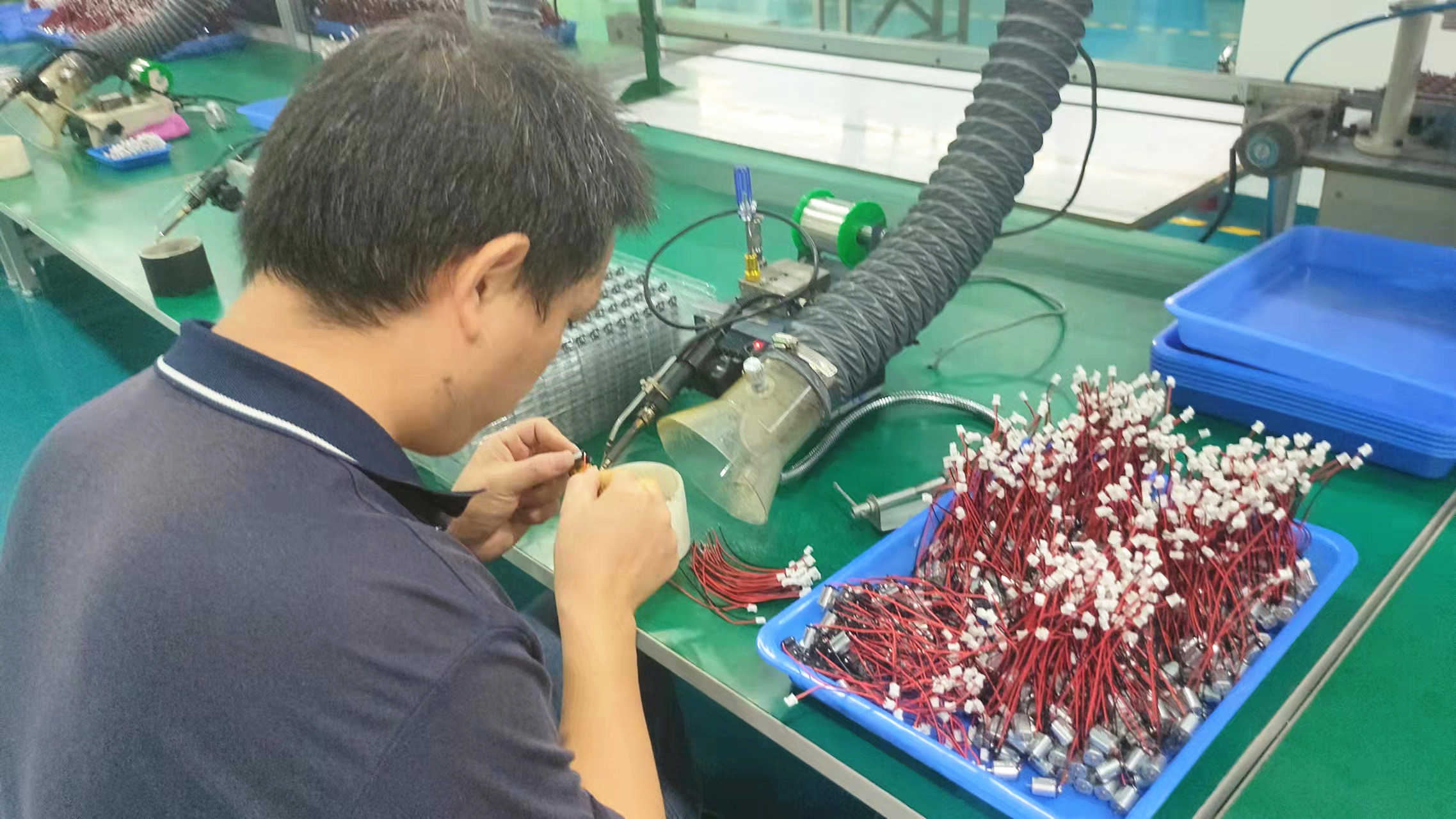
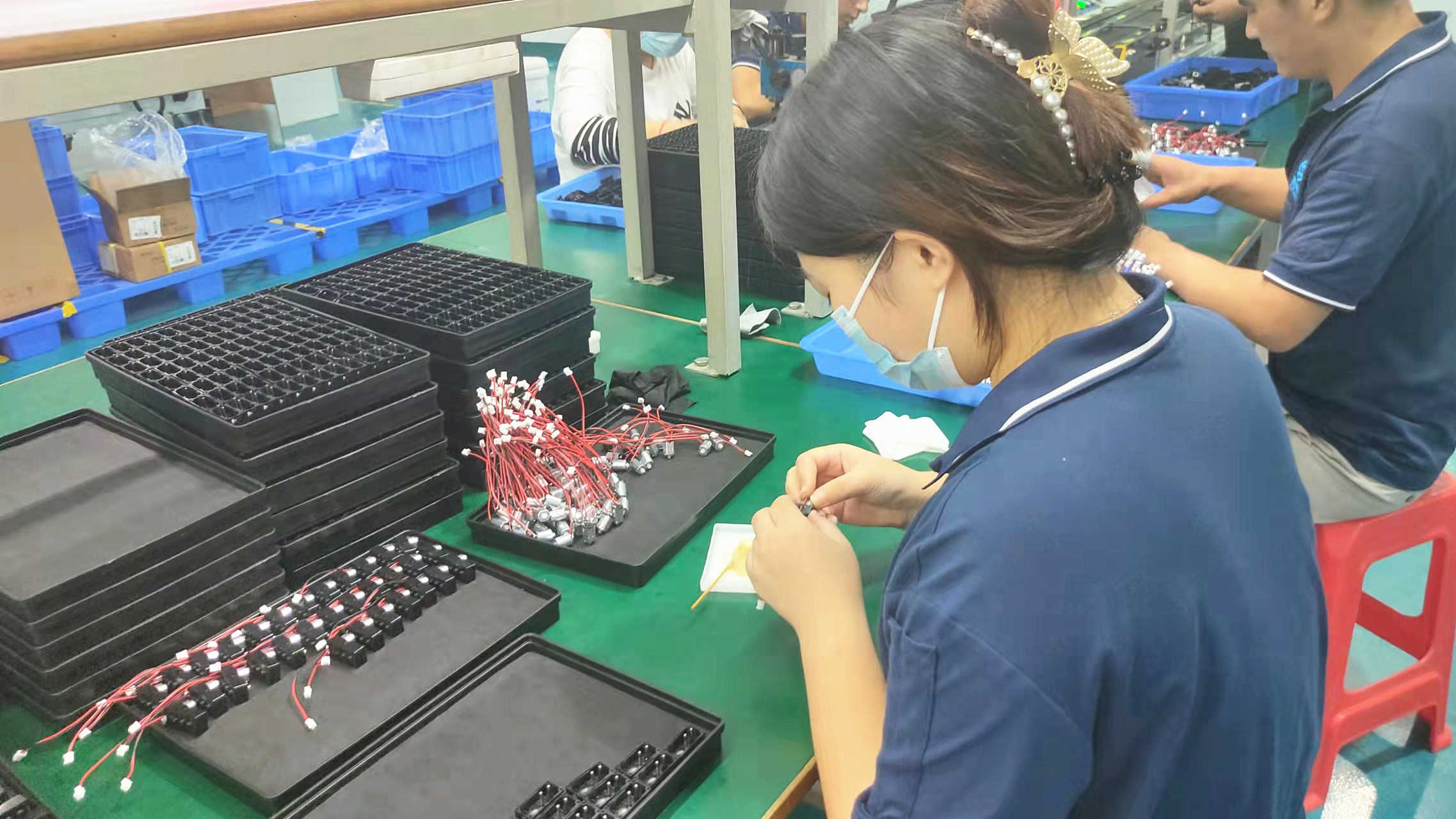
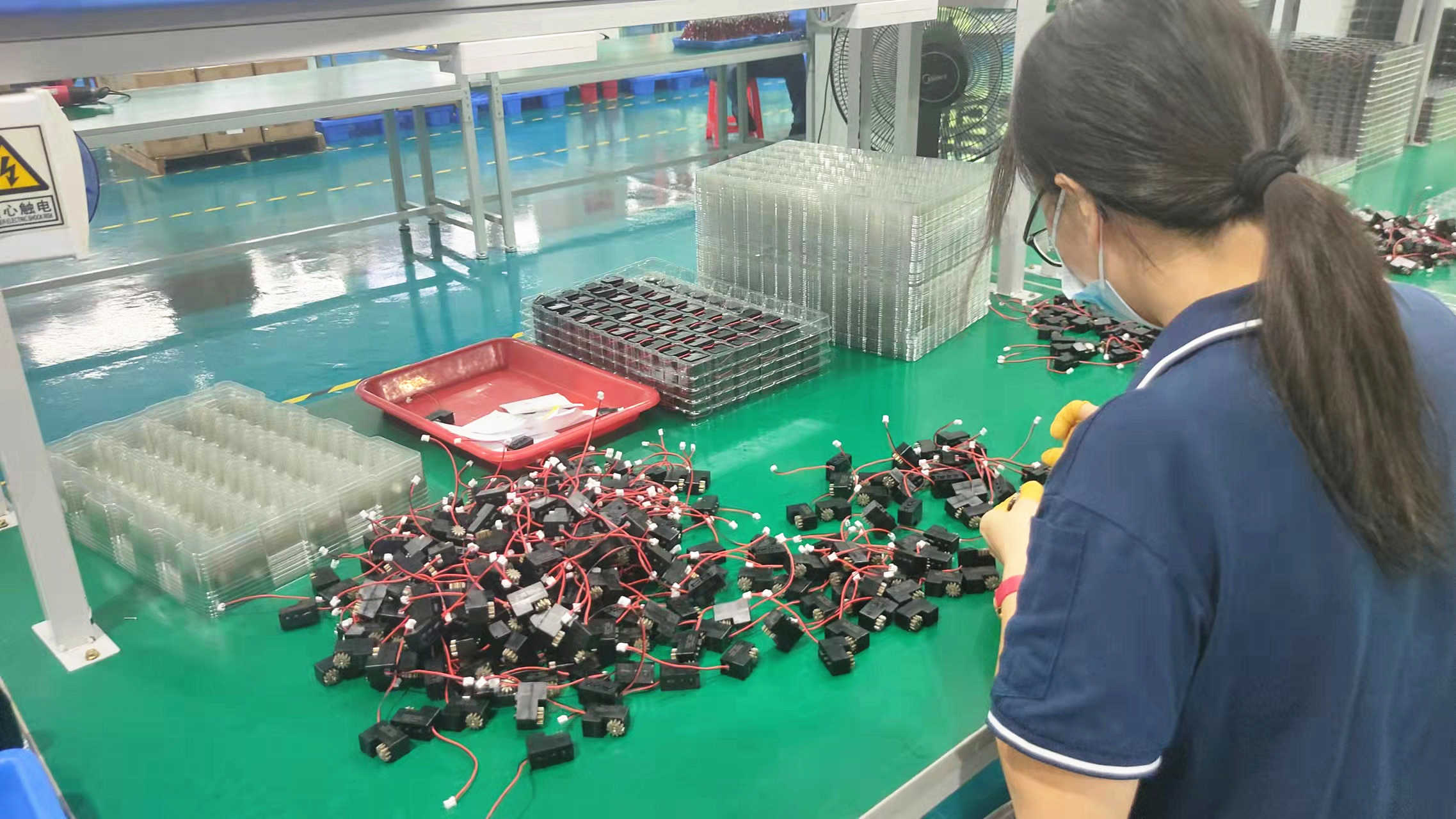
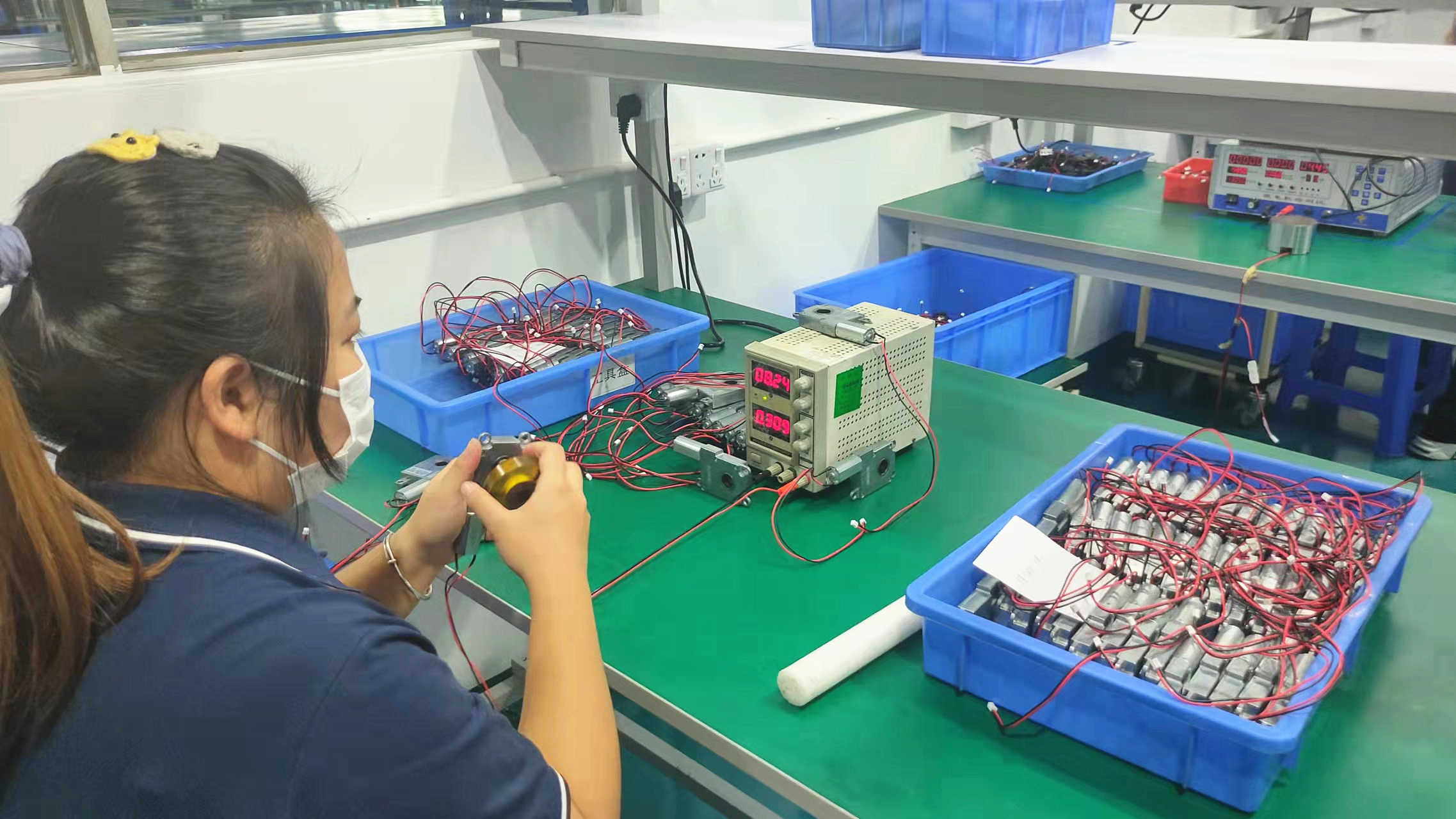
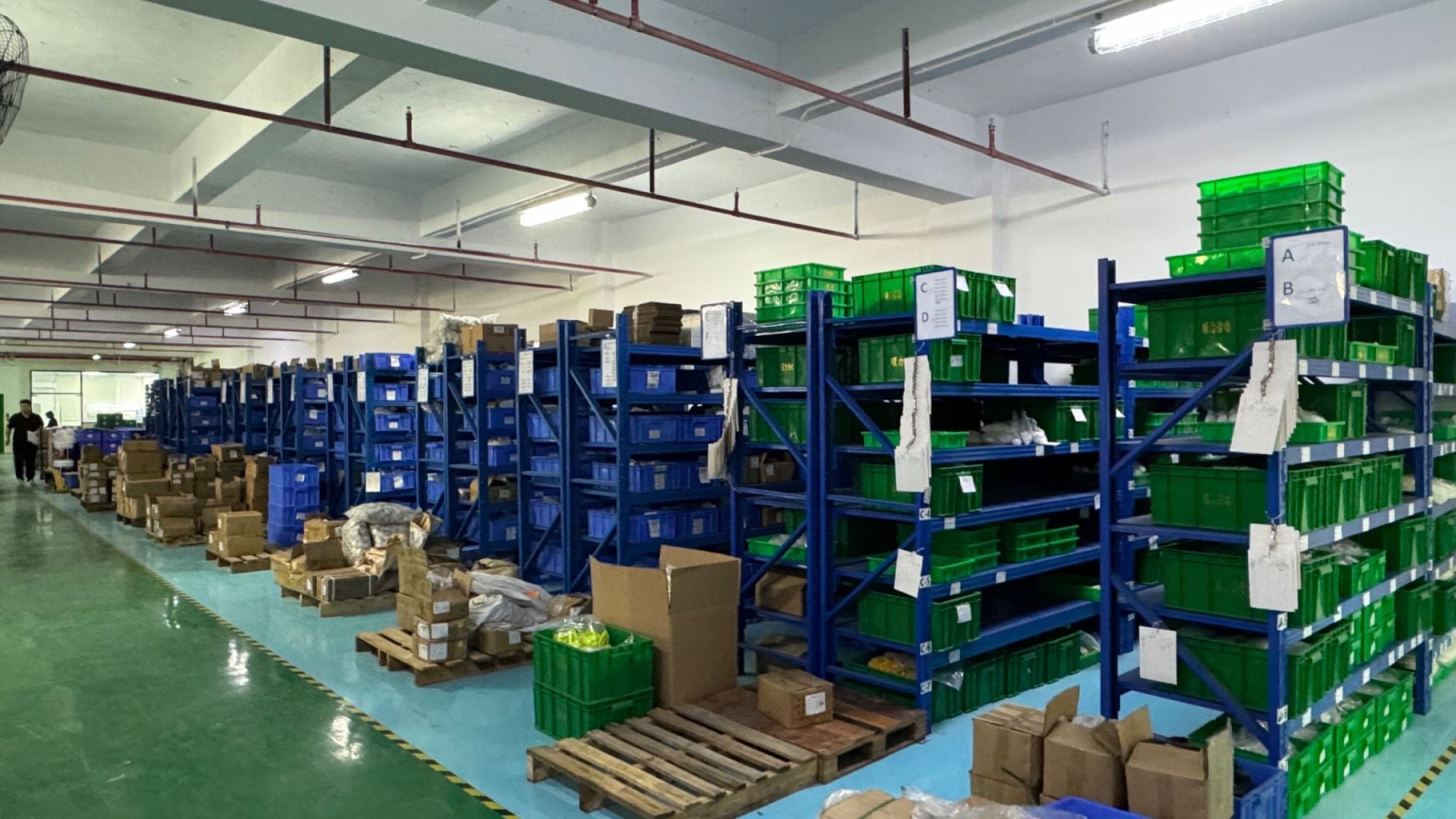
Industrial Manufacturing Process: From Raw Material to Storage
We oversee every production step inside our own manufacturing facility. This ensures complete traceability and consistent quality across all production batches.

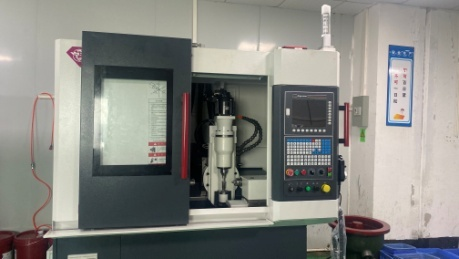
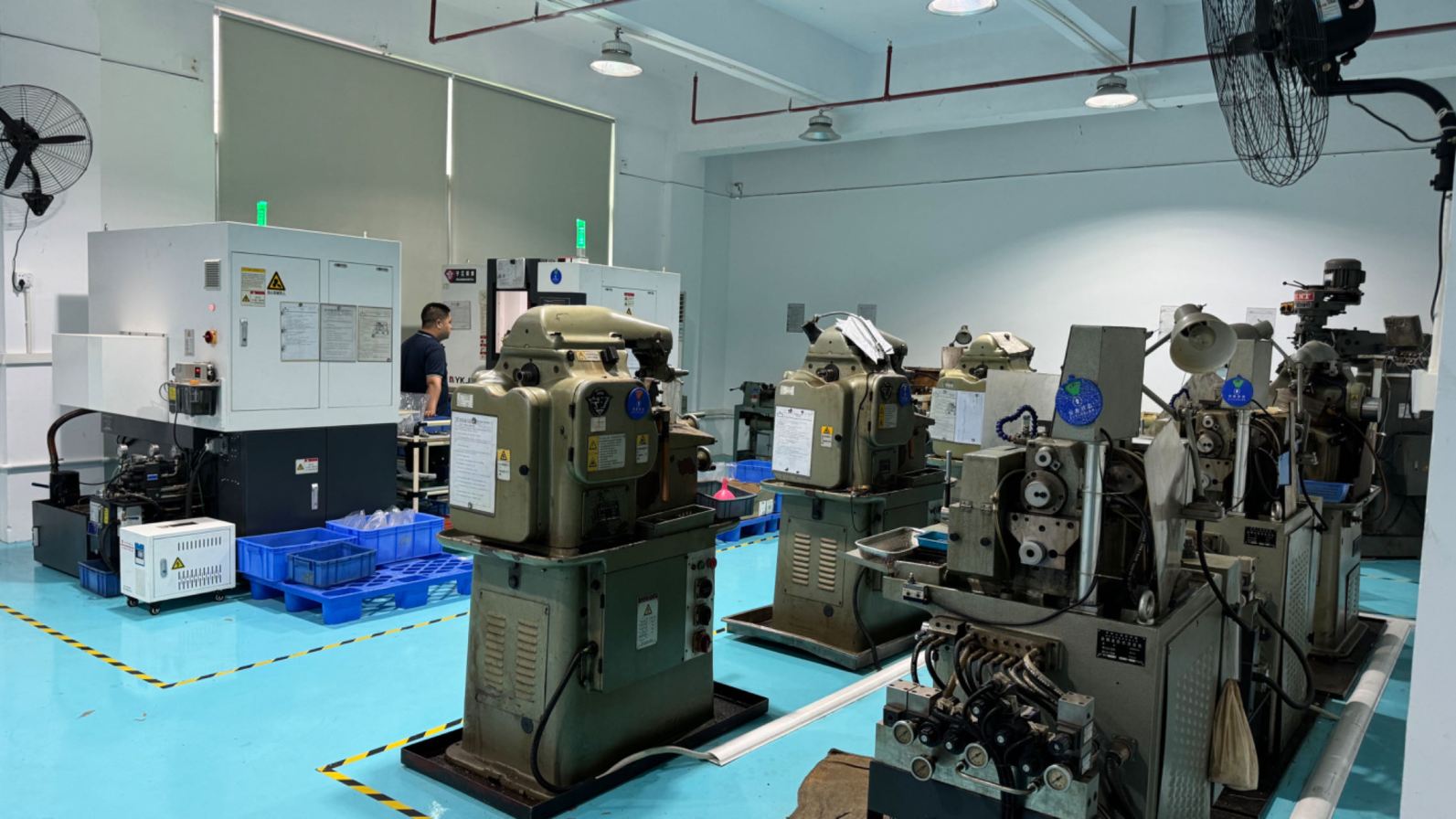
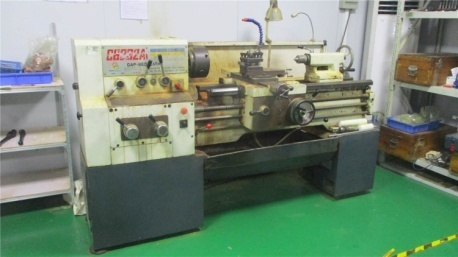
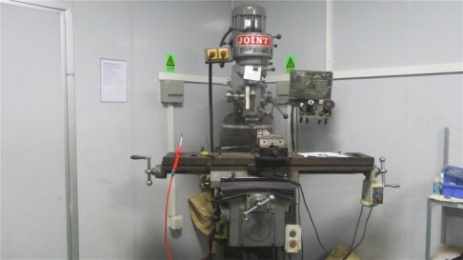
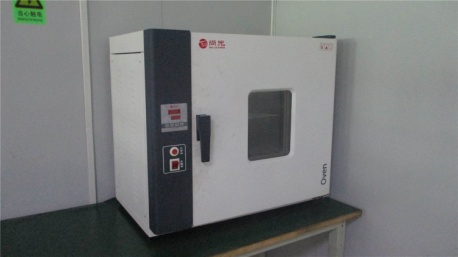
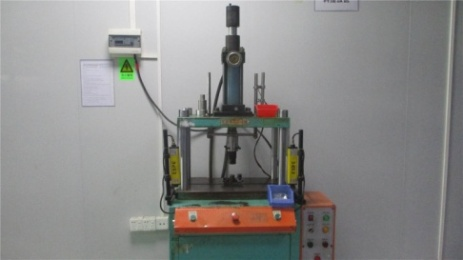
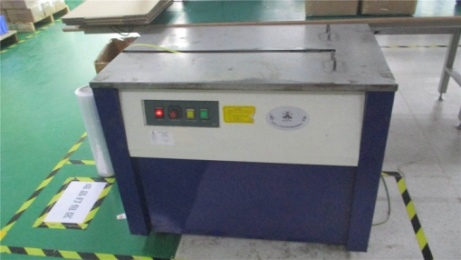
Machinery Showcase: Advanced Fabrication Facilities
High efficiency permanent magnet motors require exceptional mechanical tolerances. We operate a fleet of high-precision machine tools to achieve precise gear tooth profiles, concentric motor housings, and balanced shaft configurations.
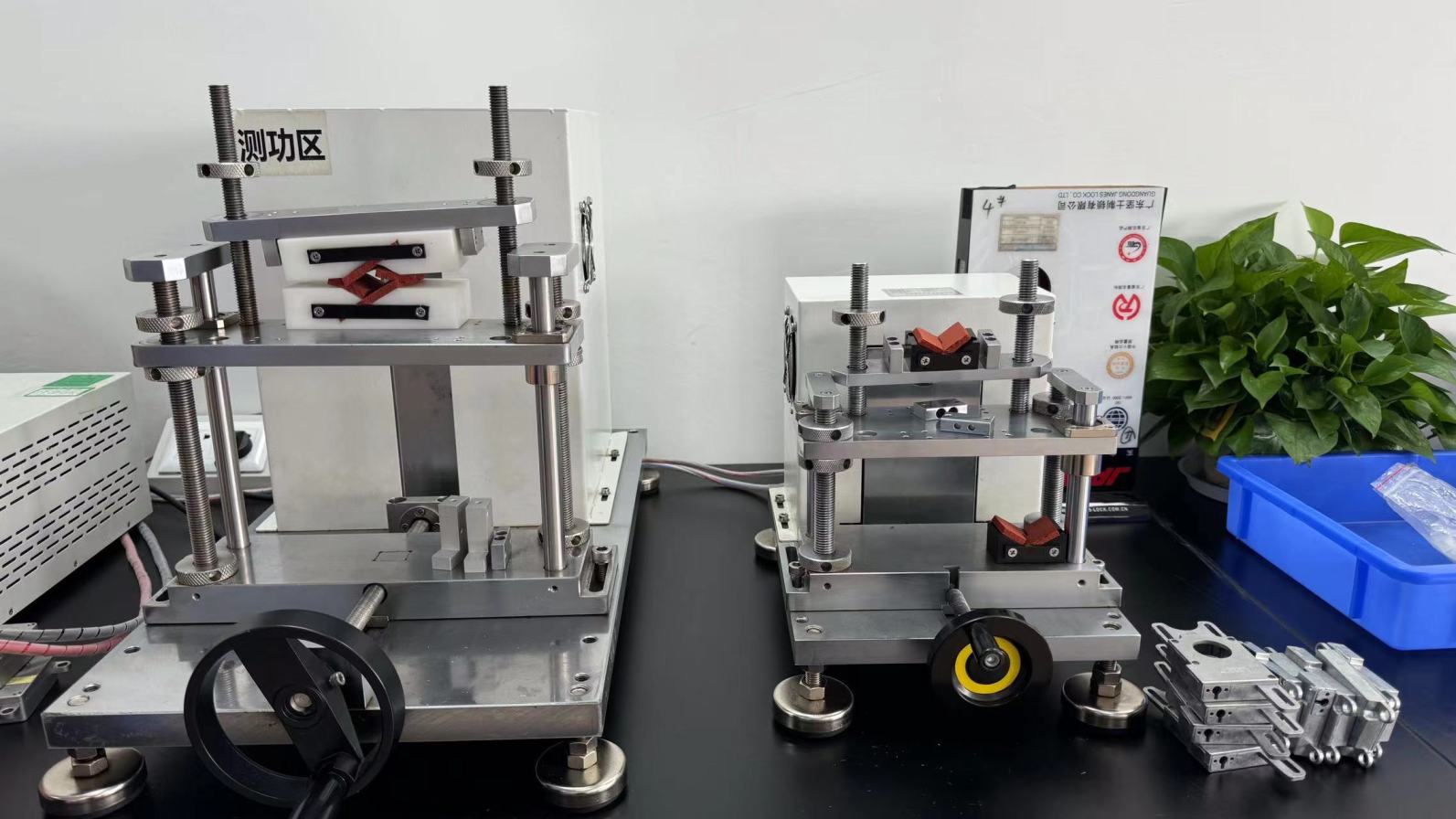
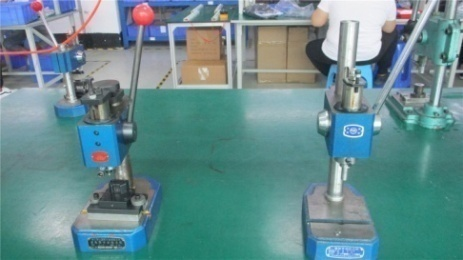
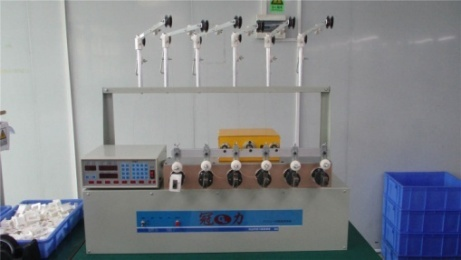
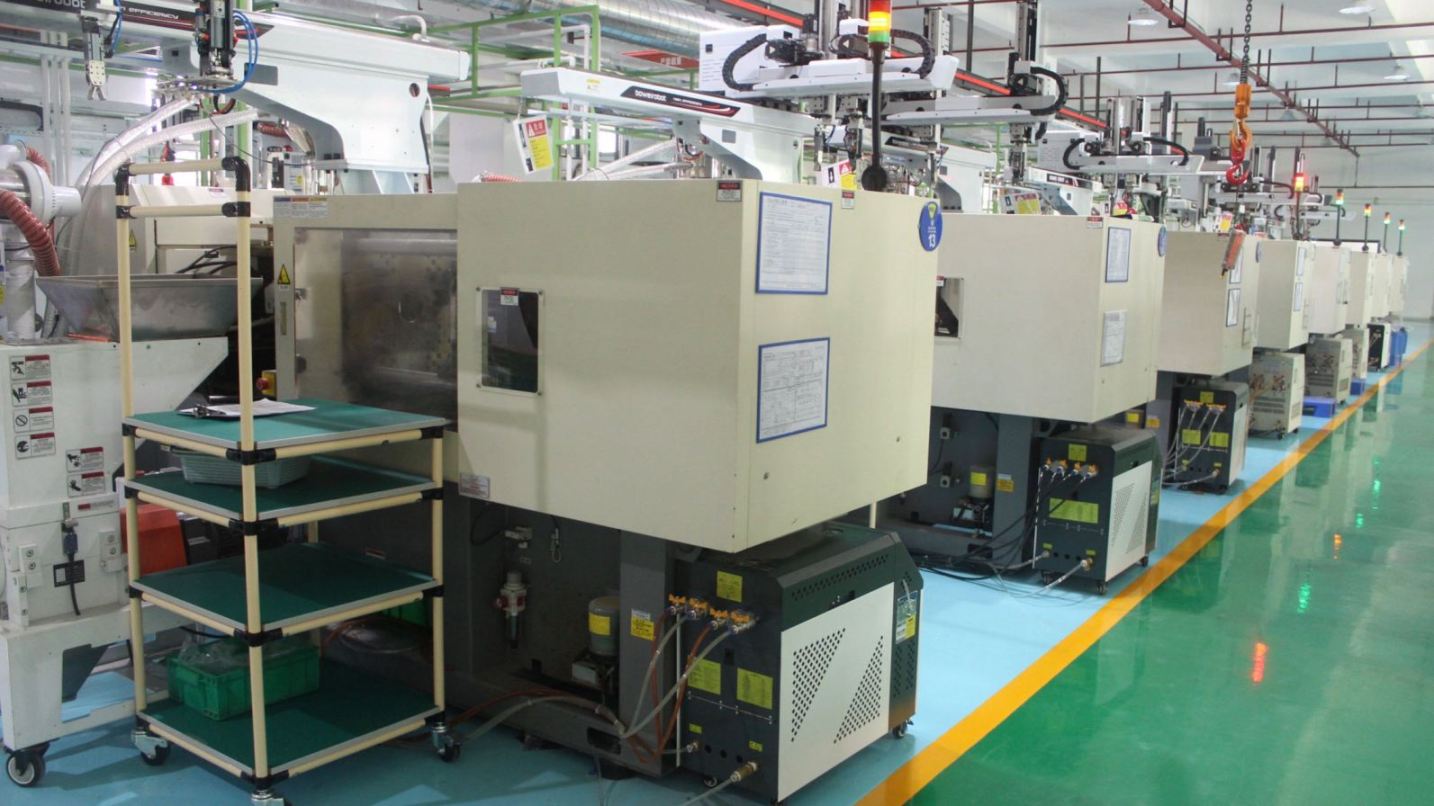
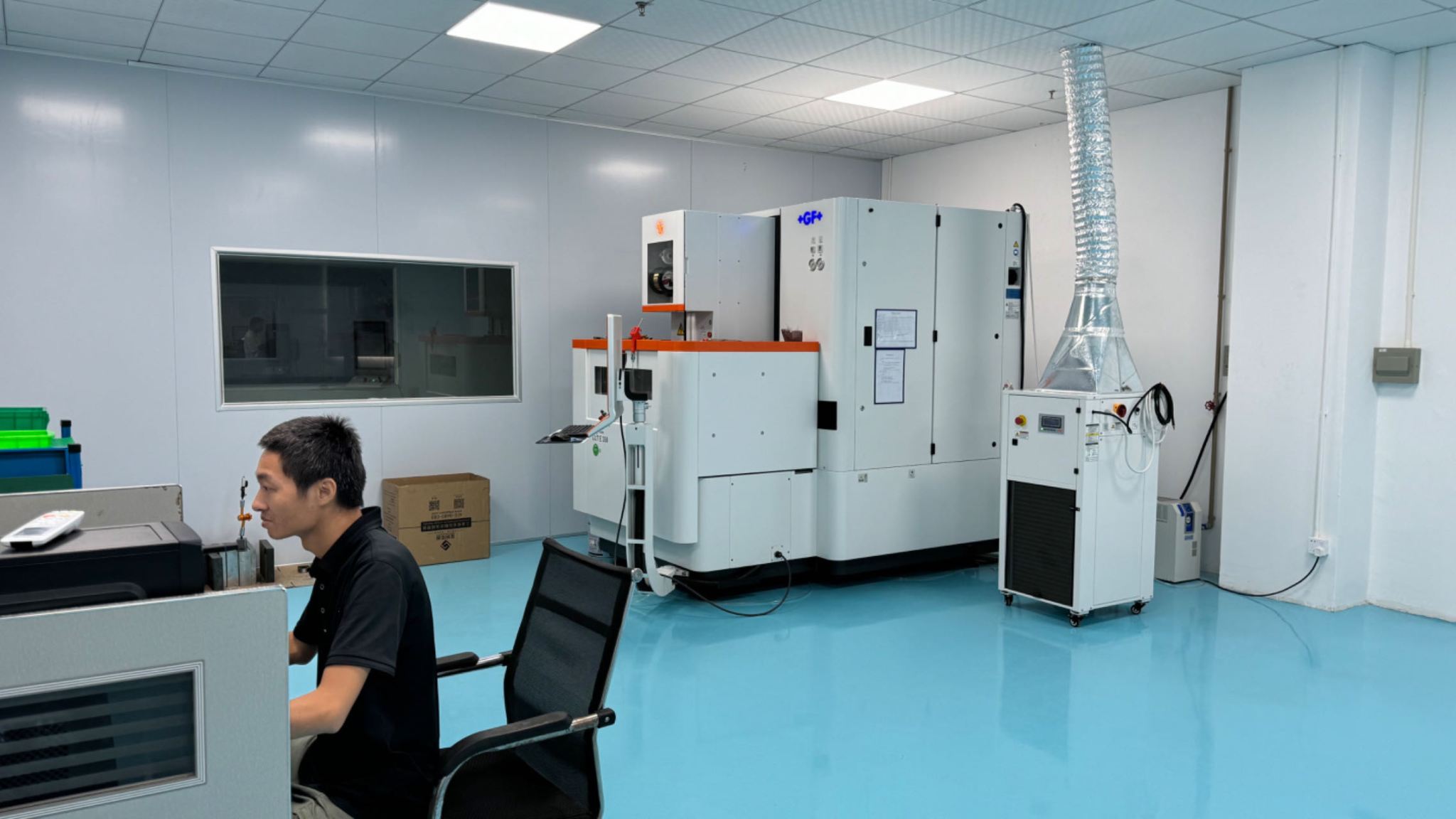
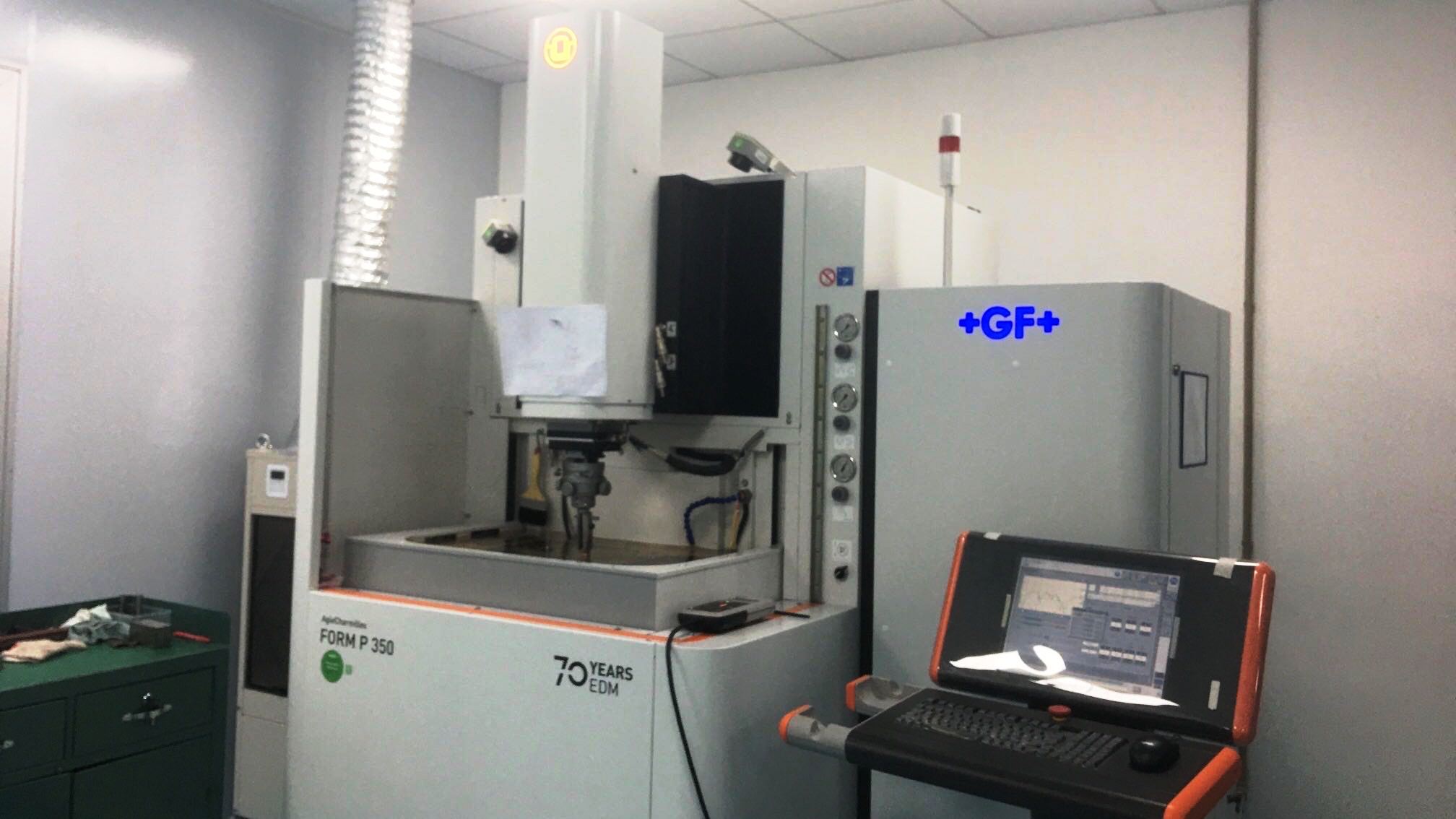
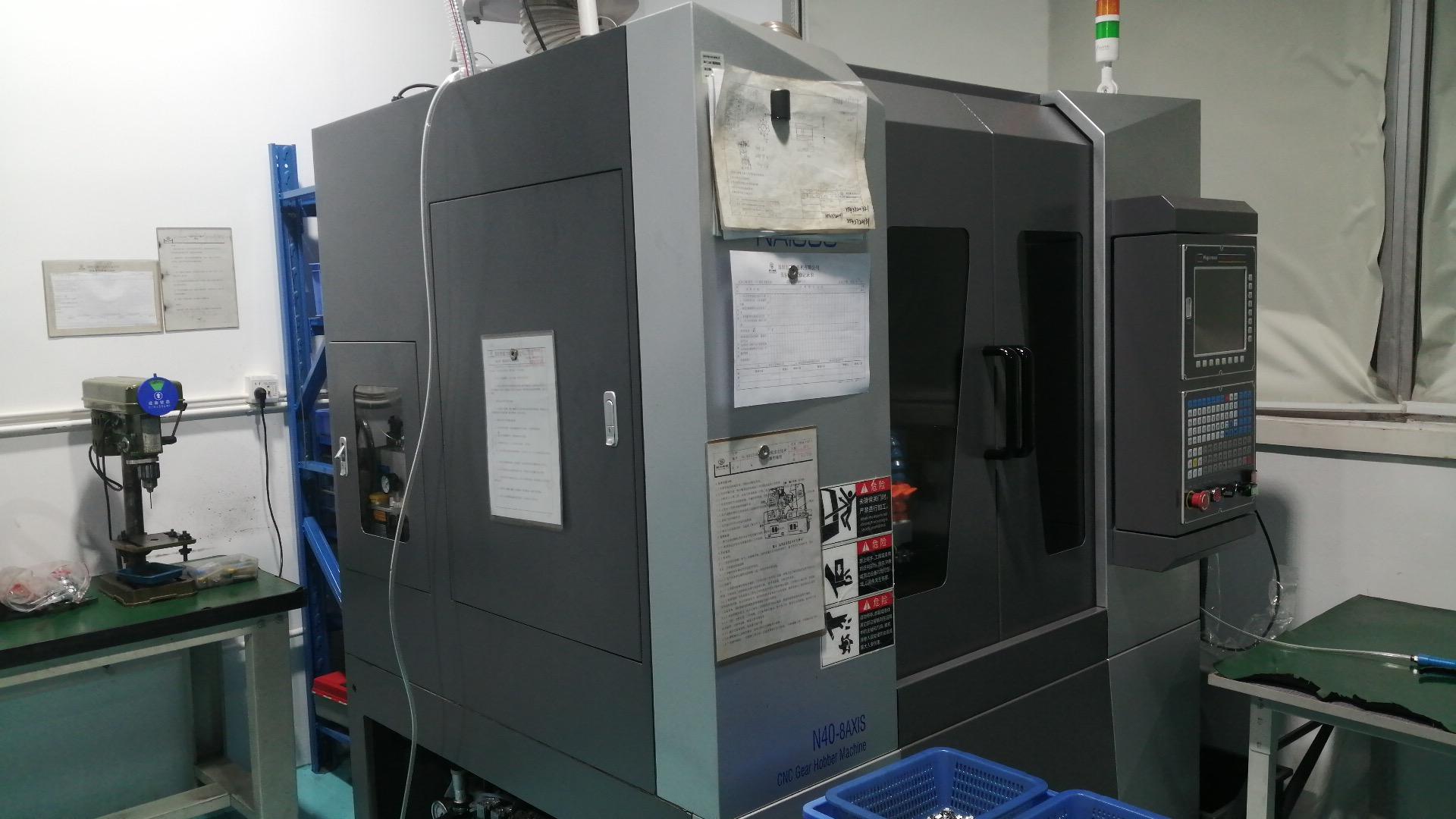
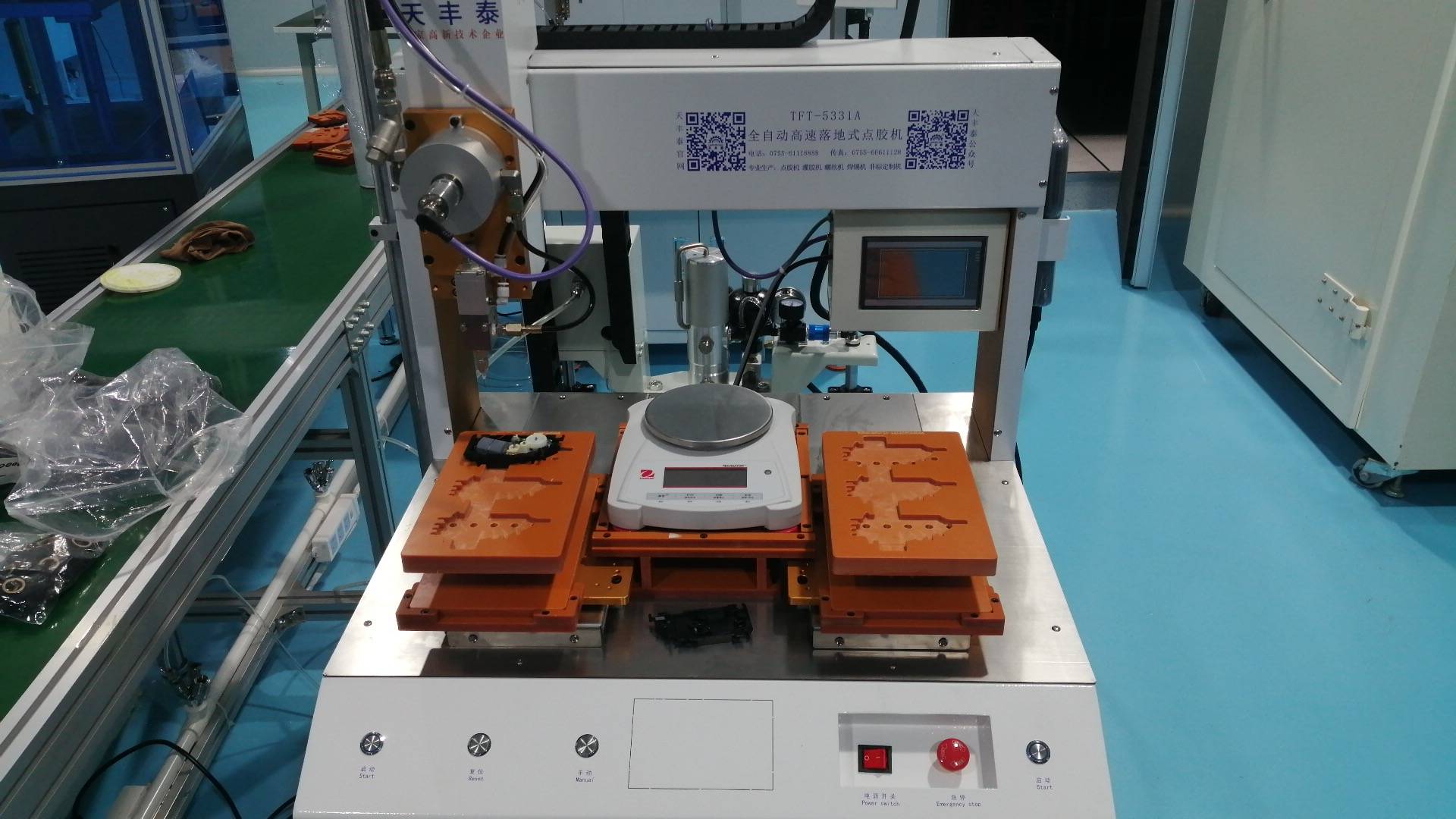
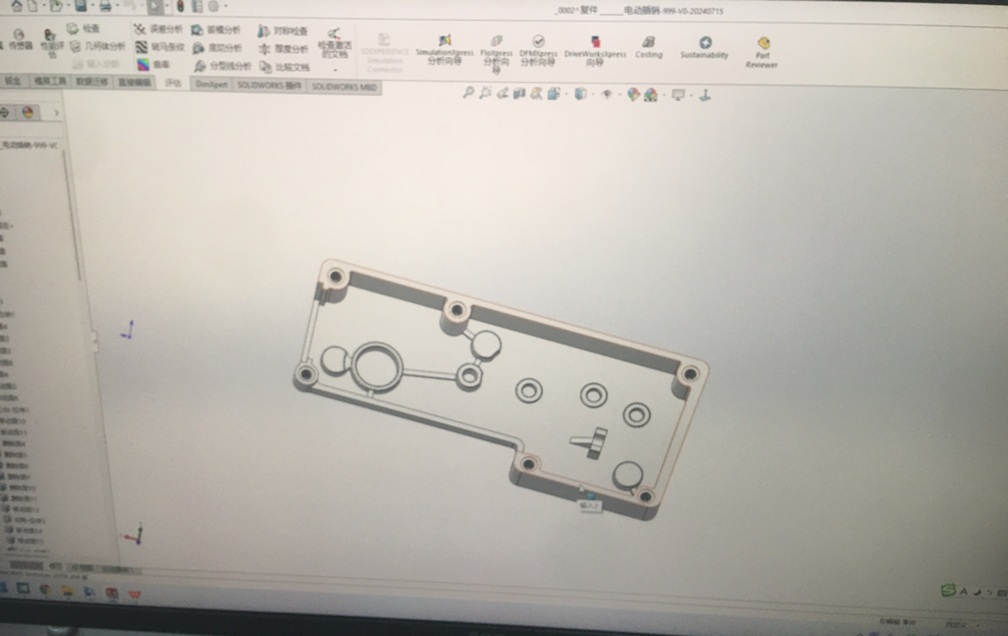
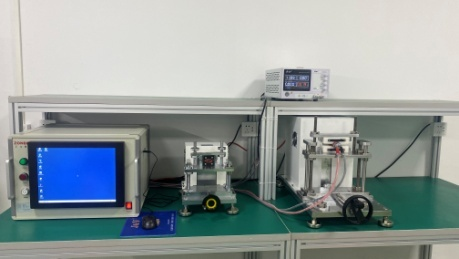
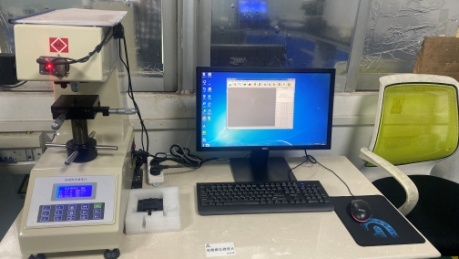
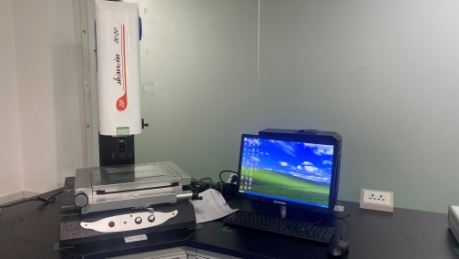
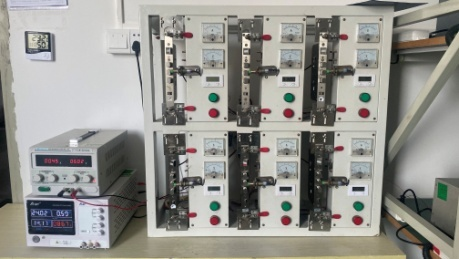
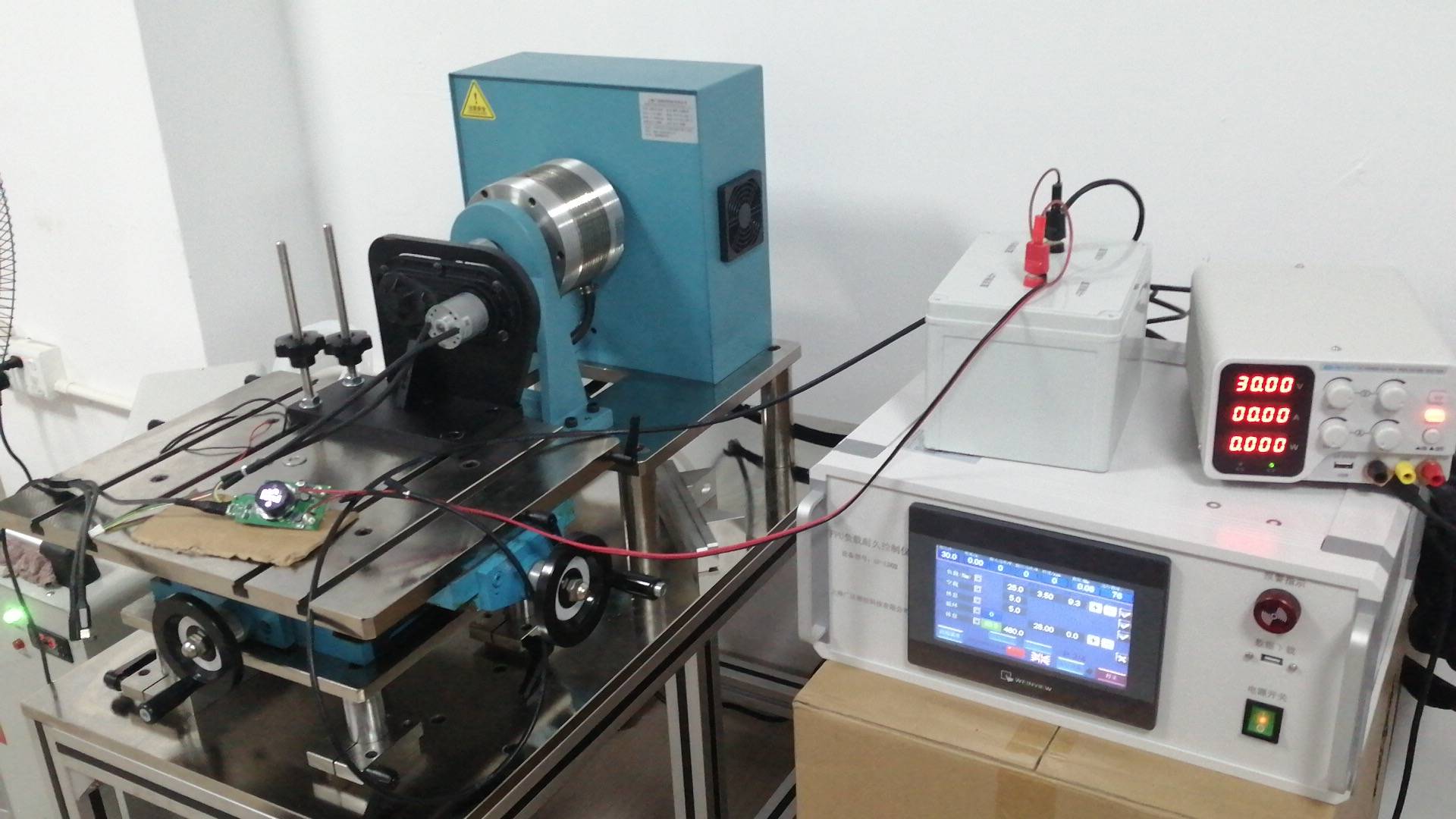
QC Metrology & Testing Laboratory
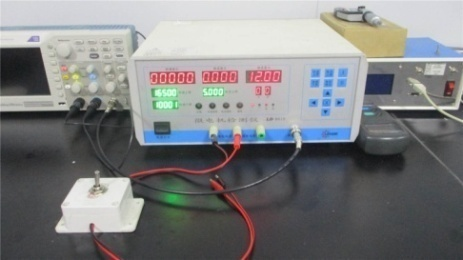
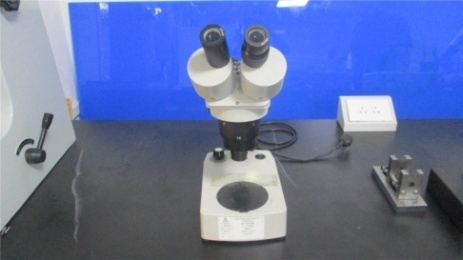
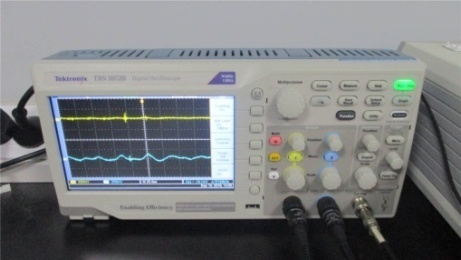
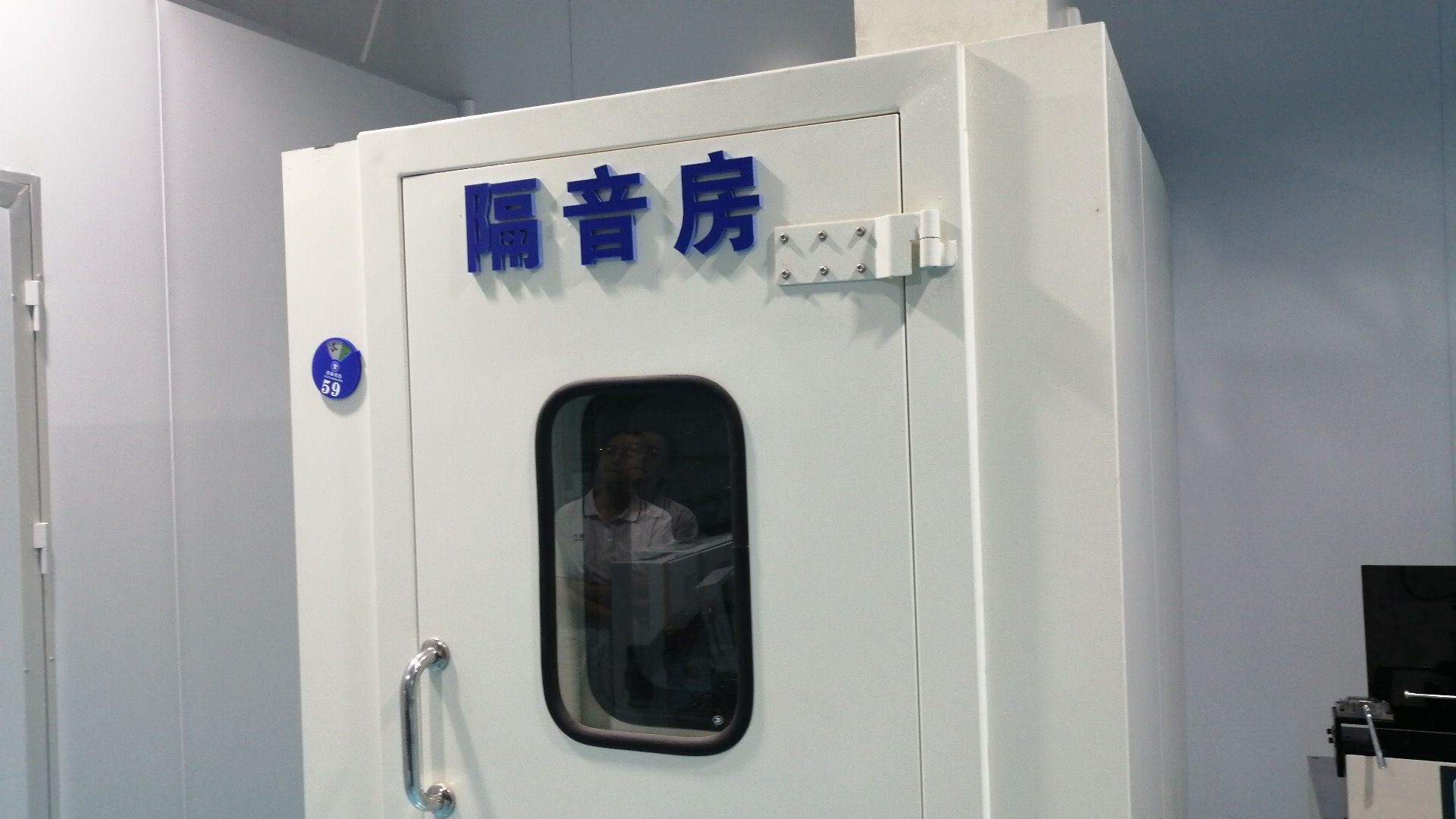
Our validation facility is equipped with dedicated instrumentation to test motor performance, verify environmental limits, and inspect mechanical tolerances.
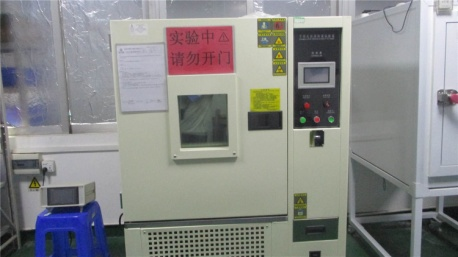
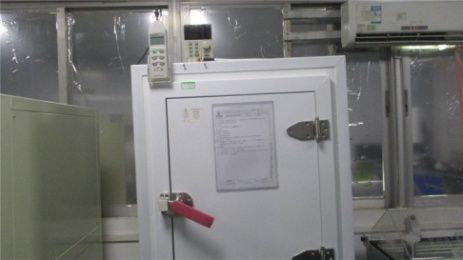
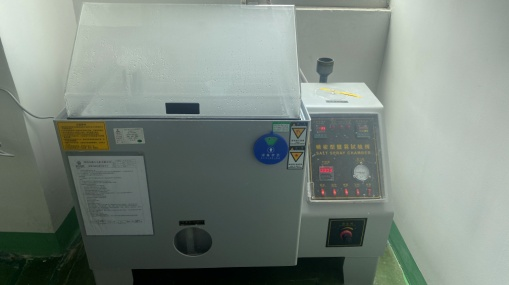
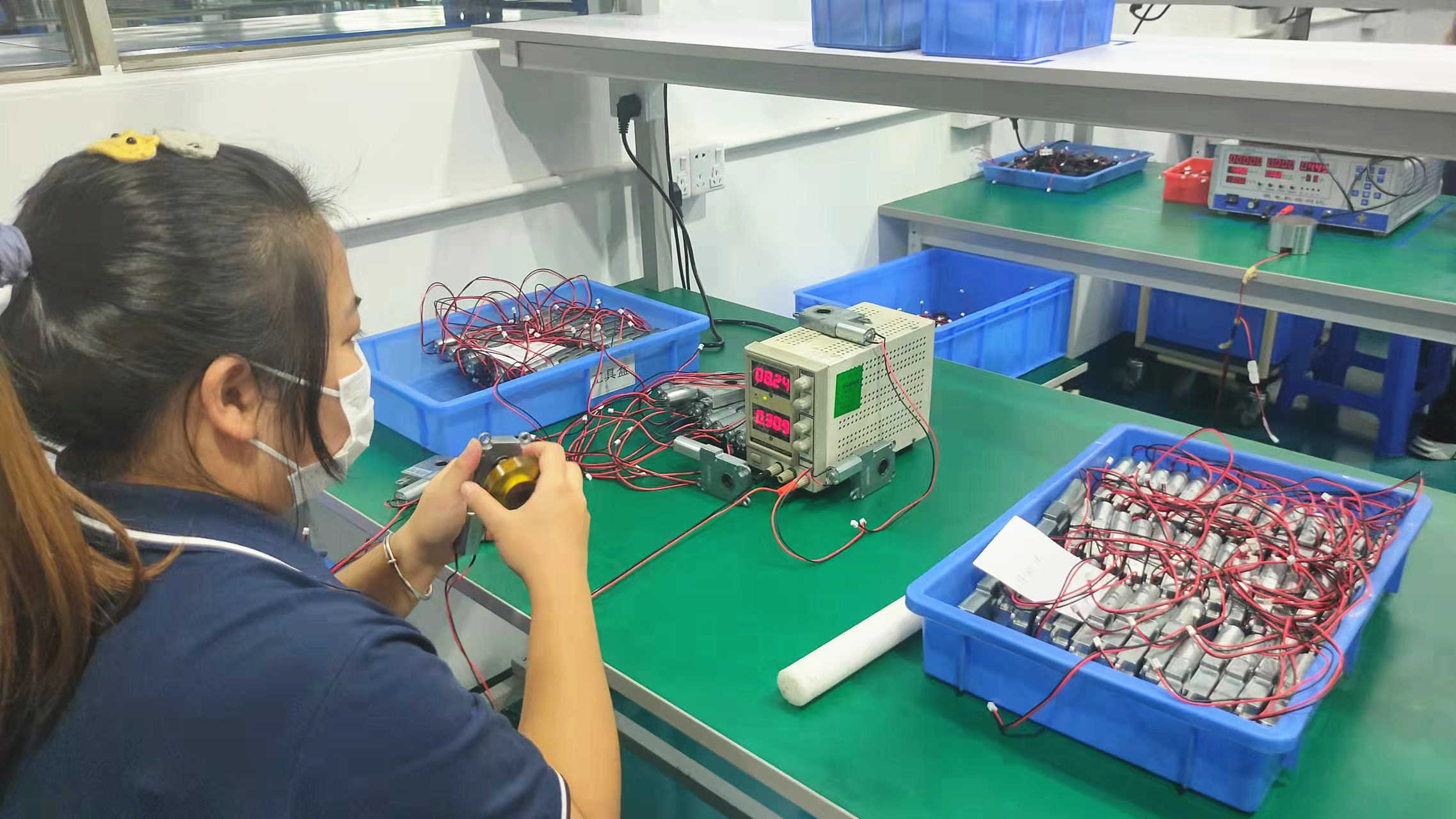
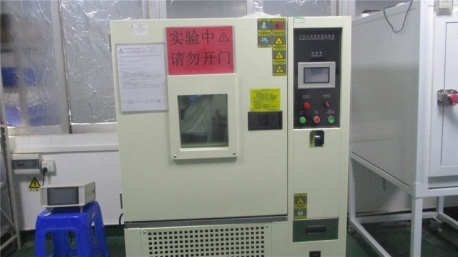
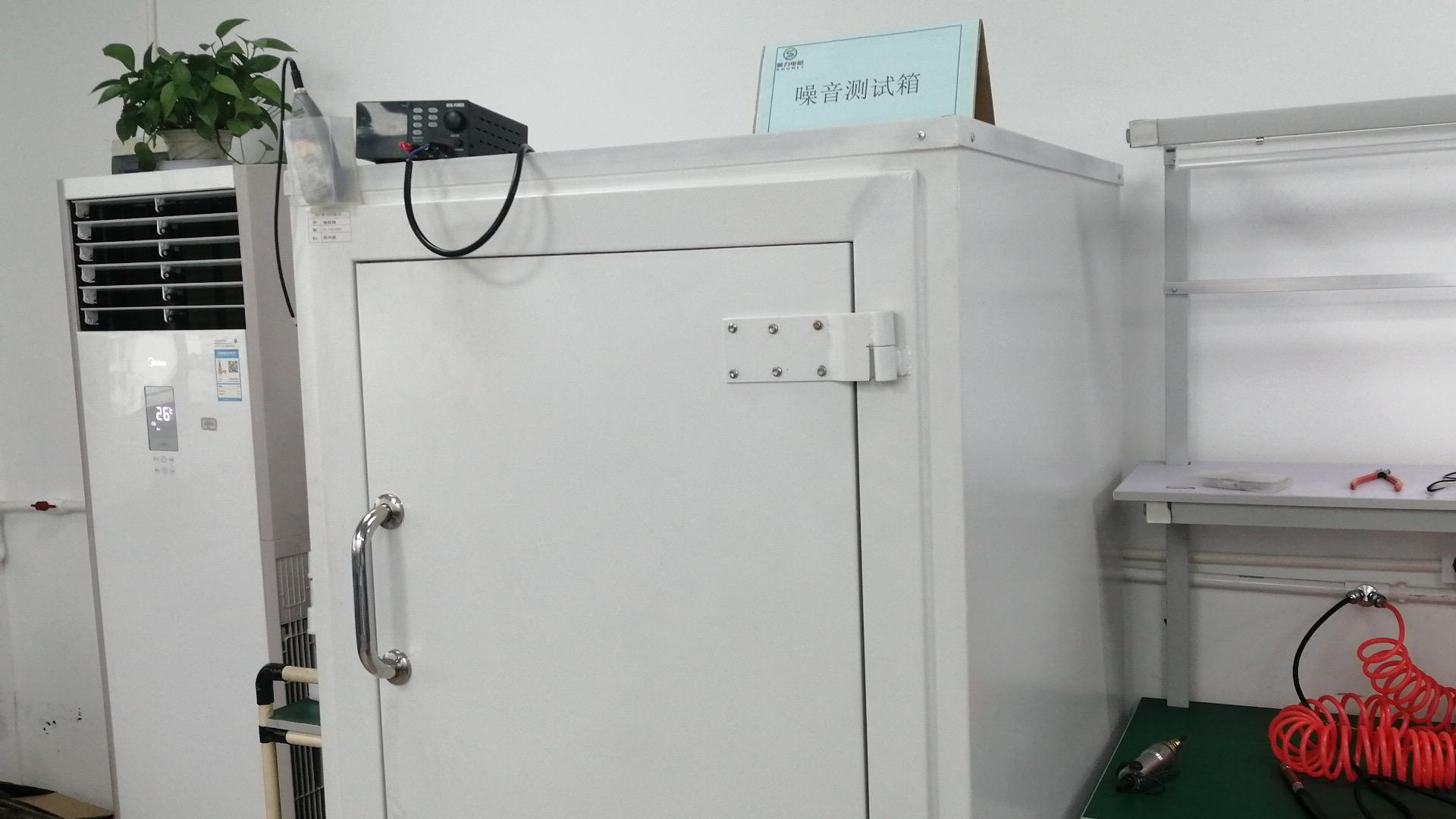
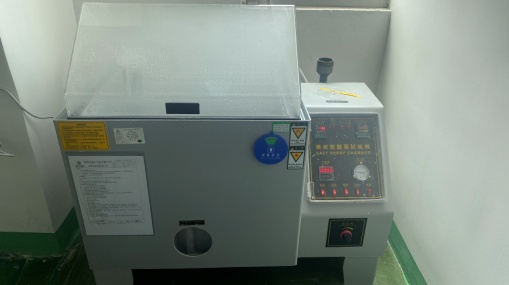
Localization Support, Strategic Supply Chains, and Global Compliance
B2B sourcing strategies require a balance of regional technical support and cost-effective manufacturing hubs. ApexMicro operates at the intersection of these two needs. Our factory is located in a major Chinese industrial zone, giving us direct access to high-grade rare-earth magnets, precision tooling centers, and established logistics networks. This localized supply chain allows us to stabilize material costs and maintain steady production schedules, even during periods of global supply chain volatility.
To serve international markets, we maintain a dedicated global compliance team. Our production processes conform to ISO9001 quality systems, and our motors comply with CE, RoHS, and REACH requirements. This documentation simplifies regulatory approval for clients integrating our components into medical devices, industrial automation, or consumer goods.
Evolving Trends in Permanent Magnet Motors
The micro motor sector is trending toward higher power density and integrated electronic control. Modern designs require motors that fit into tighter spaces while delivering higher torque output. We address these requirements by refining stator slot fill ratios, using high-performance NdFeB magnets, and designing compact planetary, worm, and spur gear reducers. Additionally, we offer integrated magnetic and optical encoders to support the transition toward closed-loop motion control in smart manufacturing and robotics.
Technical Sourcing Q&A: Key Considerations for Procurement Engineers
Addressing essential technical and logistical parameters to streamline B2B procurement and engineering development.
1. What is the standard tooling lead time for custom shaft or gearbox configurations?
For minor mechanical modifications, such as customized D-cut shafts, cross-holes, or specific lead wire terminals, prototyping lead times typically range from 10 to 15 business days. When your design requires custom gearbox ratios or specialized housings that necessitate new injection molds or hobbing tools, the complete tooling cycle and sample delivery is accomplished in 25 to 35 days.
2. How does ApexMicro manage thermal performance and magnet demagnetization under heavy load?
Our design team calculates stator thermal dissipation profiles using finite element analysis (FEA). We use NdFeB permanent magnets rated for high thermal tolerance (SH, UH, or EH classes, depending on the application), which resist demagnetization at temperatures up to 150°C or 180°C. Stator windings are treated with Class H or Class F insulation resin to prevent electrical failure under continuous duty cycles.
3. Can you match encoders to micro geared motors, and what resolutions are supported?
Yes. We install dual-channel magnetic Hall-effect encoders or optical reflective encoders directly onto the motor's rear shaft extension. Magnetic encoders generally provide resolutions of 3 to 12 pulses per revolution (PPR) per channel. For higher precision feedback, we customize optical encoder assemblies that deliver over 1024 PPR, supporting precise closed-loop speed and position control.
4. What quality control protocols are applied to high-volume production batches?
We conduct 100% in-line inspections for winding resistance, dielectric insulation, and no-load current. Completed batches undergo automated dynamic loading and torque checks using dynamometers. Our metrology lab also performs salt-spray testing, thermal cycling, and acoustic analysis in soundproof chambers to ensure that every shipment meets specified noise, efficiency, and durability tolerances.
5. How does ApexMicro help international buyers manage compliance and certification barriers?
We provide comprehensive documentation, including material safety data sheets (MSDS) for magnetic components, RoHS declaration letters, and REACH declarations of conformity. Our factory operates under ISO9001:2015 standards, and we can coordinate with third-party testing agencies (like SGS or TÜV) to obtain UL or CSA certifications for projects with specific market entry requirements.
Custom OEM/ODM Micro Drives & Coreless Motors